
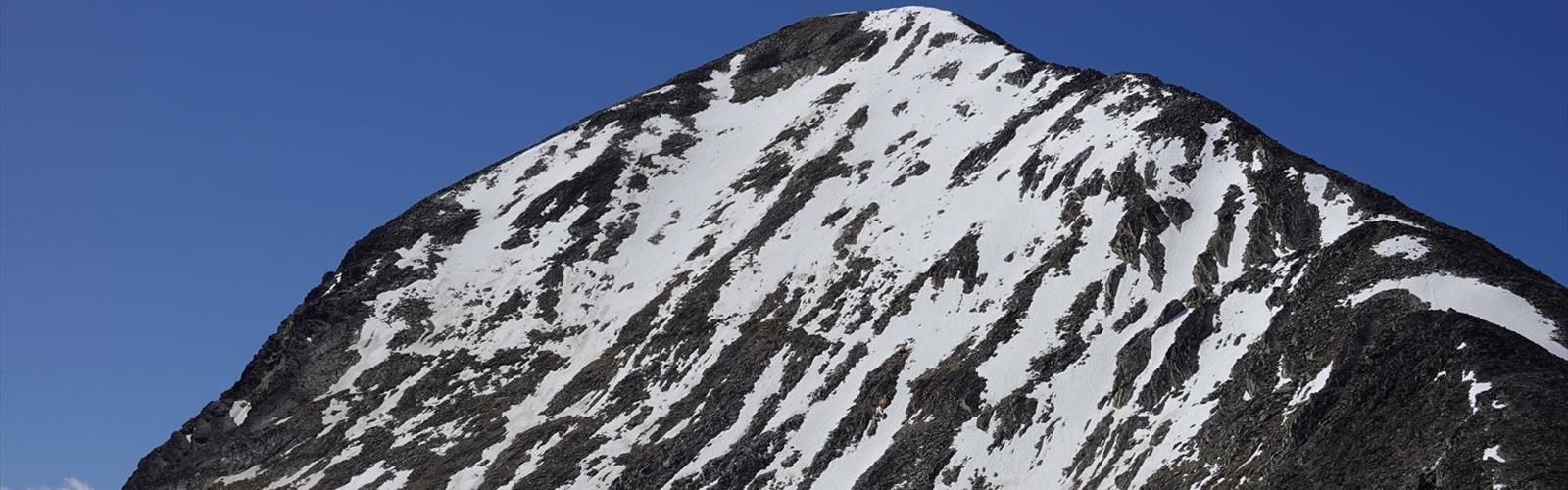

Ready to explore Mount Kerr? Here's everything you need to know before you go!
Discover the trail
Trail description
Mount Kerr sits in the Alberta North section of the Canadian Rockies, offering a genuine wilderness experience without the crowds that tend to pile up on more well-known peaks in the region. The mountain's 1,200-meter elevation gain creates a natural progression through distinct ecosystems — from dense mixed forest at the base to open alpine terrain near the summit — and the three trail options mean you can tailor the day to your fitness level and what you're actually looking for.
Trail Options
The Kerr Summit Trail is the main event. At 22 km round trip with 1,200 m of elevation gain and an estimated 7.5 hours on trail, this is a serious day hike that earns its Hard rating. The route starts in forested terrain, which provides shade and shelter in the early going, then opens up progressively as you gain elevation. There are sections of loose rock and steeper grades in the upper half that require solid footing and some basic scrambling — nothing that demands technical gear, but enough to separate this from a casual outing. The summit views stretch across Alberta's northern wilderness in a way that genuinely rewards the effort.
The Meadow Loop is a completely different kind of day. This gentler option winds through wildflower meadows and open woodland, making it a solid choice for families, hikers looking for a lower-intensity outing, or anyone who wants to slow down and actually look at things. The loop format keeps the scenery changing throughout, and the open meadow sections are good spots for birdwatching or a long lunch break. The footing is mostly smooth with occasional roots and minor elevation changes.
The Ridgeway Path lands somewhere between the two. It follows the mountain's ridge lines, which means exposure and big views without committing to the full summit push. The elevated position makes it one of the better spots on the mountain for wildlife watching — the open terrain gives you sightlines you simply don't get in the forest. The trail alternates between narrow ridge sections and broader plateau stretches, which keeps things interesting without becoming relentlessly technical.
Wildlife and Natural Features
Mount Kerr's mix of forest, meadow, and ridge habitat supports a healthy variety of wildlife. Deer are a regular sight, especially in the meadow zones during early morning and evening. Foxes show up fairly often along the Ridgeway Path, where the open terrain makes them easier to spot. Raptors — eagles in particular — use the ridge thermals regularly, and the cliff faces and ridge lines give you good angles for watching them work the updrafts.
The wildflower meadows are at their best in summer, when the blooms create vivid contrast against the surrounding rock and forest. Beyond the visual appeal, these meadow ecosystems support the insects and small mammals that anchor the local food web, so there's usually something moving around if you take the time to watch.
Terrain and Trail Conditions
The lower sections of all three trails move through northern Alberta mixed woodland — dense enough to provide real canopy cover and a buffer against weather. As you gain elevation on the Summit Trail, the forest thins and rock exposure increases. The loose rock sections in the upper trail require attention to foot placement, but the scrambling stays within the range of experienced hikers who are comfortable on uneven terrain.
Trail surfaces shift considerably depending on which route you're on. The Meadow Loop stays relatively forgiving underfoot throughout. The Summit Trail gets progressively more demanding, with the steepest and rockiest sections concentrated in the upper half. The Ridgeway Path mixes narrow ridge walking with wider sections, so footing conditions vary but rarely become extreme.
Planning Your Visit
Weather in the Canadian Rockies can change fast, and Mount Kerr's elevation and ridge exposure amplify that. Layered clothing is the standard approach — conditions at the summit or along the ridge can be significantly cooler and windier than what you started in at the trailhead. Check the forecast before you leave, but build in a margin for conditions to shift anyway.
For the Summit Trail specifically, nutrition and hydration planning matters. The combination of 1,200 m of gain, 22 km of distance, and 7.5 hours on trail puts real demands on your body, and the elevation tends to increase fluid needs beyond what you might expect. The Meadow Loop is far less demanding in this regard, but carrying enough water is always the right call regardless of route.
There are campground facilities nearby for hikers who want to make a longer trip of it. Camping opens up the option of an early start on the Summit Trail — which is worth considering both for weather management and for catching wildlife activity during the morning hours when the mountain is at its most alive.
Leave No Trace
Mount Kerr's relatively uncrowded character is worth protecting. Staying on marked trails matters especially in the alpine and meadow zones, where vegetation is slow to recover from foot traffic. Pack everything out, keep distance from wildlife, and resist the temptation to shortcut switchbacks on the Summit Trail — the loose terrain makes erosion a real concern on the steeper sections.
The Essential Hiking Checklist
Everything you need for your next hike. Bilingual, printable, 1 page.
Get your free hiking checklistRecommended gear for this trail
As an Amazon Associate I earn from qualifying purchases.


Ready to go?
Everything you need to know before you goStarting Point
The mount kerr trails are located in the Kananaskis Country area of Alberta. To get to the start of the trails, take Highway 40 south from Calgary and turn left onto the Smith-Dorrien Trail (Highway 742). The trailhead is located about 26 km down the road.
When?
How much?
As an Amazon Associate I earn from qualifying purchases.
Affiliate links — LGPO may earn a commission at no extra cost to you.
- Hiking shoes Essential
- → Salomon Elixir Tour Mid WP · 203.38 $
- Layered clothing Essential
- Rain jacket Essential
- Trekking poles
- → Black Diamond Trail Ergo Cork · 69.99 $
- Headlamp
- → Petzl Actik Core 625 · 103.95 $
FAQ - Frequently asked questions
Everything you need to knowSimilar hikes nearby
Discover other trails you might enjoy
Fossil Mountain
Canadian Rockies

Snake Indian Mountain
Canadian Rockies
Mushroom Peak
Canadian Rockies
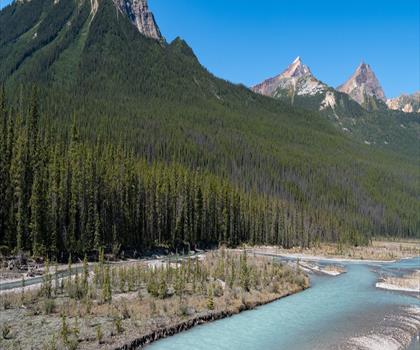
Mount Woolley
Canadian Rockies
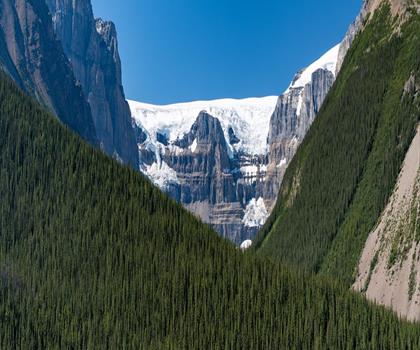
Stutfield Peak
Canadian Rockies
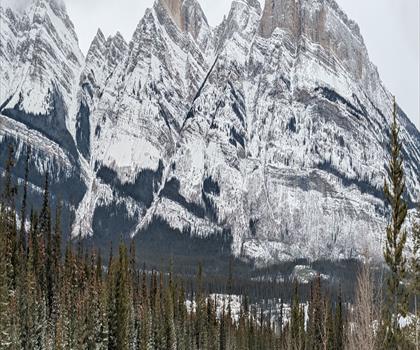
Mount Sarbach
Canadian Rockies
Hiking near Jasper
82 trails to explore ~12 km away
We work hard to provide the most up-to-date and error-free data possible. If something seems incorrect, let us know! Your contribution helps the whole community.
Hikers' opinions
Be the first to review!
No hiker has shared their experience yet. Share your impressions and help other hikers!