
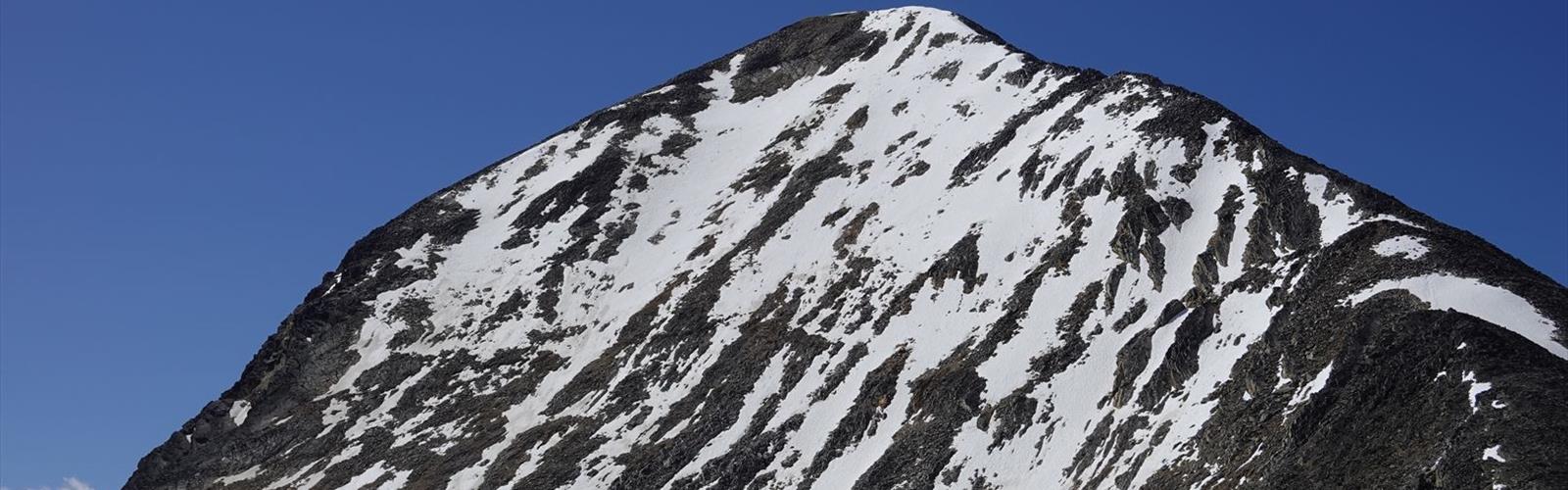

Ready to explore Mount Kinross? Here's everything you need to know before you go!
Discover the trail
Trail description
Mount Kinross is one of those peaks in the Canadian Rockies that earns its reputation the hard way — through sustained effort, serious elevation gain, and terrain that keeps you honest from start to finish. At 16 km round trip with 2,640 m of elevation gain, this is a full commitment of a day, typically running around 8.5 hours for fit, experienced hikers moving at a steady pace. The difficulty rating is Hard, and that classification is well-deserved.
What makes Mount Kinross worth that effort is the quality of the alpine experience waiting at the top. The Canadian Rockies are full of demanding objectives, but this one delivers the kind of sweeping, unobstructed views and genuine high-country exposure that remind you why you lace up your boots in the first place. The route takes you through multiple distinct ecosystems on the way up, so the journey itself holds your attention even before you reach the upper mountain.
The Route and What to Expect
The climb begins in dense subalpine forest, where spruce and fir close in on either side of the trail. The grade establishes itself early and doesn't let up for long. This isn't a trail that eases you in gradually — the elevation gain is consistent and cumulative, and you'll feel it in your legs well before you break out of the trees.
As you gain altitude, the forest opens up and the character of the terrain shifts noticeably. Subalpine meadows replace the dense canopy, and the views start to open across the surrounding ridgelines and valleys. This transition zone is often where wildflower displays peak during summer months, with alpine species taking advantage of the short growing season in every available patch of soil.
The upper mountain is where the route becomes genuinely demanding. Exposed ridgelines, rocky scrambling terrain, and loose scree require careful foot placement and full attention. The final push to the summit crosses open, high-elevation ground where weather can shift quickly and there's no shelter to speak of. This section rewards hikers who have paced themselves well on the lower mountain — arriving at the top with tired legs and deteriorating weather is not where you want to be.
The summit views across the Canadian Rockies are the payoff for all of it. On a clear day, the scale of the surrounding mountain landscape is genuinely impressive, with ridgeline after ridgeline stretching in every direction.
Preparation and Gear
With 2,640 m of elevation gain over 16 km, this hike demands solid physical conditioning and honest self-assessment before you commit. This is not a trail to test your fitness on — come prepared, or save it for when you are.
A few things worth thinking through before you go:
- Start early. An 8.5-hour day means an alpine start is not optional. Afternoon thunderstorms are a real hazard on the exposed upper sections, and you want to be off the summit and back below treeline well before they build.
- Layers matter. The temperature difference between the trailhead and the summit can be dramatic. Even on warm summer days, wind and cloud cover at elevation can make conditions feel significantly colder. Pack accordingly.
- Water and food. The length and elevation gain of this route burn through energy and hydration faster than most day hikes. Carry more than you think you'll need.
- Navigation tools. Cell coverage in this part of the Canadian Rockies is unreliable at best. A downloaded offline map or a paper topo, combined with the ability to use them, is essential.
- Emergency gear. Given the remoteness and the exposure on the upper mountain, a basic emergency kit — including a space blanket, first aid supplies, and a headlamp — belongs in your pack.
Seasonal Conditions
The Canadian Rockies dictate the terms here, not the calendar. Snow can linger on the upper mountain well into summer, and the summit route may require microspikes or an ice axe earlier in the season. Late July through September generally offers the most reliable window for a full summit attempt, though conditions vary year to year.
Autumn can be a particularly rewarding time on the lower sections of the mountain, when the deciduous trees and shrubs scattered through the coniferous forest turn and the air is sharp and clear. The upper alpine terrain loses its snow later and regains it earlier than the valleys below, so the seasonal window for the full route is narrower than it might appear on paper.
Always check current conditions before heading out, and treat any weather forecast for the high country as a starting point for planning rather than a guarantee.
Wildlife and Natural Character
The Canadian Rockies ecosystem surrounding Mount Kinross supports a full range of mountain wildlife. The forested lower sections are good habitat for deer and a variety of bird species, while the upper alpine terrain is the domain of marmots, pikas, and the occasional mountain goat on the rocky faces. Bears are present in this landscape — carry bear spray and know how to use it.
The botanical diversity across the elevation range is one of the quieter rewards of this hike. The shift from boreal forest species at the base to highly specialized alpine plants near the summit reflects the dramatic range of growing conditions the mountain spans, and it gives the route a sense of genuine ecological progression as you climb.
The Essential Hiking Checklist
Everything you need for your next hike. Bilingual, printable, 1 page.
Get your free hiking checklistRecommended gear for this trail
As an Amazon Associate I earn from qualifying purchases.


Ready to go?
Everything you need to know before you goStarting Point
The mount kinross trails are located in the town of Blairmore, Alberta. To get to the start of the trails, take Highway 3 west from Lethbridge and turn left onto Highway 22. Blairmore is located about 30 minutes from Lethbridge.
When?
How much?
As an Amazon Associate I earn from qualifying purchases.
Affiliate links — LGPO may earn a commission at no extra cost to you.
- Hiking shoes Essential
- → Salomon Elixir Tour Mid WP · 203.38 $
- Layered clothing Essential
- Rain jacket Essential
- Trekking poles
- → Black Diamond Trail Ergo Cork · 69.99 $
- Headlamp
- → Petzl Actik Core 625 · 103.95 $
FAQ - Frequently asked questions
Everything you need to knowSimilar hikes nearby
Discover other trails you might enjoy
Fossil Mountain
Canadian Rockies

Snake Indian Mountain
Canadian Rockies
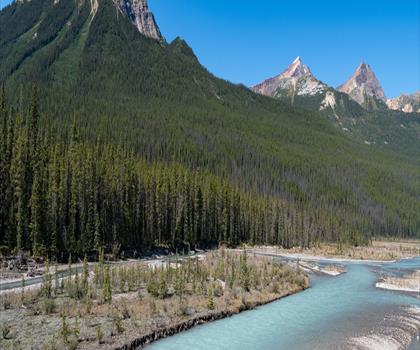
Mushroom Peak
Canadian Rockies
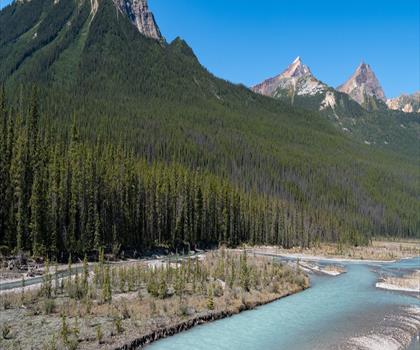
Mount Woolley
Canadian Rockies
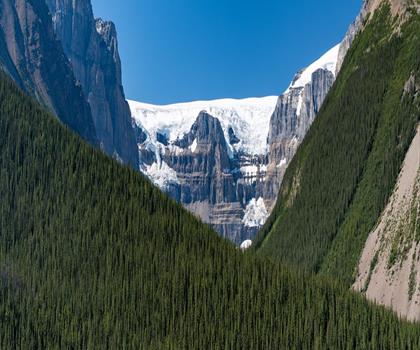
Stutfield Peak
Canadian Rockies
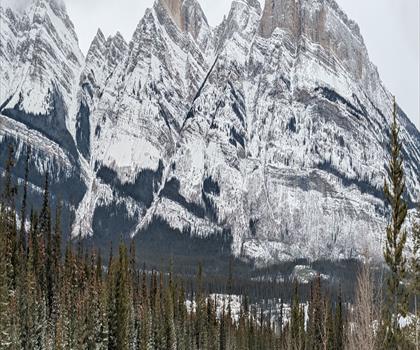
Mount Sarbach
Canadian Rockies
Hiking near Jasper
82 trails to explore ~10 km away
We work hard to provide the most up-to-date and error-free data possible. If something seems incorrect, let us know! Your contribution helps the whole community.
Hikers' opinions
Be the first to review!
No hiker has shared their experience yet. Share your impressions and help other hikers!