
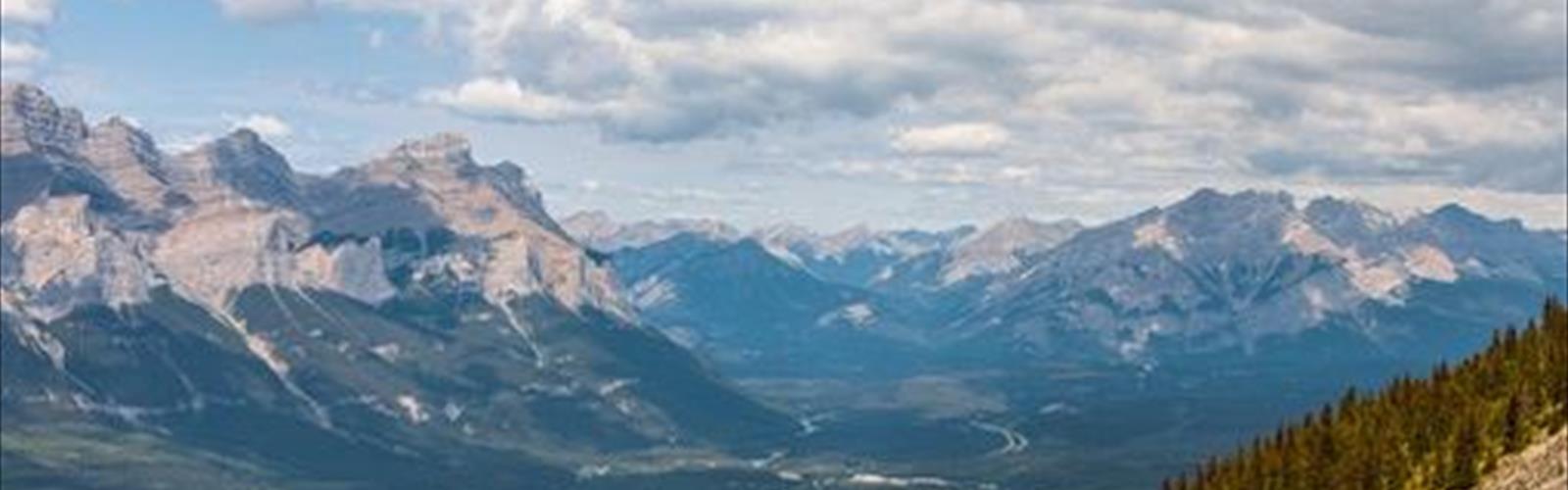

Ready to explore Mount Lady MacDonald? Here's everything you need to know before you go!
Discover the trail
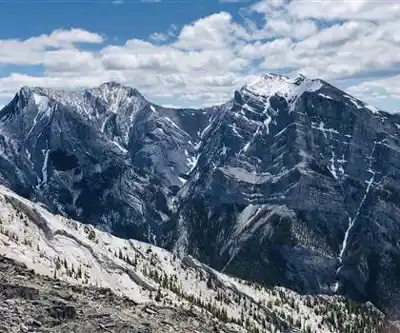
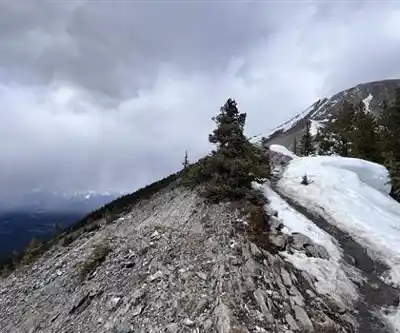
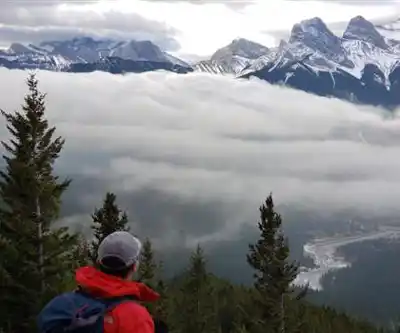
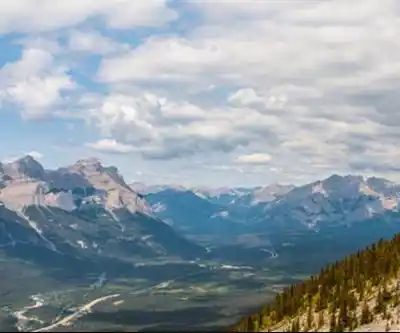
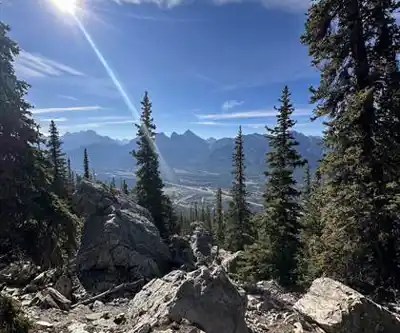
Photos: Amedz Traveller — Google Maps (Google Maps) Indrajeet Kumar — Google Maps (Google Maps) Farid Mobasseri — Google Maps (Google Maps) 오리날다 Flyingduck — Google Maps (Google Maps) Nilton Barros — Google Maps (Google Maps)
Trail description
Mount Lady MacDonald stands as one of the most recognizable peaks rising above Canmore, offering hikers a genuine Rocky Mountain experience without requiring technical climbing skills. Positioned just east of Banff National Park in Alberta's Bow River valley, this distinctive mountain draws thousands of visitors each year to its abandoned teahouse and the sweeping views it delivers over the surrounding ranges.
The mountain honors Susan Agnes Macdonald, wife of Canada's first Prime Minister, Sir John A. Macdonald. The name was given in 1886 when the MacDonalds traveled through the Canadian Rockies aboard the newly completed transcontinental railway during their historic journey to Vancouver — a detail that gives this hike a quiet connection to Canadian history that most people don't think about until they're already halfway up.
The Trail
The route to the teahouse covers 7.4 kilometers round trip with 850 meters of elevation gain, and most hikers complete it in around 4 hours and 30 minutes. The moderate difficulty rating applies to the teahouse destination specifically. The true summit is a different story entirely — it involves serious scrambling with significant exposure and belongs in a separate category of mountain objective.
The trail starts in dense montane forest, climbing steadily through mixed stands of spruce, fir, and aspen. The grade is consistent from the start, so don't let the shaded lower section lull you into a false sense of ease. The forest canopy is a genuine asset on hot summer days, and the switchbacks are well-placed to help manage the elevation without feeling relentless. The path is easy to follow throughout the lower section.
As you gain elevation, the forest begins to thin and the character of the hike shifts noticeably. The Bow Valley starts appearing through gaps in the trees, and those glimpses build anticipation for what's waiting above. The trail holds its steady grade through this middle section — demanding enough to get your heart rate up, but nothing that requires scrambling experience or technical footwork.
The upper section is where things get interesting. The tree cover falls away and you're suddenly exposed to the full mountain environment. Mount Lady MacDonald's knife-edge ridge comes into clear view above, and the scale of what you're looking at becomes real. The final approach to the teahouse involves some scrambling over rocky terrain — enough to feel like genuine mountain travel, but well within reach for hikers with basic fitness and solid footwear.
The Teahouse
The destination is a substantial stone teahouse and helipad sitting just below the mountain's dramatic ridgeline. The building is abandoned but still standing, and it functions as both a natural turnaround point and a shelter from mountain weather if conditions turn on you. It's a striking structure in an unlikely location, and it raises questions about the era when helicopter access brought visitors up here routinely.
The views from the teahouse area are the payoff for everything the trail asks of you. Canmore sits directly below, looking almost like a scale model from this elevation. The Front Ranges extend in every direction, and on a clear day you can pick out dozens of named peaks across the entire Bow Valley corridor. It's one of the better vantage points in the region for understanding the sheer scale of the Canadian Rockies.
Near the helipad, a metal paragliding ramp sits on the west side of the trail. It serves the local paragliding community, though aerial sports in this terrain carry serious risks — something underscored by a 2011 incident in which an experienced paraglider lost control of his speedglider near the mountain.
Beyond the Teahouse
The knife-edge ridge leading to the true summit is a completely different undertaking. The exposure is significant, with steep drops on both sides of a narrow ridge. Scrambling experience, a helmet, and the ability to read mountain conditions independently are all necessary before attempting this section. The majority of hikers — including experienced ones — find the teahouse a more than satisfying objective and turn back there.
Safety
Mount Lady MacDonald's accessibility can create a misleading impression of how serious this terrain is. Fatalities have occurred on this mountain. In June 2003, a solo hiker died near the summit following injuries sustained in an avalanche. Several years later, a woman fell to her death while hiking between Mount Lady MacDonald and neighboring Mount Charles Stewart. These incidents aren't meant to discourage anyone from hiking here, but they're a reminder that popularity doesn't reduce objective hazard.
Weather moves fast in the Rockies, and the exposed upper sections are particularly vulnerable to sudden storms and high winds. Snow and ice can linger well into June and return by September. Lightning is a real concern above treeline, and the teahouse area offers limited protection during electrical storms. Check the mountain weather forecast before you go, and be willing to turn around if conditions deteriorate — the mountain will still be there next weekend.
Wildlife
Both black bears and grizzly bears use this terrain, particularly in late summer when they're foraging heavily before winter. Deer and elk are common on the lower slopes and are often visible from the trail or from the teahouse viewpoint. Carry bear spray and know how to use it. Mount Lady MacDonald sits close to Banff National Park's wildlife corridors, so encounters are a genuine possibility rather than a remote one.
Getting Ready
Sturdy hiking boots with solid ankle support are the right footwear choice here — trail runners can work for experienced hikers, but the rocky upper section rewards proper boots. Bring layers regardless of what the forecast says at the trailhead, since conditions at the teahouse elevation can differ significantly from what you started in. Trekking poles are worth considering given the sustained elevation gain on the way up and the knee load on the descent.
The hiking season generally runs from late spring through early fall, though snow conditions vary year to year. Early season hikers should come prepared for icy patches and consider bringing traction devices. The mountain's location just outside Banff National Park keeps access straightforward, and Canmore's proximity means services, accommodation, and emergency facilities are close at hand — a reassuring backdrop for a hike that earns its place among the best day trips in the Canadian Rockies.
The Essential Hiking Checklist
Everything you need for your next hike. Bilingual, printable, 1 page.
Get your free hiking checklistRecommended gear for this trail
As an Amazon Associate I earn from qualifying purchases.


Ready to go?
Everything you need to know before you goStarting Point
The mount lady macdonald is located in Alberta. To get to the start of the trails, take the Trans-Canada Highway (Highway 1) to the exit for Highway 40. Follow Highway 40 until it ends, and then take the mount lady macdonald Trail.
When?
How much?
As an Amazon Associate I earn from qualifying purchases.
Affiliate links — LGPO may earn a commission at no extra cost to you.
- Hiking shoes Essential
- → Salomon Elixir Tour Mid WP · 203.38 $
- Layered clothing Essential
- Rain jacket Essential
- Trekking poles
- → Black Diamond Trail Ergo Cork · 69.99 $
- Headlamp
- → Petzl Actik Core 625 · 103.95 $
FAQ - Frequently asked questions
Everything you need to knowSimilar hikes nearby
Discover other trails you might enjoy
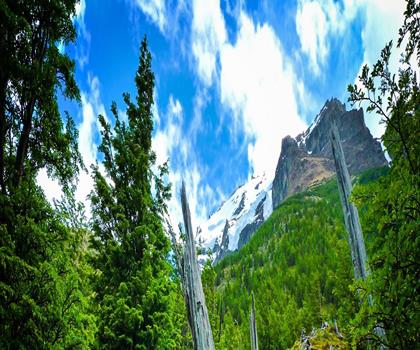
Fossil Mountain
Canadian Rockies

Snake Indian Mountain
Canadian Rockies
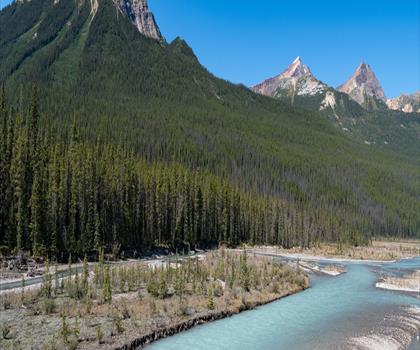
Mushroom Peak
Canadian Rockies
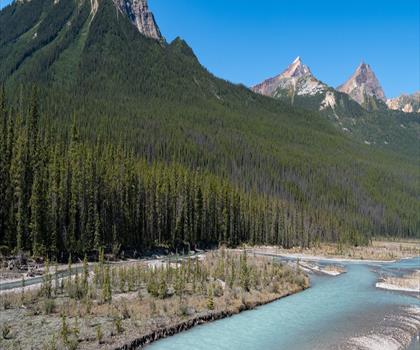
Mount Woolley
Canadian Rockies
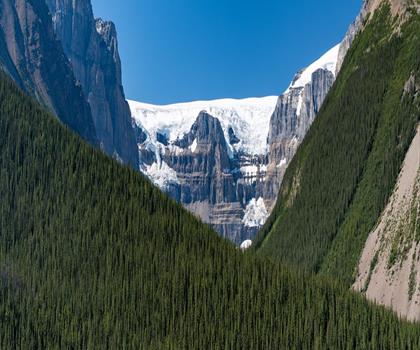
Stutfield Peak
Canadian Rockies
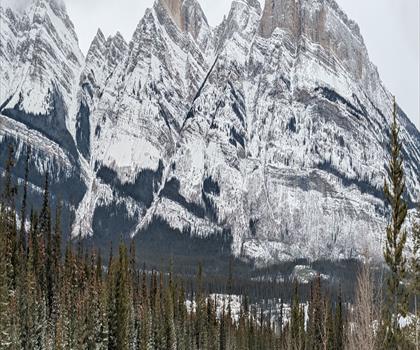
Mount Sarbach
Canadian Rockies
Hiking near Canmore
200 trails to explore ~5 km away
We work hard to provide the most up-to-date and error-free data possible. If something seems incorrect, let us know! Your contribution helps the whole community.
Hikers' opinions
Be the first to review!
No hiker has shared their experience yet. Share your impressions and help other hikers!