
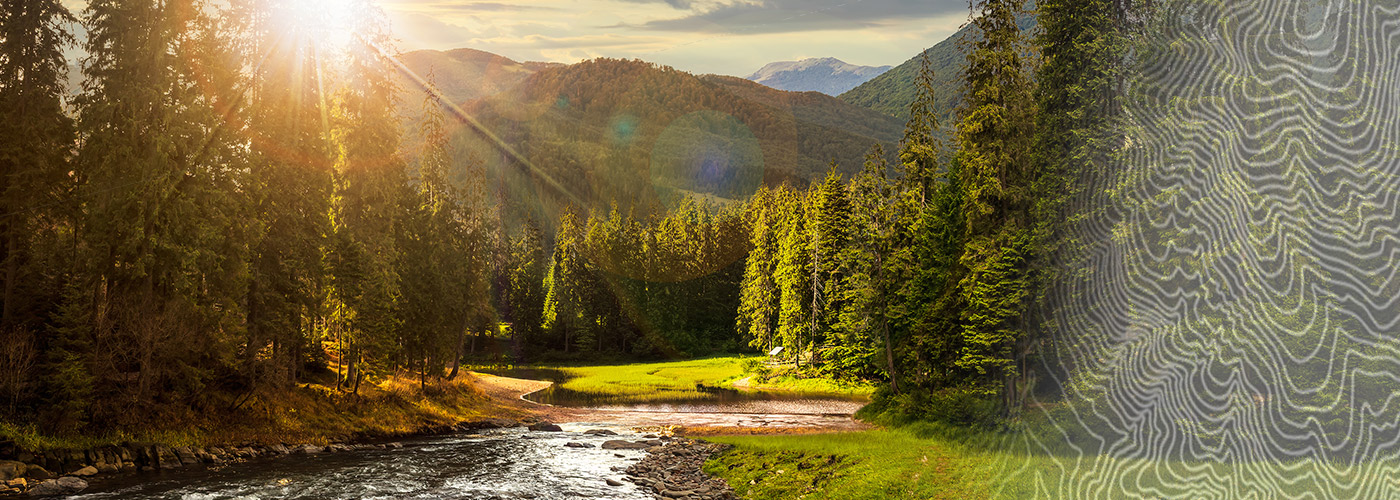

Ready to explore Mount Malloch? Here's everything you need to know before you go!
Discover the trail
Oh no! We don't have any photos 😢
This trail hasn't been captured yet. Be the first to share your adventure!Trail description
Mount Malloch presents one of the most grueling single-day challenges in the Canadian Rockies, demanding everything experienced mountaineers can give across 22 kilometers and 3,078 meters of elevation gain. This isn't the gentle forest walk that some Rocky Mountain peaks offer in their opening kilometers—Malloch hits you with relentless climbing from the start and doesn't let up until you're standing on the summit roughly 10.5 hours later.
The mountain earned its "Replica Peak" nickname from early explorers who noticed its striking resemblance to several neighboring summits, creating an almost mirror-like geological formation that continues to fascinate climbers and geologists. But what makes Malloch truly memorable isn't just its visual similarity to other peaks—it's the way the route forces you through every type of terrain the Rockies can throw at you, from dense forest grinding to exposed alpine scrambling where a single mistake could end your day badly.
What You're Getting Into
The first kilometer sets the tone with deceptively moderate forest terrain that quickly transforms into a relentless series of switchbacks climbing through mixed coniferous forest. The trail surface keeps you guessing—packed earth gives way to loose scree, then solid rock steps, then back to loose stuff that tries to send you sliding backward with every step. Your legs will start talking to you early, and they'll have plenty more to say over the next several hours.
The middle section delivers the route's most challenging navigation as the path becomes frustratingly less defined while traversing steep talus slopes. This is where many parties lose time hunting for the correct line, and where that early start becomes crucial. You'll be picking your way across loose rock fields where every step needs consideration, especially when you're already several hours into the effort and fatigue starts affecting judgment.
Above treeline, Malloch shows its true character. The final approach transforms into legitimate alpine scrambling with Class 2-3 rock work over solid limestone that demands careful route selection and confident scrambling skills. The exposure becomes real here—this isn't a place for anyone uncomfortable with significant drop-offs or unsure about their ability to move efficiently over technical terrain. Weather conditions change rapidly at this elevation, with afternoon thunderstorms creating serious hazards during summer months. The exposed upper sections offer zero shelter, making those pre-dawn starts absolutely essential for safety.
The descent follows the same punishing route but brings its own special challenges. The steep grade hammers your knees and ankles relentlessly, while loose rock on the upper slopes requires constant attention to foot placement. Trekking poles become absolutely invaluable for maintaining stability, particularly during the seemingly endless descent through those forest switchbacks that felt challenging on the way up and feel downright brutal on tired legs.
The Payoff
The summit delivers panoramic views that justify every grunt and groan of the ascent. On clear days, the vista encompasses dozens of named peaks, glaciated valleys, and the distinctive geological layers that define this mountain range. The perspective reveals exactly why early explorers chose the name "Replica"—you can clearly see the similar structural formations of neighboring peaks that share nearly identical profiles, creating an almost surreal landscape of geological repetition.
Wildlife encounters add excitement throughout the lower elevations, with both black bears and grizzlies present in the area. Mountain goats frequent the upper rocky terrain, often visible as white dots on distant cliff faces that make you appreciate just how steep this country really is. Pikas and marmots inhabit the alpine zones, their sharp calls echoing across the talus fields and providing welcome companionship during the long grind upward. Bird life includes gray jays that might investigate your rest stops, Clark's nutcrackers, and occasionally golden eagles soaring above the summit ridges.
The alpine flora creates spectacular displays during the brief summer season. Wildflower meadows bloom in protected pockets below treeline, featuring Indian paintbrush, alpine forget-me-nots, and mountain avens that provide brilliant color against the gray limestone. Higher up, hardy cushion plants and alpine grasses cling to cracks in the rock, demonstrating the kind of tenacity you'll need to complete this route.
Timing and Conditions
The climbing season typically runs from mid-July through early September, though snow conditions vary dramatically year to year. Early season attempts often encounter snow patches on north-facing slopes and potentially dangerous conditions on the upper rock sections where wet limestone becomes treacherous. Late season climbing can be excellent, with stable weather and fewer crowds, but you must be prepared for sudden weather changes and early snowfall that can turn the route from challenging to dangerous.
Winter and spring conditions make this route extremely hazardous due to avalanche risk and technical ice climbing requirements. The steep terrain that makes summer scrambling challenging becomes a serious mountaineering objective requiring specialized equipment and extensive winter climbing experience.
Essential Preparation
This route demands excellent physical conditioning and previous scrambling experience. The sustained steep grade and technical terrain make it completely unsuitable for novice hikers or anyone uncomfortable with significant exposure. Proper footwear with aggressive tread is absolutely essential, as much of the upper route crosses loose rock and steep slabs where a slip could have serious consequences.
Essential gear includes a helmet for the upper scrambling sections, trekking poles for stability and knee protection, plenty of water since no reliable sources exist above treeline, high-energy food for the long day, and layers for rapidly changing weather conditions. A headlamp is recommended even for day trips, as route-finding delays can easily extend the day well past sunset. Basic first aid supplies and emergency shelter should be standard for any party attempting this remote objective.
Navigation skills prove crucial, particularly in poor weather when the upper route becomes difficult to follow. GPS devices or smartphone apps with downloaded maps provide important backup to traditional map and compass navigation. The route crosses several false summits that can seriously confuse navigation in cloudy conditions, leading to dangerous route-finding errors.
Access and Logistics
The trailhead requires a high-clearance vehicle for the final approach road, which becomes impassable during wet conditions. Parking is limited to roadside pullouts that accommodate perhaps a dozen vehicles. Popular summer weekends often see the area fill up before dawn, making very early starts advisable for securing parking and avoiding afternoon weather.
No facilities exist at the trailhead or anywhere along the route. The nearest services are located over an hour's drive away, so parties must be completely self-sufficient. Cell phone coverage is non-existent throughout most of the route, making emergency communication impossible without satellite devices.
Mount Malloch attracts serious mountain enthusiasts who appreciate demanding terrain and spectacular alpine environments, but it requires careful preparation and deep respect for the significant risks involved in high-altitude scrambling.
The Essential Hiking Checklist
Everything you need for your next hike. Bilingual, printable, 1 page.
Get your free hiking checklistRecommended gear for this trail
As an Amazon Associate I earn from qualifying purchases.


Ready to go?
Everything you need to know before you goStarting Point
The mount malloch is located in the Kananaskis Country of Alberta. To get to the start of the trails, take the Trans-Canada Highway 1 to the exit for Kananaskis Country. Follow the Kananaskis Trail for about 30 km until you reach the mount malloch parking lot.
When?
How much?
As an Amazon Associate I earn from qualifying purchases.
Affiliate links — LGPO may earn a commission at no extra cost to you.
- Hiking shoes Essential
- → Salomon Elixir Tour Mid WP · 203.38 $
- Layered clothing Essential
- Rain jacket Essential
- Trekking poles
- → Black Diamond Trail Ergo Cork · 69.99 $
- Headlamp
- → Petzl Actik Core 625 · 103.95 $
FAQ - Frequently asked questions
Everything you need to knowSimilar hikes nearby
Discover other trails you might enjoy
Fossil Mountain
Canadian Rockies

Snake Indian Mountain
Canadian Rockies
Mushroom Peak
Canadian Rockies
Mount Woolley
Canadian Rockies
Stutfield Peak
Canadian Rockies
Mount Sarbach
Canadian Rockies
Hiking near Banff
187 trails to explore ~82 km away
We work hard to provide the most up-to-date and error-free data possible. If something seems incorrect, let us know! Your contribution helps the whole community.
Hikers' opinions
Be the first to review!
No hiker has shared their experience yet. Share your impressions and help other hikers!