
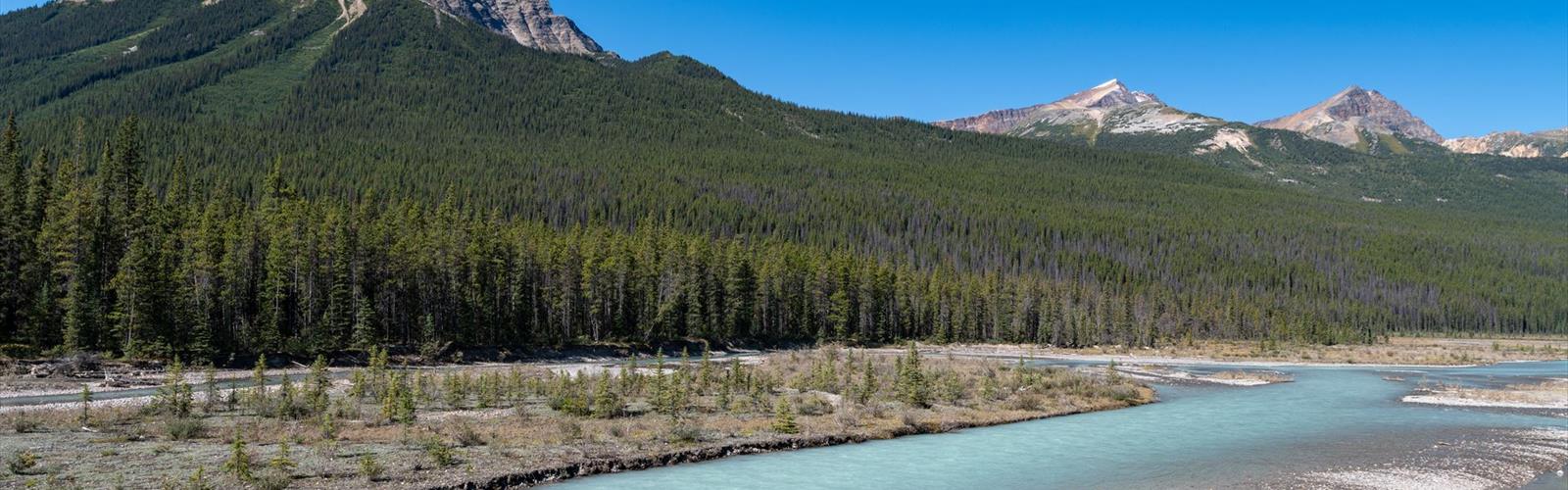

Ready to explore Mount McGuire? Here's everything you need to know before you go!
Discover the trail
Photos: Christoph Strässler from Oberdorf BL, Schweiz — CC BY-SA 4.0 (Wikimedia Commons)
Trail description
Mount McGuire is a serious alpine objective in the Canadian Rockies, rising to 2,362 meters (7,746 feet) within Jasper National Park's Sawback Range. It holds the distinction of being Alberta's ninth-highest peak, and its position between Mount Rundle to the east and Mount Chester to the west places it at the heart of some genuinely dramatic mountain terrain. This isn't a casual summit — the 17.1-kilometer route with 1,630 meters of elevation gain demands a full day of committed effort — but hikers who put in the work are rewarded with views that rank among the best the Canadian Rockies have to offer.
The mountain carries a sobering piece of history: it bears the name of John McGuire, who died in an avalanche here in 1898. That context has a way of sharpening your awareness of the mountain's character as you climb.
Getting to the Trailhead
The most commonly used approach to Mount McGuire starts near Sunshine Village ski resort, not far from the town of Banff. The North Face Trail is the primary route, covering 17.1 kilometers with a total elevation gain of 1,630 meters. Plan for a long day — this is a sustained climb that doesn't offer many shortcuts. Hikers looking for variety can also access the summit via the South Ridge Trail or the East Ridge Trail, each offering a different angle on the mountain and its surroundings. These alternatives can be combined to create loop options, though they each come with their own navigation demands and technical considerations.
What the Trail Is Actually Like
The North Face Trail opens with a gradual climb through subalpine forest — spruce and fir providing shade and relatively forgiving footing underfoot. This lower section is where you settle into your pace and get your legs under you before the terrain opens up. As you gain elevation, the trees thin out and give way to alpine meadows, and in midsummer these open slopes are genuinely beautiful, with wildflowers filling in wherever the rock allows.
The upper mountain is where things get more demanding. Loose scree slopes and exposed rock sections require deliberate foot placement, and the exposure to wind increases significantly. The final push to the summit involves basic scrambling — nothing that requires ropes or technical gear, but enough to keep you focused. The combination of altitude, loose terrain, and the sheer length of the day means this route is best suited to hikers who are already comfortable with long days in the mountains and have some experience reading alpine terrain.
Weather is a real consideration here. Conditions can shift quickly at this elevation, and afternoon thunderstorms are a genuine hazard during summer months. An early start is strongly recommended — both to beat the weather and to give yourself enough time to descend comfortably before the light goes.
Views from the Summit
The summit of Mount McGuire delivers a full 360-degree panorama that makes the effort feel entirely worthwhile. Mount Rundle's unmistakable ridgeline dominates to the east, while Mount Chester fills the western view. On a clear day, the view extends deep into the Canadian Rockies in every direction — layer after layer of peaks receding toward the horizon. The valleys below spread out in sharp contrast to the rugged terrain underfoot, giving you a real sense of the scale and complexity of this mountain landscape.
Wildlife Along the Way
Mount McGuire and its surrounding terrain support a healthy cross-section of Canadian Rockies wildlife. Both black bears and grizzly bears are present in the area, so carrying bear spray and knowing how to use it is non-negotiable. Elk and deer are regularly spotted in the valleys and lower slopes, particularly in the early morning and evening hours. Higher up, mountain goats are a genuine highlight — watch the cliff faces and rocky outcrops carefully and you'll often spot them navigating terrain that looks impossible from a distance.
The range of elevations across the route also means a notable variety of bird species, from forest birds in the lower sections to hardier alpine species near the summit. The shift in wildlife and plant communities as you gain elevation is one of the more quietly compelling aspects of a long climb like this one.
Practical Notes
- Distance: 17.1 km
- Elevation gain: 1,630 m
- Difficulty: Moderate (with sustained effort required)
- Trailhead: Near Sunshine Village ski resort, Banff area
- Bear awareness: Bear spray is essential — both grizzly and black bears are active in this area
- Start early: The length of the route and afternoon weather risk make an early departure important
- Footwear: Sturdy hiking boots with good ankle support are strongly recommended given the scree and scrambling sections on the upper mountain
Mount McGuire sits within Jasper National Park, which means standard national park entry requirements apply — check current Parks Canada guidelines before your visit for any permit or reservation requirements that may be in effect.
The Essential Hiking Checklist
Everything you need for your next hike. Bilingual, printable, 1 page.
Get your free hiking checklistRecommended gear for this trail
As an Amazon Associate I earn from qualifying purchases.


Ready to go?
Everything you need to know before you goStarting Point
The mount mcguire trails are located in the Kananaskis Country area of Alberta. To get to the start of the trails, take Highway 40 south from Calgary and turn left onto the Smith-Dorrien Trail (Highway 742). The trailhead is located about 18 km down the road.
When?
How much?
As an Amazon Associate I earn from qualifying purchases.
Affiliate links — LGPO may earn a commission at no extra cost to you.
- Hiking shoes Essential
- → Salomon Elixir Tour Mid WP · 203.38 $
- Layered clothing Essential
- Rain jacket Essential
- Trekking poles
- → Black Diamond Trail Ergo Cork · 69.99 $
- Headlamp
- → Petzl Actik Core 625 · 103.95 $
FAQ - Frequently asked questions
Everything you need to knowSimilar hikes nearby
Discover other trails you might enjoy
Fossil Mountain
Canadian Rockies

Snake Indian Mountain
Canadian Rockies
Mushroom Peak
Canadian Rockies
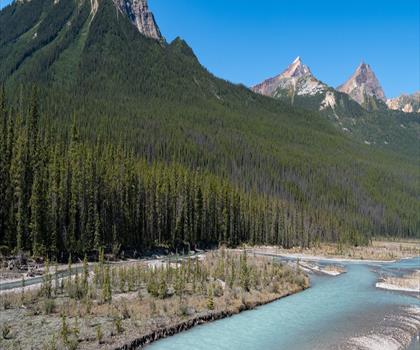
Mount Woolley
Canadian Rockies
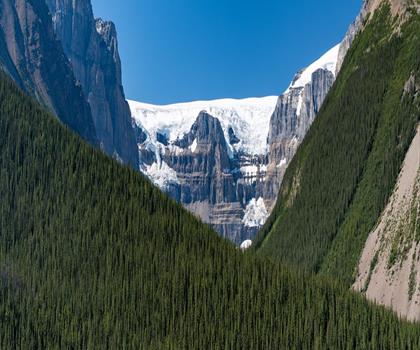
Stutfield Peak
Canadian Rockies
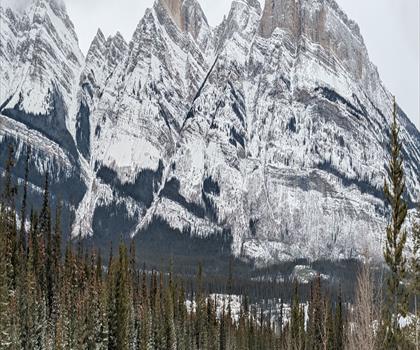
Mount Sarbach
Canadian Rockies
Hiking near Jasper
82 trails to explore ~70 km away
We work hard to provide the most up-to-date and error-free data possible. If something seems incorrect, let us know! Your contribution helps the whole community.
Hikers' opinions
Be the first to review!
No hiker has shared their experience yet. Share your impressions and help other hikers!