
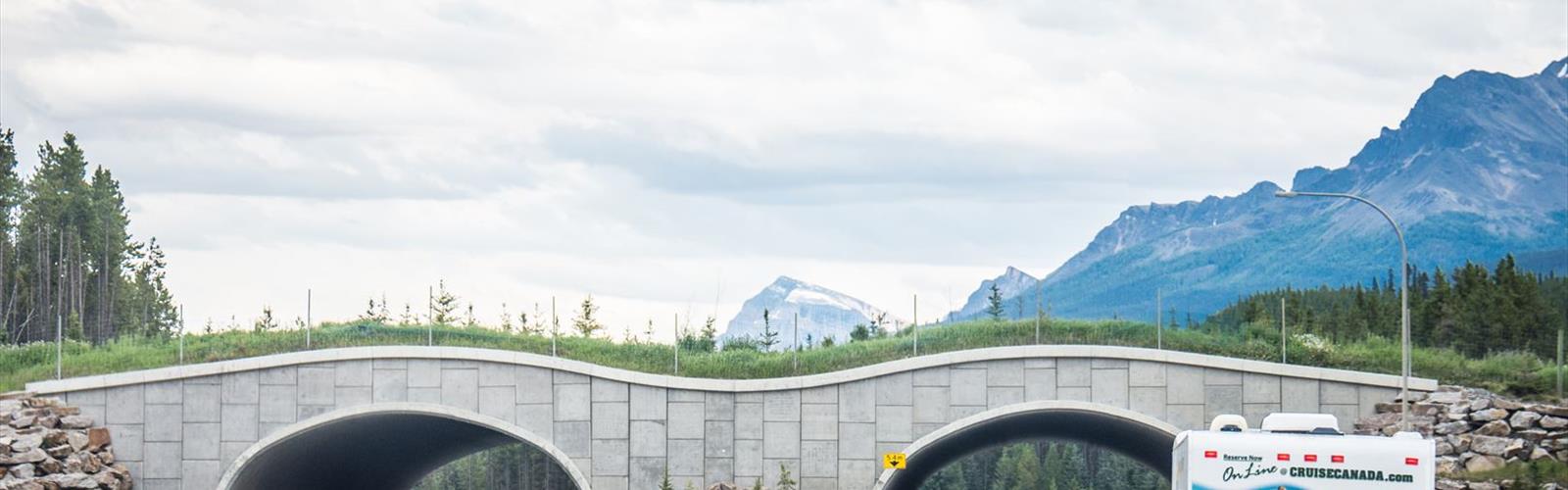

Ready to explore Mount Murchison? Here's everything you need to know before you go!
Discover the trail
Trail description
Mount Murchison rises 3,353 meters (11,001 feet) above sea level in the Canadian Rockies, making it one of Alberta's most demanding and rewarding objectives for experienced hikers and mountaineers. At 22 km round trip with 3,333 meters of elevation gain and an estimated 12.5 hours on the mountain, this is a serious undertaking that deserves serious respect.
The Mountain and Its Setting
Mount Murchison dominates its corner of the Canadian Rockies with the kind of presence that stops you in your tracks. This isn't a peak you wander up on a whim — the combination of distance, vertical gain, and technical terrain puts it firmly in the "very hard" category, and that rating is earned. What you get in return is access to a summit perspective that very few people ever see, with an unbroken panorama of snow-capped peaks and deep glacially carved valleys stretching in every direction.
The surrounding landscape is quintessential Canadian Rockies: raw, rugged, and largely untouched. The scale of everything up here has a way of recalibrating your sense of what's big and what's small.
What the Terrain Actually Looks Like
The route covers a wide range of terrain over its 22 km, and that variety is part of what makes the day so demanding — your legs and your head are constantly adapting to what's underfoot.
The lower sections move through dense conifer forest, the kind where the canopy closes overhead and the light filters down in shafts. It's a good place to find your rhythm before the real work begins. As you gain elevation, the trees thin out and the mountain starts to reveal itself — the scale of what's ahead becomes clear, and it's both motivating and sobering.
The mid-elevation terrain opens into alpine meadows that, in season, are carpeted with wildflowers adapted to the short Rocky Mountain growing season. These sections offer some of the most visually striking moments of the climb, with the contrast between the soft meadow colors and the hard grey rock above.
The upper mountain is where the route gets genuinely technical. Rocky outcroppings, steep grades, and exposed sections demand solid footing, good route-finding, and the kind of focus that doesn't waver when you're tired. Weather can shift fast at this elevation, which adds another layer of complexity to the upper push. The summit itself delivers a 360-degree view that makes every hard step worthwhile — peaks in every direction, valleys far below, and the particular silence that only exists at high altitude.
Wildlife and the Natural Environment
The elevation zones on Mount Murchison support a solid cross-section of Canadian Rockies wildlife. Mountain goats are a regular sight on the upper rocky terrain, moving across cliff faces with a casual confidence that's genuinely impressive to watch. Elk tend to stick to the lower elevations and meadow areas, most active in the early morning and evening.
Grizzly bears are present in this region, and that's not a detail to gloss over. Bear awareness isn't optional here — make noise on the trail, carry bear spray, and know how to use it. Encounters are uncommon for prepared hikers, but the bears are there and the ecosystem is theirs as much as it is yours.
Golden eagles are a highlight for anyone who takes time to scan the sky near the upper elevations. They use the mountain's thermal currents efficiently, and watching one work the updrafts from a high vantage point is one of those moments that sticks with you.
Preparation and Gear
With 3,333 meters of elevation gain over 22 km and a 12.5-hour estimated time, Mount Murchison demands honest self-assessment before you commit. This is not a trail for hikers who are new to big mountain days or anyone who hasn't built up to sustained technical terrain.
- Footwear: Stiff, well broken-in hiking boots with solid ankle support. The upper terrain is unforgiving on soft shoes.
- Layering system: Mountain weather in the Canadian Rockies can go from warm to cold and wet within an hour. A waterproof shell and insulating mid-layer are non-negotiable.
- Water and food: A 12.5-hour day burns through both faster than you expect. Carry more than you think you need.
- Bear spray: Carry it accessible, not buried in your pack.
- Navigation: Know your route before you leave the trailhead. The upper mountain requires solid route-finding skills.
Check the weather forecast the night before and again the morning of your climb. An early start is strongly recommended — being on the upper mountain during an afternoon thunderstorm is a situation you want to avoid entirely. Tell someone your detailed plan, including your expected return time, before you head out.
Leave No Trace principles apply throughout — the alpine environment at this elevation is fragile and recovers slowly from impact, so stay on established routes where they exist and pack out everything you bring in.
The Essential Hiking Checklist
Everything you need for your next hike. Bilingual, printable, 1 page.
Get your free hiking checklistRecommended gear for this trail
As an Amazon Associate I earn from qualifying purchases.


Ready to go?
Everything you need to know before you goStarting Point
The mount murchison is located in Alberta. To get to the start of the trails, take Highway 11 north from Rocky Mountain House for about 60 km. The trailhead is located on the east side of the highway, just south of the mount murchison Provincial Park sign.
When?
How much?
As an Amazon Associate I earn from qualifying purchases.
Affiliate links — LGPO may earn a commission at no extra cost to you.
- Hiking shoes Essential
- → Salomon Elixir Tour Mid WP · 203.38 $
- Layered clothing Essential
- Rain jacket Essential
- Trekking poles
- → Black Diamond Trail Ergo Cork · 69.99 $
- Headlamp
- → Petzl Actik Core 625 · 103.95 $
FAQ - Frequently asked questions
Everything you need to knowSimilar hikes nearby
Discover other trails you might enjoy
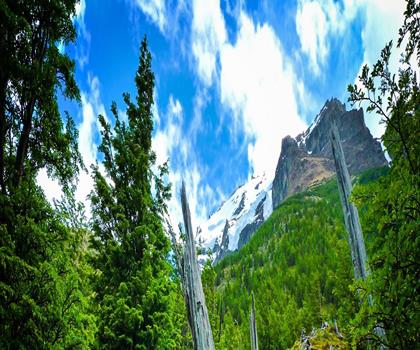
Fossil Mountain
Canadian Rockies

Snake Indian Mountain
Canadian Rockies
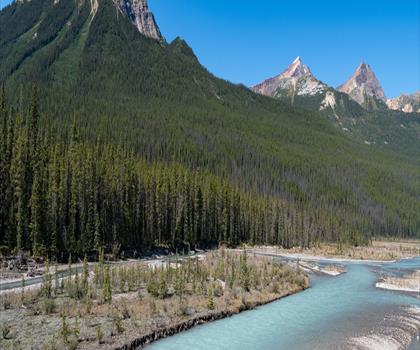
Mushroom Peak
Canadian Rockies
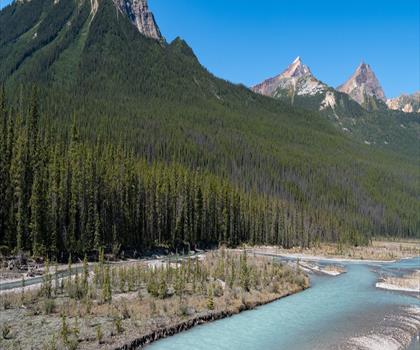
Mount Woolley
Canadian Rockies
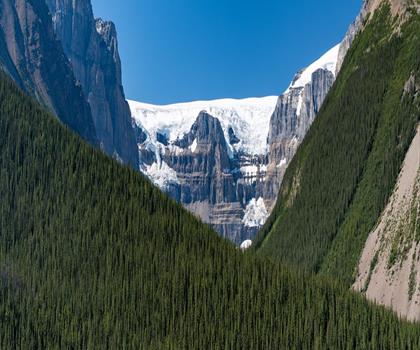
Stutfield Peak
Canadian Rockies
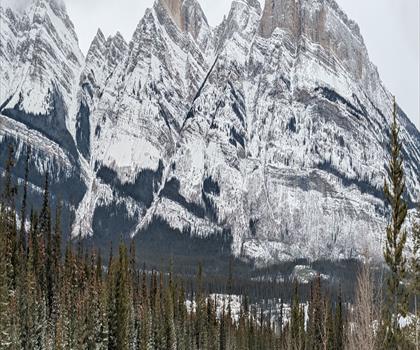
Mount Sarbach
Canadian Rockies
Hiking near Banff
187 trails to explore ~113 km away
We work hard to provide the most up-to-date and error-free data possible. If something seems incorrect, let us know! Your contribution helps the whole community.
Hikers' opinions
Be the first to review!
No hiker has shared their experience yet. Share your impressions and help other hikers!