

Ready to explore Mount Outram & Ghostpass Lake Trailhead? Here's everything you need to know before you go!
Discover the trail
Trail description
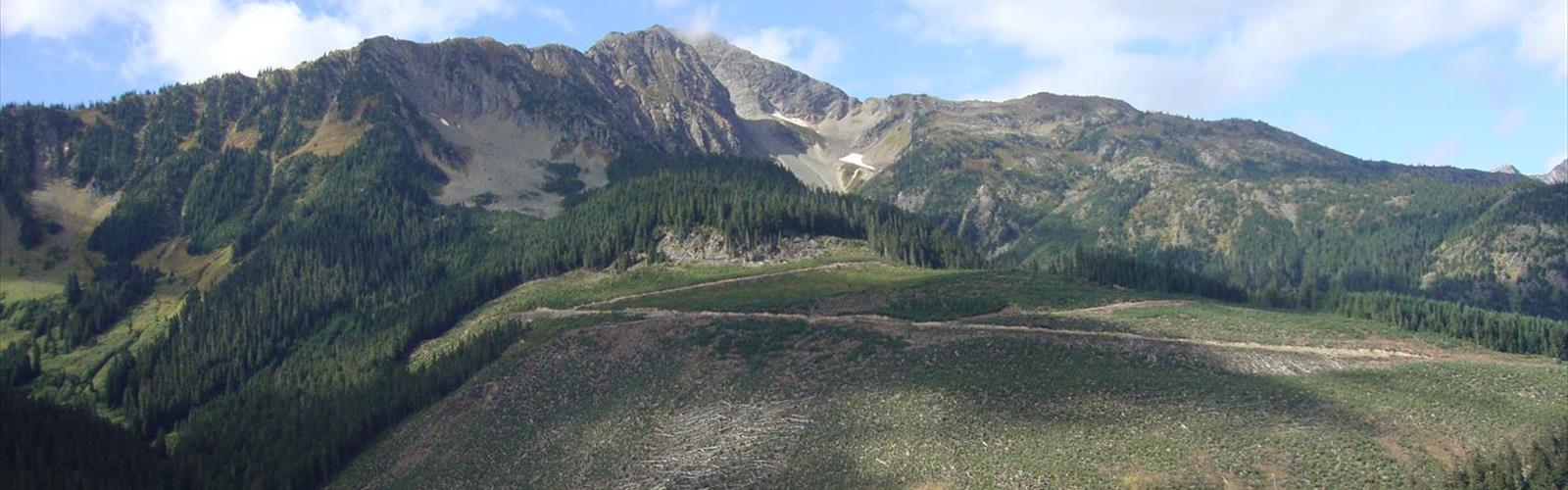
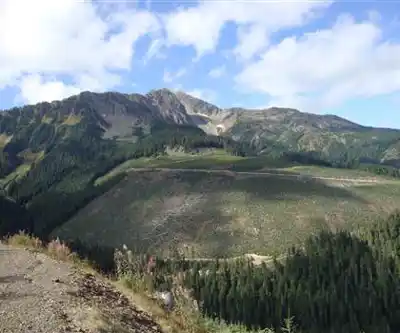
The Mount Outram & Ghostpass Lake Trailhead serves as your gateway to one of the Canadian Rockies' most rewarding alpine adventures. This access point launches you into an 18-kilometer round-trip journey that perfectly showcases the dramatic beauty and diverse ecosystems that make Alberta's mountain wilderness so compelling. What makes this trailhead special is how it connects you to both accessible alpine lake scenery and challenging summit terrain, all from a single starting point.
The trail system here offers flexibility that appeals to different hiking goals and abilities. Many visitors focus on reaching Ghostpass Lake, which provides spectacular alpine scenery without requiring technical climbing skills. More ambitious hikers can continue to Mount Outram's 2,461-meter summit for panoramic views that stretch across multiple mountain ranges. This dual-destination setup means you can adjust your plans based on conditions, energy levels, and available time.
Trail Character and Terrain
From the trailhead, you'll immediately enter dense evergreen forest dominated by towering spruce and fir trees. The trail maintains a steady upward grade through this lower section, providing excellent warm-up terrain as your legs adjust to the day's climb ahead. The forest floor stays cool and damp even during warm weather, and the air carries that distinctive mountain freshness that signals you've left the everyday world behind.
This forested approach serves as more than just a pathway to higher terrain—it's habitat for diverse mountain wildlife. Deer frequently browse near the trail, especially during early morning and evening hours. Black bears also use this corridor, making proper food storage and awareness essential throughout your hike. The dense canopy creates ideal conditions for smaller wildlife too, and you'll often hear the chatter of squirrels and calls of various mountain bird species as you climb.
As elevation increases, the forest character gradually shifts. Trees become smaller and more scattered, and you'll start catching glimpses of the peaks ahead through openings in the canopy. This transition zone offers your first hints of the alpine environment waiting above, and during summer months, wildflowers begin appearing in the understory, adding splashes of color against the dark forest backdrop.
The real transformation happens when you break through treeline into open alpine meadows. Here the trail becomes more exposed, but the views expand dramatically in compensation. Rolling meadows stretch toward rocky peaks, and during peak season—typically July through August—these areas come alive with alpine wildflower displays. The contrast between delicate blooms and rugged mountain faces creates some of the most photogenic scenery you'll find in the Rockies.
Ghostpass Lake Experience
Ghostpass Lake represents the natural destination for many hikers launching from this trailhead. Nestled in a cirque surrounded by towering peaks, this alpine lake embodies the pristine mountain wilderness that draws people to the Canadian Rockies. The water creates mirror-like reflections of surrounding cliffs and sky, with scenes that shift and change throughout the day as light moves across the peaks.
The lake setting provides multiple spots for rest and lunch breaks, with rocky outcrops serving as natural benches. The tranquil atmosphere invites lingering—many hikers find themselves spending far longer here than originally planned, simply absorbing the mountain solitude and dramatic scenery. The contrast between serene water and imposing surrounding peaks creates a sense of scale that's both humbling and inspiring.
Water temperature remains cold throughout the hiking season, though on particularly hot days, some adventurous visitors do take quick dips. The alpine setting means weather can change rapidly, so even summer visits might encounter cool temperatures and sudden afternoon storms that transform the lake's character completely.
Mount Outram Summit Option
For hikers seeking additional challenge and reward, the continuation to Mount Outram's summit transforms a great hike into an exceptional mountain experience. The summit push involves steeper grades and more technical terrain, but the payoff justifies the extra effort required.
From the summit at 8,074 feet, panoramic views stretch across multiple mountain ranges, providing perspective on the vast scale of the Canadian Rockies. On clear days, visibility extends for dozens of kilometers in every direction, revealing peak after peak receding into the distance. This vantage point delivers the kind of 360-degree mountain views that create lasting memories and justify the long approach from the trailhead.
The summit terrain requires more careful footing than the lake approach, with loose rock sections and steeper grades demanding attention. However, the technical difficulty remains within the abilities of most experienced day hikers who come properly prepared.
Seasonal Considerations and Planning
Timing plays a crucial role in both trail conditions and overall experience when starting from this trailhead. The optimal hiking window runs from late June through early September, when snow has cleared from higher elevations and weather patterns are most stable. Early season visits might encounter snow patches near the lake and on the summit approach, while late season brings the possibility of early winter storms.
July and August offer the most reliable conditions and peak wildflower displays in the alpine meadows, but also bring the heaviest trail traffic. September provides excellent hiking with fewer crowds and the added bonus of fall colors in the lower elevations, though weather becomes less predictable as autumn progresses.
Proper preparation proves essential for this moderately challenging route. Sturdy hiking boots provide necessary ankle support and traction on the varied terrain you'll encounter. The significant distance and elevation gain demand adequate water supplies—plan on at least two liters per person, more on hot days or if continuing to the summit.
Mountain weather changes rapidly, making layered clothing systems crucial for any hike from this trailhead. Even summer days can turn cold quickly, especially at higher elevations and if clouds move in. Pack insulating layers, rain protection, and extra clothing beyond what conditions suggest when you start your hike.
The Leave No Trace principles take on special importance in these pristine alpine environments accessible from the trailhead. Pack out all trash, stay on established trails to protect fragile alpine vegetation, and respect wildlife by maintaining appropriate distances and storing food properly throughout your mountain adventure.
The Essential Hiking Checklist
Everything you need for your next hike. Bilingual, printable, 1 page.
Get your free hiking checklistRecommended gear for this trail
As an Amazon Associate I earn from qualifying purchases.


Ready to go?
Everything you need to know before you goStarting Point
The mount outram & ghostpass lake trailhead is located in Alberta. To get to the start of the trails, take Highway 40 east from Calgary to the Ghost River Valley. Turn left onto the Forestry Trunk Road and drive for about 15 km until you reach the trailhead parking lot on your right.
When?
How much?
As an Amazon Associate I earn from qualifying purchases.
Affiliate links — LGPO may earn a commission at no extra cost to you.
- Hiking shoes Essential
- → Salomon Elixir Tour Mid WP · 203.38 $
- Layered clothing Essential
- Rain jacket Essential
- Trekking poles
- → Black Diamond Trail Ergo Cork · 69.99 $
- Headlamp
- → Petzl Actik Core 625 · 103.95 $
FAQ - Frequently asked questions
Everything you need to knowSimilar hikes nearby
Discover other trails you might enjoy
Fossil Mountain
Canadian Rockies

Snake Indian Mountain
Canadian Rockies
Mushroom Peak
Canadian Rockies
Mount Woolley
Canadian Rockies
Stutfield Peak
Canadian Rockies
Mount Sarbach
Canadian Rockies
Hiking near Vancouver
235 trails to explore ~141 km away
We work hard to provide the most up-to-date and error-free data possible. If something seems incorrect, let us know! Your contribution helps the whole community.
Hikers' opinions
Be the first to review!
No hiker has shared their experience yet. Share your impressions and help other hikers!