
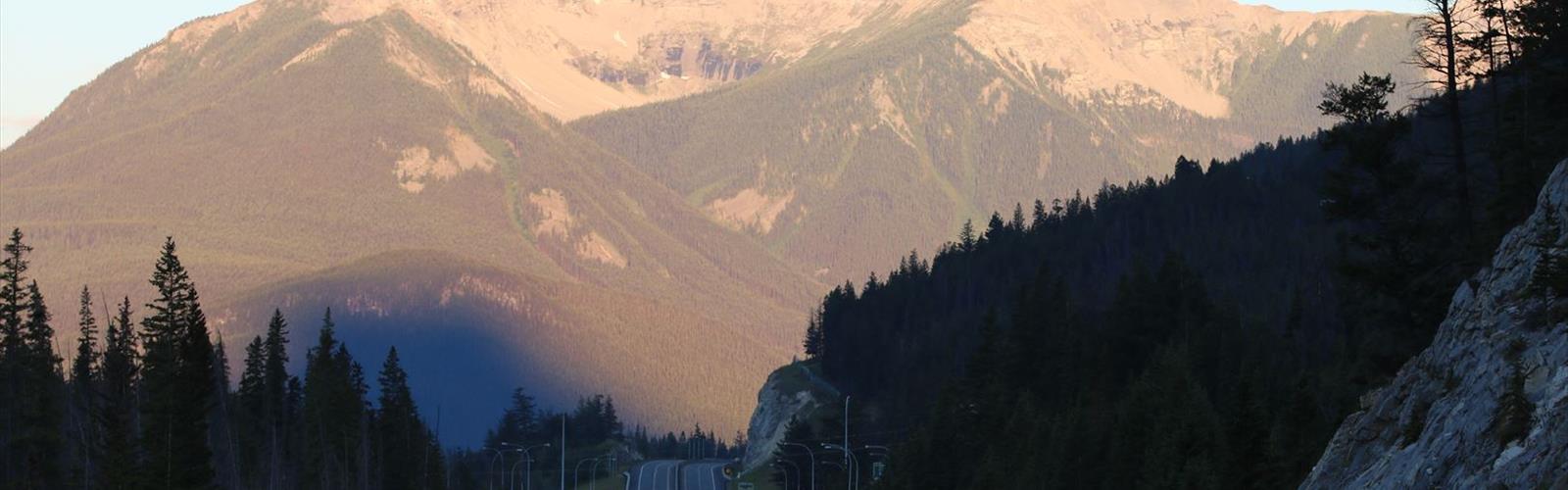

Ready to explore Mount Richardson? Here's everything you need to know before you go!
Discover the trail
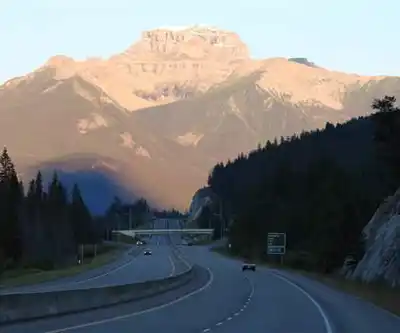
Photos: Thank you for visiting my page from Canada — CC BY 2.0 (Wikimedia Commons)
Trail description
Mount Richardson stands as the highest peak in the Skoki area near Banff National Park, offering a rewarding alpine experience for intermediate and advanced hikers. This mountain delivers an authentic wilderness experience with well-defined trails, diverse terrain transitions, and spectacular panoramic views of the Canadian Rockies and surrounding peaks.
What distinguishes Mount Richardson is its combination of accessible trail infrastructure with genuine alpine challenge. The mountain's terrain shifts dramatically as you gain elevation, starting in dense montane forests of spruce and fir before opening into expansive alpine meadows. The well-marked trails ensure you can focus on the scenery and safety while managing the significant elevation gain over a relatively short distance.
The Hiking Experience
The ascent of Mount Richardson takes you through distinct ecological zones. The initial forest section provides steady climbing through thick stands of spruce and fir, where the trail winds between massive tree trunks and over root systems. This lower section offers welcome shade on hot days and protection from wind, though it can retain moisture longer after rain or snowmelt.
As you climb higher, the forest begins to thin and views start to unfold. The transition zone between forest and alpine terrain provides the first glimpses of panoramic vistas. Here, the trail often crosses small streams and seasonal waterfalls that add both beauty and practical water sources.
The alpine meadows represent the crown jewel of the Mount Richardson experience. These open expanses provide unobstructed views of surrounding peaks and valleys. The meadows serve as prime habitat for mountain wildlife, making them excellent spots for observation.
Mount Richardson provides a substantial workout that will challenge hikers with intermediate-to-advanced fitness. The elevation gain of 1,040m over 3.2km represents an average gradient of approximately 32%, making this a serious alpine undertaking. The steady climb allows hikers to find their rhythm and maintain it throughout, but adequate fitness is essential.
Trail Characteristics and Terrain
The trail to Mount Richardson's summit showcases the incredible diversity of the Canadian Rockies. Starting from the trailhead, you'll encounter well-defined paths maintained to handle the mountain's popularity while preserving landscape character. The lower sections wind through dense forest creating a cathedral-like atmosphere, with filtered sunlight creating dramatic patterns on the forest floor.
As elevation increases, the trail character evolves from soft forest duff to more rocky terrain providing better footing but demanding greater attention. Middle sections feature exposed roots and occasional rock steps adding variety. These features have been worn smooth by weather and foot traffic, creating a trail surface that feels both wild and welcoming.
The final approach opens into the alpine zone where the trail becomes less defined but more spectacular. Cairns and natural landmarks guide the way across meadows and rocky outcrops with increasingly dramatic views.
Wildlife and Natural Features
Mount Richardson's diverse habitats support wildlife including deer in forested sections, marmots in alpine meadows, and various bird species throughout elevations. Bear encounters, while uncommon, do occur, making proper food storage and awareness essential. The mountain's geological features tell the story of the Canadian Rockies' formation through exposed rock faces and distinctive layering visible throughout the climb.
Seasonal Considerations
Mount Richardson transforms with seasons, offering distinct experiences from late spring through early fall. Prime hiking season provides mild weather and vibrant trail conditions. Late spring brings waterfalls at peak flow but muddy conditions and possible snow patches at higher elevations. Summer offers stable weather and longest days. Early fall provides crisp air and brilliant alpine vegetation colors with reduced crowds.
Winter transforms Mount Richardson into a snowshoeing destination, though winter visitors need appropriate gear and alpine experience for safe travel.
Access and Practical Information
Mount Richardson is accessed via the Skoki area trailhead near Banff. Multiple route options exist: the 3.2 km ascent with 1,040m elevation gain represents the steeper direct approach, while alternative routes from Hidden Lake Campground offer 7-14 km distances with varying elevation profiles. Trailheads offer parking accommodating the mountain's popularity without overcrowding issues found at some regional destinations.
Preparation and Safety
Success on Mount Richardson requires preparation matching the mountain's significant demands. The steep elevation gain demands excellent fitness and mountain experience. Layered clothing systems are essential given the ever-changing Canadian Rockies climate. Water requirements are significant given elevation gain and alpine exposure. The mountain's length and elevation gain demand appropriate nutrition with energy-dense snacks maintaining performance throughout the climb.
Following Leave No Trace principles preserves Mount Richardson's pristine environment for future explorers while protecting the wildlife calling this mountain home. Proper navigation, weather awareness, and bear safety protocols are essential for safe and enjoyable mountaineering.
The Essential Hiking Checklist
Everything you need for your next hike. Bilingual, printable, 1 page.
Get your free hiking checklistRecommended gear for this trail
As an Amazon Associate I earn from qualifying purchases.


Ready to go?
Everything you need to know before you goStarting Point
The mount richardson trailhead is located on the east side of Highway 40, approximately 9 km south of the Trans-Canada Highway.
When?
How much?
As an Amazon Associate I earn from qualifying purchases.
Affiliate links — LGPO may earn a commission at no extra cost to you.
- Hiking shoes Essential
- → Salomon Elixir Tour Mid WP · 203.38 $
- Layered clothing Essential
- Rain jacket Essential
- Trekking poles
- → Black Diamond Trail Ergo Cork · 69.99 $
- Headlamp
- → Petzl Actik Core 625 · 103.95 $
FAQ - Frequently asked questions
Everything you need to knowSimilar hikes nearby
Discover other trails you might enjoy
Fossil Mountain
Canadian Rockies

Snake Indian Mountain
Canadian Rockies
Mushroom Peak
Canadian Rockies
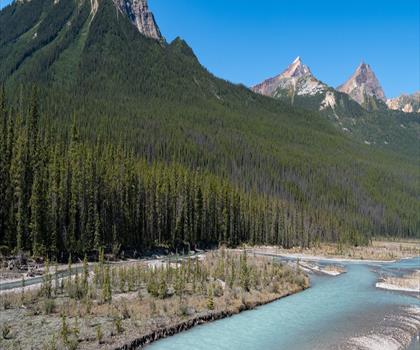
Mount Woolley
Canadian Rockies
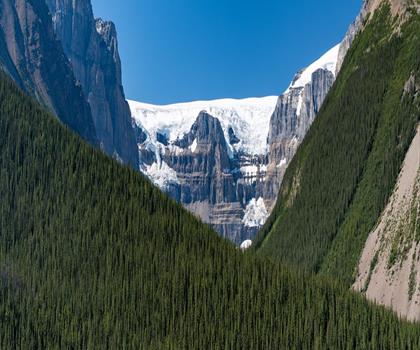
Stutfield Peak
Canadian Rockies
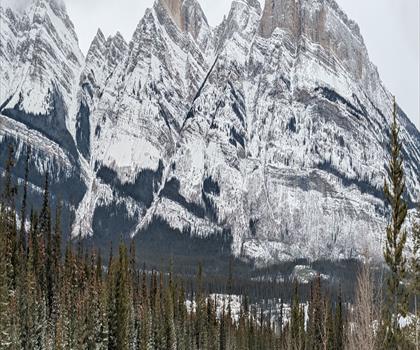
Mount Sarbach
Canadian Rockies
Hiking near Banff
187 trails to explore ~52 km away
We work hard to provide the most up-to-date and error-free data possible. If something seems incorrect, let us know! Your contribution helps the whole community.
Hikers' opinions
Be the first to review!
No hiker has shared their experience yet. Share your impressions and help other hikers!