


Ready to explore Mount Rundle? Here's everything you need to know before you go!
Discover the trail
Trail description
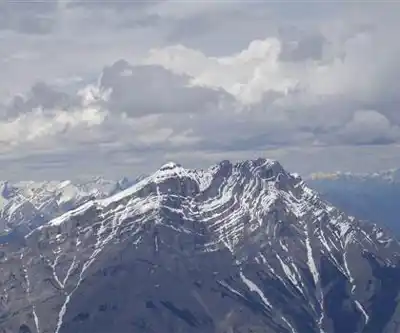
Mount Rundle stands as one of Banff National Park's most recognizable landmarks, its distinctive layered ridgeline stretching over 12 kilometres along the south side of the Trans-Canada Highway from Banff to Canmore. Originally known by the Cree as Waskahigan Watchi, meaning "house mountain," this imposing massif was renamed in 1858 by explorer John Palliser to honor Reverend Robert Rundle, a Methodist missionary who worked with the Hudson's Bay Company in western Canada during the 1840s. Rundle introduced syllabics—a written language system for the Cree—as part of his missionary efforts, though he only visited the local Stoney-Nakoda people twice, in 1844 and 1847.
Rather than a single peak, Mount Rundle functions as a small mountain range with seven distinct summits rising from the Bow Valley floor. The third peak southeast of Banff reaches the highest elevation at 9,675 feet (2,949 meters), making it the primary destination for most hikers tackling this challenging ascent. The eastern terminus, known locally as EEOR (East End of Rundle), rises dramatically above Whiteman's Gap just south of Canmore, west of the Spray Lakes road. As part of the South Banff Ranges alongside the Sundance Range, Sulphur Mountain, and the Goat Range, Mount Rundle represents some of the most accessible yet demanding hiking in the Canadian Rockies.
The Hiking Experience
The 14-kilometer round trip to Mount Rundle's summit demands serious preparation and commitment, with 1,400 meters of elevation gain spread over approximately 6.5 hours of hiking. This hard-rated trail attracts experienced hikers seeking one of the Bow Valley's most rewarding viewpoints, but the route's reputation for difficulty is well-earned. The trail begins deceptively gently before launching into relentless switchbacks that test cardiovascular fitness and mental determination.
Early sections wind through dense montane forest, where Douglas fir and lodgepole pine provide welcome shade during the initial climb. The forest floor here stays relatively cool even on hot summer days, though the humidity can be noticeable during the steady upward grind. As elevation increases, the forest gradually thins, revealing glimpses of the Bow Valley spreading below and offering your first real sense of the height you're gaining.
The trail's character shifts dramatically in the upper reaches, where hikers encounter loose scree slopes and exposed limestone ledges that require careful foot placement and steady nerves. This is where many hikers realize they've underestimated the mountain's demands. The limestone composition creates slippery conditions when wet, and the loose rock demands constant attention to footing. Each step needs to be deliberate, especially on the descent when tired legs make mistakes more likely.
The final approach to the summit involves scrambling over rocky terrain with significant exposure, making this section unsuitable for anyone uncomfortable with heights or lacking solid scrambling experience. You'll need to use your hands frequently, and the drop-offs become increasingly dramatic as you near the top. This isn't technical rock climbing, but it's definitely more than just hiking.
Summit Rewards and Views
Reaching Mount Rundle's highest point delivers panoramic views that justify every challenging step of the ascent. The Bow Valley unfolds in spectacular fashion, with the town of Banff appearing miniature far below while the Bow River traces its serpentine path toward Canmore. To the west, the Continental Divide presents an impressive wall of peaks, including Mount Assiniboine on clear days. The Spray Valley stretches southward, while the rolling foothills extend endlessly eastward toward the prairies.
The summit's narrow ridge provides multiple vantage points for photography, though the exposed position demands constant awareness of wind conditions and weather changes. Many hikers find the psychological challenge of the exposed summit as demanding as the physical effort required to reach it. The layered limestone formations tell geological stories spanning millions of years, with fossil remnants occasionally visible in the rock faces.
What makes the view particularly special is the perspective it offers on Banff's geography. You can see how the Bow Valley cuts through the mountains, understand the relationship between the various peaks, and appreciate the scale of the Canadian Rockies in a way that's impossible from valley level. On clear days, the view extends far enough to give you a real sense of the vastness of this mountain landscape.
Weather and Seasonal Considerations
Mount Rundle's hiking season typically runs from late June through early October, though snow can linger on north-facing slopes well into July and return as early as September at higher elevations. Early season conditions often include muddy trails and stream crossings swollen with snowmelt, while late season brings the risk of sudden weather changes and icy conditions on exposed rock.
Summer thunderstorms frequently develop in the afternoon, making early morning starts essential for safety. The exposed nature of the upper mountain makes lightning strikes a genuine concern, and hikers caught above treeline during electrical activity face serious danger. Weather can change incredibly quickly up there—you might start in sunshine and find yourself in cloud, wind, and even snow within an hour or two.
Winter conditions transform Mount Rundle into a technical mountaineering objective requiring specialized equipment and avalanche knowledge. The mountain's popularity with backcountry skiers and snowboarders reflects its steep terrain and reliable snow conditions, but these activities demand advanced skills and proper avalanche safety training.
Planning Your Hike
The trailhead provides limited parking that fills quickly during peak summer months, particularly on weekends. Starting before dawn helps secure parking and avoids afternoon weather risks, though hikers should carry headlamps for early departures. The trail receives heavy use despite its difficulty, and erosion concerns have led to ongoing maintenance efforts and occasional temporary closures.
Water sources exist along the lower portions of the route, but become unreliable higher up, making adequate hydration planning crucial for the long day ahead. Carry more water than you think you'll need—the sustained effort and often dry conditions mean you'll go through fluids faster than expected. The physical demands of this hike cannot be overstated, and many underestimate the sustained effort required for the elevation gain and the additional challenge of the descent on tired legs.
Emergency preparedness takes on added importance given the remote upper sections and potential for weather-related complications. Cell phone coverage remains spotty throughout much of the route, and rescue operations can be complicated by the technical terrain near the summit. Hikers should inform others of their plans and carry appropriate emergency equipment including first aid supplies, emergency shelter, and signaling devices.
Recommended gear for this trail
As an Amazon Associate I earn from qualifying purchases.


Ready to go?
Everything you need to know before you goStarting Point
To access the hiking trails, you can start at the main trailhead located at the Spray Lakes Road (Smith-Dorrien Trail) parking area. The address for this trailhead is Spray Lakes Road, Canmore, AB T1W 3J8, Canada. Another possible starting point is from the Banff side, where you can park at the Bow River Bridge parking lot in Banff, AB T1L 1K2, Canada. Both locations provide convenient access to the trails.
When?
How much?
As an Amazon Associate I earn from qualifying purchases.
Affiliate links — LGPO may earn a commission at no extra cost to you.
- Hiking shoes Essential
- → Salomon Elixir Tour Mid WP · 203.38 $
- Layered clothing Essential
- Rain jacket Essential
- Trekking poles
- → Black Diamond Trail Ergo Cork · 69.99 $
- Headlamp
- → Petzl Actik Core 625 · 103.95 $
FAQ - Frequently asked questions
Everything you need to know
25 hikes under 2 hours from Montreal
Distance, elevation, parking and season for each one. The ones we go back to ourselves.
Get the guideSimilar hikes nearby
Discover other trails you might enjoy
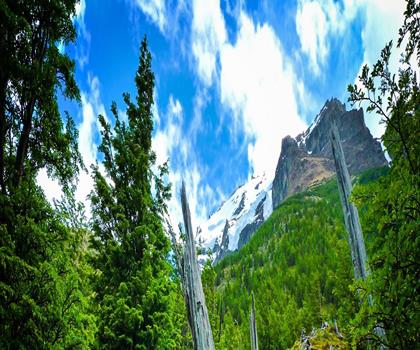
Fossil Mountain
Canadian Rockies

Snake Indian Mountain
Canadian Rockies
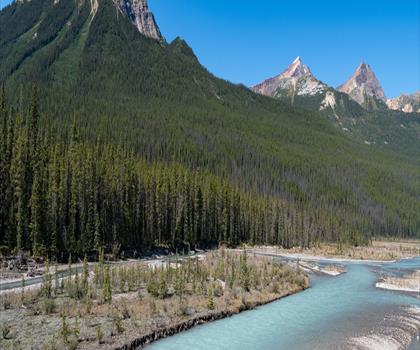
Mushroom Peak
Canadian Rockies
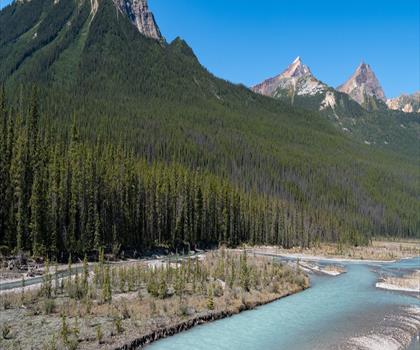
Mount Woolley
Canadian Rockies
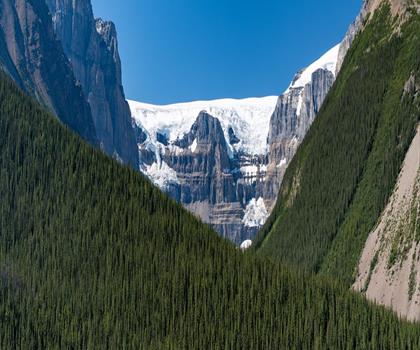
Stutfield Peak
Canadian Rockies
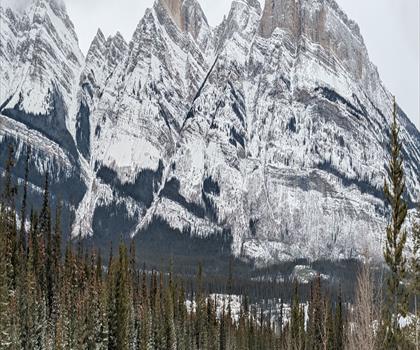
Mount Sarbach
Canadian Rockies
Hiking near Banff
187 trails to explore ~9 km away
We work hard to provide the most up-to-date and error-free data possible. If something seems incorrect, let us know! Your contribution helps the whole community.
Hikers' opinions
Be the first to review!
No hiker has shared their experience yet. Share your impressions and help other hikers!