
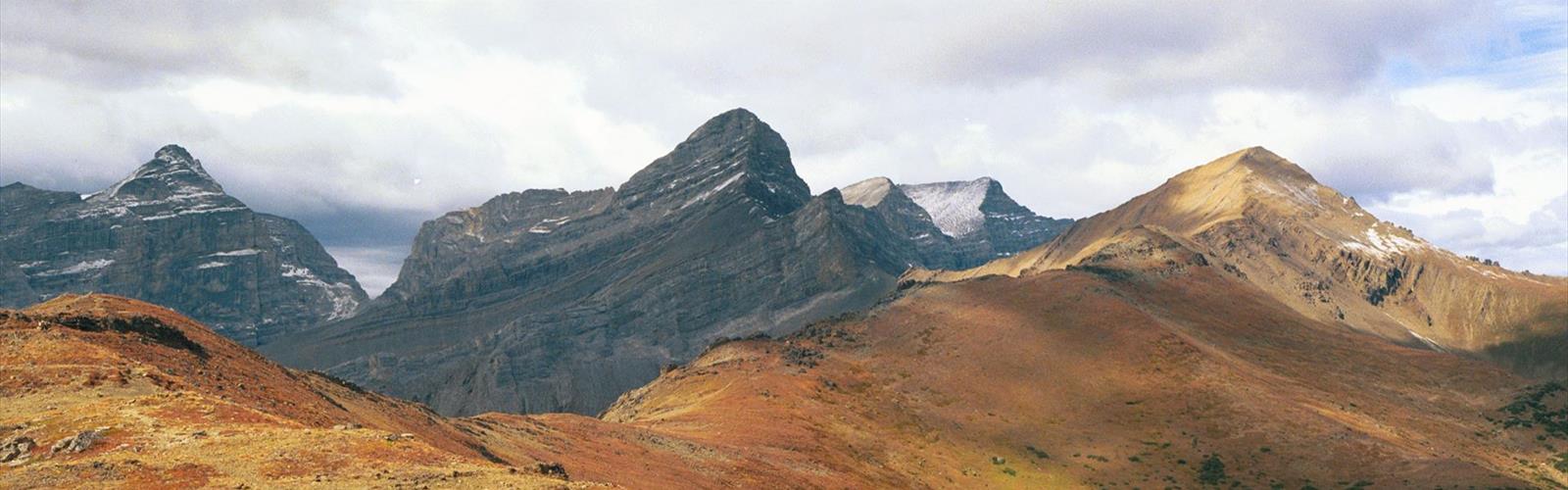

Ready to explore Mount Rutherford? Here's everything you need to know before you go!
Discover the trail
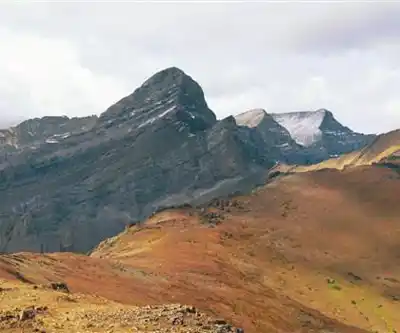
Trail description
Mount Rutherford sits in the northern reaches of the Canadian Rockies in Alberta, offering a genuine mountain experience that rewards hikers willing to put in the work. At 22 km with 2,847 m of elevation gain, this is a serious day out — the kind that earns its views. The estimated 10-plus hours on trail means an early start isn't optional, it's mandatory.
What makes Mount Rutherford worth the effort is the range of terrain you move through on the way up. The mountain takes you from shaded coniferous forest through open subalpine meadows and eventually onto exposed ridgelines and rocky summit terrain. Each zone feels distinct, and the transition between them gives the hike a natural rhythm that keeps things interesting even when your legs are telling you otherwise.
The Climb
The lower slopes are covered in dense lodgepole pine and spruce, which keeps things cool and shaded through the first few hours of climbing. The forest trail is well-established with solid footing, though spring snowmelt and heavy rain can leave muddy stretches that slow you down. Roots and occasional rocky steps are part of the deal — nothing technical, but worth paying attention to.
As you gain elevation, the forest starts to thin and the terrain opens up. This middle section is where the trail gets rockier and the grade steepens. Loose scree begins to appear, particularly on the upper routes, and the exposure to wind and weather increases noticeably once you leave the tree canopy behind. This is also where the views start opening up across the surrounding valley systems, which does a lot to keep morale up.
Above treeline, Mount Rutherford shows its full character. The terrain is rugged, the footing demands focus, and the summit approach involves scrambling over loose rock on exposed sections where route-finding matters. The payoff is a genuine 360-degree panorama across northern Alberta's mountain landscape — the kind of view where you can trace valley systems, spot distant peaks, and feel the full scale of the Rockies around you.
Trail Options
The Rutherford Ridge Trail is the mountain's moderate route and a strong choice for hikers who want real elevation and solid views without committing to the full summit push. The trail follows a clear path through mixed forest before breaking out onto the ridge, where the views across the valley floor and surrounding peaks open up properly. The ascent is steady and consistent — challenging enough to feel earned, but not the kind of relentless grind that leaves you wrecked. Wildlife sightings are common along the ridge, particularly deer and elk in the early morning and late afternoon hours.
The Summit Challenge is where Mount Rutherford gets serious. This route extends beyond the ridge trail and pushes into increasingly demanding terrain toward the true summit. The final approach requires scrambling and careful foot placement on loose, exposed rock. Navigation skills matter here — above treeline, the path becomes less obvious and route-finding becomes part of the challenge. The summit itself feels genuinely remote, which is part of what makes it worth the extra effort.
The Wildflower Walk covers the mountain's lower elevations and operates on a completely different scale. This easy route meanders through subalpine meadows during peak blooming season, typically late June through August, when Indian paintbrush, lupine, and mountain aster are in full display. It's a good option for families with younger kids or anyone who wants a relaxed morning in the mountains without a major physical commitment. Early starts often turn up deer feeding in the meadows.
Conditions and Hazards
Mountain weather in the Canadian Rockies moves fast. A clear morning can turn into a cold, windy afternoon with limited visibility in a matter of hours, and afternoon thunderstorms are a real and serious hazard during summer. The summit and upper ridge areas are fully exposed to whatever the weather decides to do, which means you need to be off the high terrain well before the afternoon storm window opens.
The hiking season runs roughly from late May through early October. Spring means muddy trails and unstable snow patches at elevation. Fall brings the risk of early winter storms arriving with little warning. Summer offers the most reliable conditions but also the highest thunderstorm risk. Whatever the season, conditions at the summit can be significantly worse than what you're seeing at the trailhead.
What to Bring
Given the distance, elevation gain, and exposure on this route, gear choices matter. Sturdy hiking boots with ankle support and solid traction are essential — trail runners are undersized for the upper terrain on the Summit Challenge. Layered clothing is non-negotiable; temperatures drop significantly with elevation and wind chill on the exposed sections can be brutal even in July. Bring more food and water than you think you need, because a 10-plus hour day in the mountains has a way of consuming both faster than expected.
Navigation tools are worth carrying on the Summit Challenge route, where the trail becomes less defined above treeline. A map and compass or a GPS device with the route loaded gives you a meaningful safety margin if visibility drops or you need to make decisions quickly about your line.
Leave No Trace
Mount Rutherford's relatively uncrowded character is worth protecting. Pack out everything you pack in, stay on established trails to limit erosion on the fragile alpine terrain, and give wildlife the space they need — especially in the meadow areas where animals are often feeding close to the trail. The mountain's condition reflects the habits of the people who visit it, and keeping those habits good ensures it stays worth coming back to.
The Essential Hiking Checklist
Everything you need for your next hike. Bilingual, printable, 1 page.
Get your free hiking checklistRecommended gear for this trail
As an Amazon Associate I earn from qualifying purchases.


Ready to go?
Everything you need to know before you goStarting Point
The mount rutherford trails are located in the town of Nordegg, Alberta. To get to the start of the trails, take Highway 11 west from Edmonton to Nordegg. Turn left onto the Forestry Trunk Road and drive for about 5 km until you reach the trailhead parking lot.
When?
How much?
As an Amazon Associate I earn from qualifying purchases.
Affiliate links — LGPO may earn a commission at no extra cost to you.
- Hiking shoes Essential
- → Salomon Elixir Tour Mid WP · 203.38 $
- Layered clothing Essential
- Rain jacket Essential
- Trekking poles
- → Black Diamond Trail Ergo Cork · 69.99 $
- Headlamp
- → Petzl Actik Core 625 · 103.95 $
FAQ - Frequently asked questions
Everything you need to knowSimilar hikes nearby
Discover other trails you might enjoy
Fossil Mountain
Canadian Rockies

Snake Indian Mountain
Canadian Rockies
Mushroom Peak
Canadian Rockies
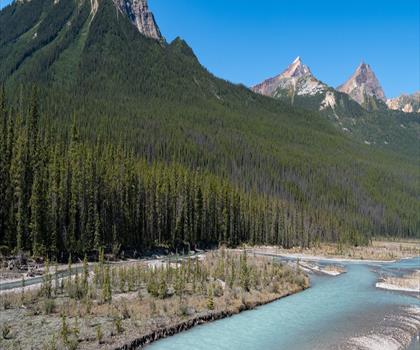
Mount Woolley
Canadian Rockies
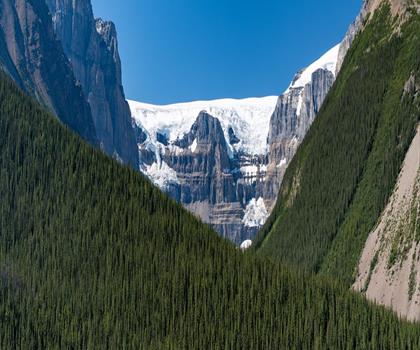
Stutfield Peak
Canadian Rockies
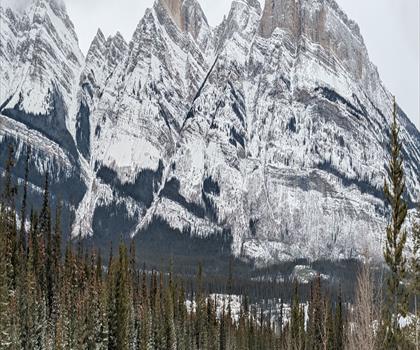
Mount Sarbach
Canadian Rockies
Hiking near Jasper
82 trails to explore ~40 km away
We work hard to provide the most up-to-date and error-free data possible. If something seems incorrect, let us know! Your contribution helps the whole community.
Hikers' opinions
Be the first to review!
No hiker has shared their experience yet. Share your impressions and help other hikers!