
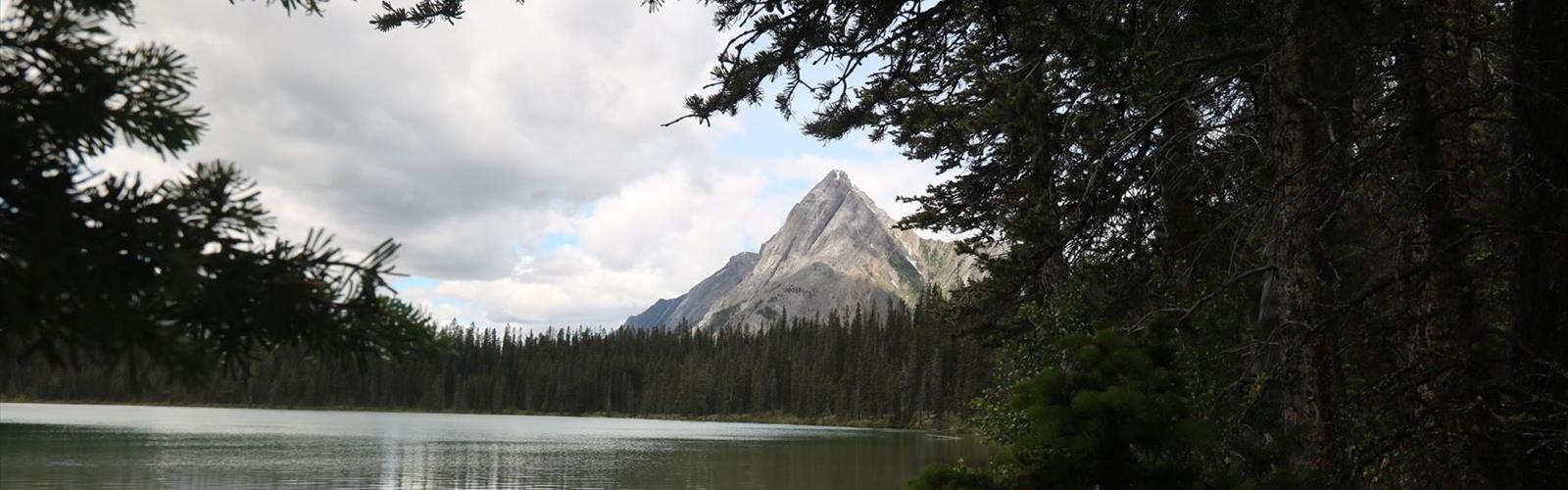

Ready to explore Mount Shark? Here's everything you need to know before you go!
Discover the trail
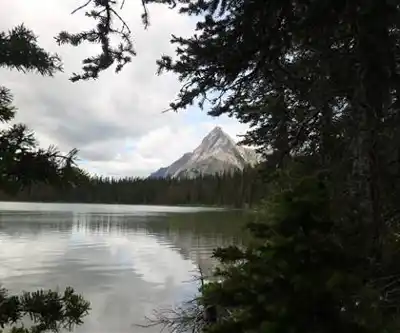
Photos: Thank you for visiting my page from Canada — CC BY 2.0 (Wikimedia Commons)
Trail description
Mount Shark operates as the gateway to some of Kananaskis Country's most rewarding wilderness experiences, tucked into Alberta's Spray Valley Provincial Park about 90 minutes from Calgary. Rather than a single peak to conquer, this area functions as a well-positioned trailhead hub that connects you to pristine backcountry terrain without the crowds you'll encounter in neighboring Banff National Park.
The location sits at a sweet spot in the Spray Valley where the landscape transitions from dense subalpine forest into open meadows and exposed ridgelines. You'll find yourself moving between thick stands of spruce and fir, seasonal wetlands that burst with wildflowers during brief mountain summers, and rocky outcrops that frame views of surrounding peaks. The elevation here creates noticeably different conditions than the valley floor—expect temperatures to run 5-10 degrees cooler and weather to change faster than you might anticipate.
Summer Hiking Routes
Two main trails branch out from the Mount Shark trailhead, each delivering distinctly different experiences depending on your energy level and time available.
The Watridge Lake Trail covers 3.7 kilometers (2.3 miles) of gentle terrain that showcases the area's forest character without demanding serious physical effort. You'll follow well-maintained paths through cathedral-like stands of conifers where sunlight filters down in shifting patterns throughout the day. The route crosses several small creeks on wooden bridges—these can run high and loud during spring snowmelt—and passes through clearings that offer teaser views of the peaks surrounding the valley. Watridge Lake sits in a peaceful basin surrounded by forest, its still waters creating perfect reflections on calm days. The trail stays relatively flat, making it manageable for families with older children, though expect muddy sections, particularly in early summer when snowmelt saturates the forest floor.
The Mount Shark Helipad Trail demands more commitment at 10 kilometers (6.2 miles) round-trip, but rewards that effort with some of the finest panoramic views accessible from this valley. The trail starts in familiar dense forest before climbing steadily through changing terrain zones. As you gain elevation, the forest thins and the path becomes rockier and more exposed, requiring solid footing and steady endurance. The character of the hike shifts dramatically as you emerge from tree cover—suddenly you're moving across open slopes where the scale of the surrounding mountain landscape becomes apparent. The helipad itself provides a logical turnaround point with expansive views across the Spray Valley and multiple mountain ranges stretching to the horizon. On clear days, the vista gives you a genuine sense of the Canadian Rockies' immense scale, though weather can roll in quickly and obscure views without warning.
Winter Cross-Country Skiing
Snow transforms Mount Shark into a completely different destination, with over 40 kilometers (25 miles) of groomed cross-country ski trails that operate as the Mount Shark Cross-Country Ski Area. The winter landscape creates an almost mystical atmosphere where snow-laden trees form natural cathedrals and the usual forest sounds become muffled and distant.
The groomed trail network accommodates every skill level, from gentle loops where beginners can practice basic techniques to more demanding routes that climb through forest and emerge into open areas where snow often glitters under intense mountain sunshine. Trail maintenance typically runs from December through March, with regular grooming that creates excellent conditions for both classic and skate skiing styles. The variety means you can explore different terrain over multiple visits without covering the same ground twice.
This area often receives reliable snowfall due to its elevation and northern exposure, maintaining good skiing conditions even when lower valleys experience warm spells and thaw cycles. The trail system takes advantage of the natural terrain, following summer hiking routes in some areas while creating winter-specific loops that work better for skiing than hiking.
Wildlife and Natural Environment
Mount Shark sits within healthy ecosystem that supports diverse wildlife populations typical of Kananaskis Country's protected landscapes. Deer and elk move through the area regularly, especially during dawn and dusk hours when they travel between feeding and bedding areas. Both black bears and grizzly bears inhabit this region year-round, making proper food storage and wildlife awareness essential skills for any visitor.
The bird life reflects the area's position as a natural corridor through the mountain valleys. During migration periods, you'll encounter everything from small songbirds to larger species like ravens, with occasional sightings of eagles riding thermals above the ridgelines. The mix of dense forest and open meadows creates varied habitat that supports different species throughout the seasons.
Plant communities change noticeably as you move between elevations and exposures. Lower areas feature typical boreal forest species adapted to shorter growing seasons, while higher elevations and exposed areas support hardy alpine plants that can handle harsh conditions and limited growing windows. Summer wildflower displays in meadow areas can be spectacular, though timing depends heavily on snowpack and weather patterns that vary significantly from year to year.
Planning Your Visit
Mountain weather changes rapidly in this area and can catch unprepared visitors in dangerous situations. Summer days that start warm and sunny can turn cold and wet within hours, making layered clothing systems essential rather than optional. The elevation and exposure create conditions that run significantly cooler than nearby valleys, and afternoon thunderstorms develop regularly during summer months with little warning.
Water sources exist along some trails, but treating any natural water source is strongly recommended due to potential contamination from wildlife and runoff. Carrying adequate water becomes particularly important on longer hikes where exertion and elevation increase dehydration risk faster than many people expect.
This area operates under Leave No Trace principles, which takes on special importance given the active wildlife populations. Proper food storage prevents dangerous wildlife encounters while helping maintain natural animal behavior patterns. Pack out all trash and stay on designated trails to minimize impact on fragile mountain ecosystems that recover slowly from damage.
Access to Mount Shark requires driving on gravel roads that can become challenging in wet conditions, and winter access depends on road maintenance schedules that vary with weather conditions and provincial budget constraints.
The Essential Hiking Checklist
Everything you need for your next hike. Bilingual, printable, 1 page.
Get your free hiking checklistRecommended gear for this trail
As an Amazon Associate I earn from qualifying purchases.


Ready to go?
Everything you need to know before you goStarting Point
The mount shark trailhead is located in the Spray Valley Provincial Park, approximately 60 km west of Calgary. From Calgary, take the Trans-Canada Highway (Hwy 1) west to the exit for Hwy 40. Follow Hwy 40 south for approximately 30 km to the junction with Hwy 742. Turn left onto Hwy 742 and follow it for approximately 5 km to the park entrance.
When?
How much?
As an Amazon Associate I earn from qualifying purchases.
Affiliate links — LGPO may earn a commission at no extra cost to you.
- Hiking shoes Essential
- → Salomon Elixir Tour Mid WP · 203.38 $
- Layered clothing Essential
- Rain jacket Essential
- Trekking poles
- → Black Diamond Trail Ergo Cork · 69.99 $
- Headlamp
- → Petzl Actik Core 625 · 103.95 $
FAQ - Frequently asked questions
Everything you need to knowSimilar hikes nearby
Discover other trails you might enjoy
Fossil Mountain
Canadian Rockies

Snake Indian Mountain
Canadian Rockies
Mushroom Peak
Canadian Rockies
Mount Woolley
Canadian Rockies
Stutfield Peak
Canadian Rockies
Mount Sarbach
Canadian Rockies
Hiking near Canmore
200 trails to explore ~29 km away
We work hard to provide the most up-to-date and error-free data possible. If something seems incorrect, let us know! Your contribution helps the whole community.
Hikers' opinions
Be the first to review!
No hiker has shared their experience yet. Share your impressions and help other hikers!