
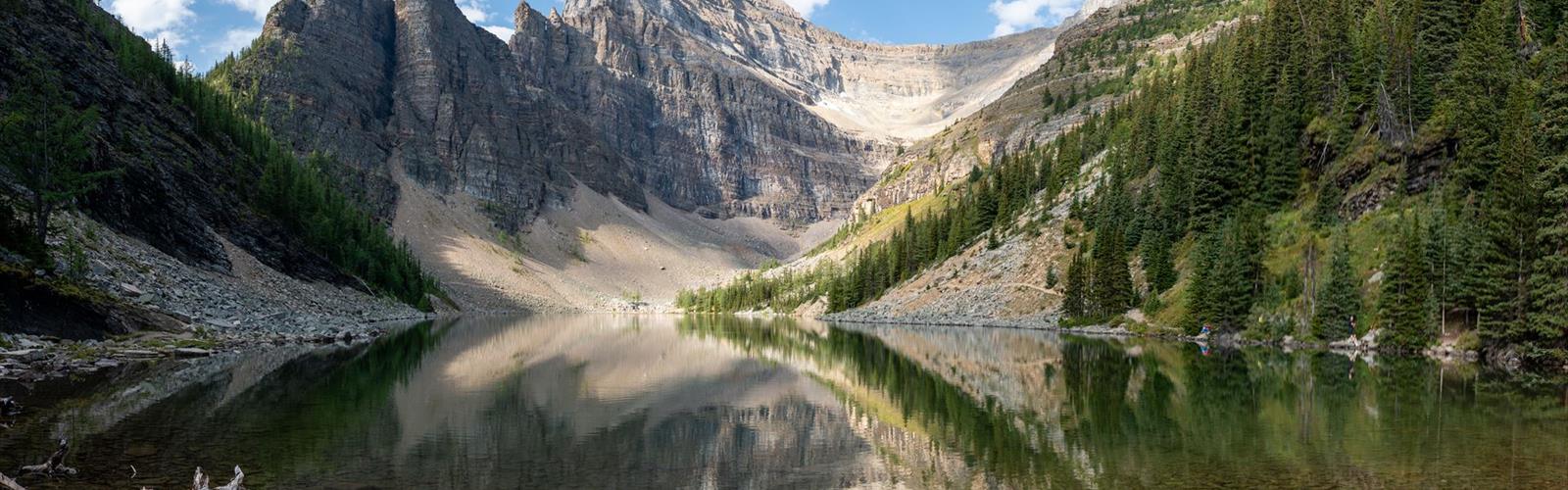

Ready to explore Mount St. Piran? Here's everything you need to know before you go!
Discover the trail
Photos: Christoph Strässler from Oberdorf BL, Schweiz — CC BY-SA 4.0 (Wikimedia Commons)
Trail description
Mount St. Piran rises 2,649 meters (8,691 feet) above sea level in the Canadian Rockies of Alberta, offering one of the region's most rewarding yet relatively quiet hiking experiences. This peak delivers spectacular panoramic views of Lake Louise, the Bow Valley, and the surrounding mountain ranges without the crowds that pack many other trails in the area.
The mountain sits in a prime location that showcases the best of Rocky Mountain scenery. From the summit, hikers gain sweeping vistas that stretch across some of Alberta's most iconic landscapes — the turquoise waters of Lake Louise below, the dramatic peaks framing the Bow Valley, and layer upon layer of mountain ridges extending to the horizon. On clear days, the panorama reveals the intricate geography of this section of the Rockies in stunning detail.
The Trail
The hike covers 3.2 kilometers with an elevation gain of 900 meters, making this a genuinely steep and physically demanding climb despite its relatively short distance. Plan for around 2.5 hours on the trail. The route begins by winding through dense conifer forest where tall trees create a cool, shaded environment even on warm days. As you gain elevation, the forest gradually opens up, revealing glimpses of the peaks ahead and building anticipation for the views to come.
The middle section transitions into alpine meadows where the landscape becomes more open and the mountain environment more pronounced. During the hiking season, wildflowers create vibrant displays across the slopes, painting the mountainsides with colors that contrast beautifully against the rocky peaks and deep blue sky. The alpine environment here feels distinctly different from the forested lower elevations — hardy mountain plants, scattered boulders, and increasingly dramatic views of the surrounding peaks.
The final approach to the summit typically involves some scrambling over rocky terrain, where the trail becomes less defined and hikers need to pick their way carefully across stone and scree. This section requires attention and care, but the summit views justify every step of the effort.
Wildlife
Wildlife encounters add another dimension to the Mount St. Piran experience. Marmots are commonly spotted throughout the alpine sections, often sunning themselves on rocks or calling to each other across the meadows. Mountain goats occasionally appear on the rocky slopes and cliff faces, demonstrating their remarkable ability to navigate seemingly impossible terrain. These sightings are a good reminder that you're moving through habitat that supports some of North America's most impressive mountain wildlife.
What Makes This Hike Stand Out
Mount St. Piran's greatest asset may be its relative solitude compared to other peaks in the region. While trails around Lake Louise and other famous destinations can feel crowded during peak season, Mount St. Piran offers a quieter mountain experience. That solitude allows hikers to truly connect with the alpine environment — hear the natural sounds of the mountains, take in the views without competing for summit space, and move at their own pace without the pressure of a busy trail.
The combination of diverse terrain, excellent views, and peaceful atmosphere creates an ideal mountain outing. The trail provides enough challenge to feel like a genuine alpine adventure while remaining accessible to hikers who have developed solid fitness and outdoor skills.
Best Time to Go
The optimal hiking window runs from late June through early October, when snow has cleared from the trail and weather conditions support safe mountain travel. Early in the season, hikers may encounter snow patches in shaded areas or at higher elevations. Late season brings the possibility of early winter storms, so check conditions before heading out.
Summer months offer the most reliable weather and the best wildflower displays in the alpine meadows, typically peaking in July and August. These same months also provide the longest daylight hours, giving hikers more flexibility in their timing.
Fall hiking — particularly in September and early October — brings different rewards. The changing seasons create beautiful color contrasts, with golden larches and other deciduous vegetation standing out against the evergreen forests and rocky peaks. Weather becomes less predictable during fall, but clear days can offer some of the year's most spectacular visibility.
What to Bring
- Footwear: Sturdy hiking boots with good ankle support are essential for the rocky terrain and uneven surfaces throughout the trail.
- Water: The elevation gain demands adequate hydration — carry more than you think you'll need, especially on warm days.
- Layers: Mountain weather changes quickly and dramatically. Start with moisture-wicking base layers, add insulating layers for warmth, and bring waterproof outer layers for wind and precipitation.
- Early start: Morning departures help hikers avoid afternoon thunderstorms that frequently develop in mountainous regions during summer, and give you more time to enjoy the summit without feeling rushed.
Following Leave No Trace principles helps preserve Mount St. Piran's natural beauty and wildlife habitat — pack out all trash, stay on established trails where they exist, and maintain respectful distances from any wildlife you encounter.
The Essential Hiking Checklist
Everything you need for your next hike. Bilingual, printable, 1 page.
Get your free hiking checklistRecommended gear for this trail
As an Amazon Associate I earn from qualifying purchases.


Ready to go?
Everything you need to know before you goStarting Point
The mount st. piran trailhead is located in the town of Canmore, Alberta. To get there, take the Trans-Canada Highway (Highway 1) to the exit for Highway 40. Head west on Highway 40 and take the first exit for the town of Canmore. Turn left at the stop sign and drive to the end of the road. The trailhead is located in the east end of the town near the Bow River.
When?
How much?
As an Amazon Associate I earn from qualifying purchases.
Affiliate links — LGPO may earn a commission at no extra cost to you.
- Hiking shoes Essential
- → Salomon Elixir Tour Mid WP · 203.38 $
- Layered clothing Essential
- Rain jacket Essential
- Trekking poles
- → Black Diamond Trail Ergo Cork · 69.99 $
- Headlamp
- → Petzl Actik Core 625 · 103.95 $
FAQ - Frequently asked questions
Everything you need to knowSimilar hikes nearby
Discover other trails you might enjoy
Fossil Mountain
Canadian Rockies

Snake Indian Mountain
Canadian Rockies
Mushroom Peak
Canadian Rockies
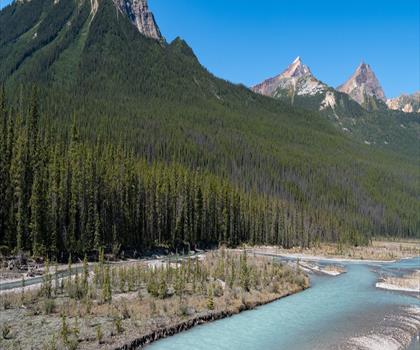
Mount Woolley
Canadian Rockies
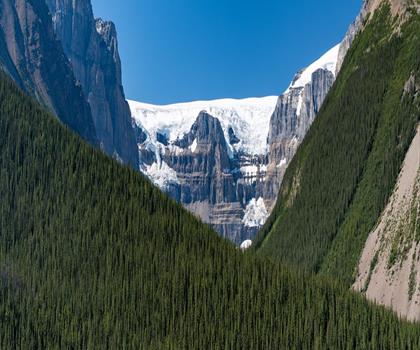
Stutfield Peak
Canadian Rockies
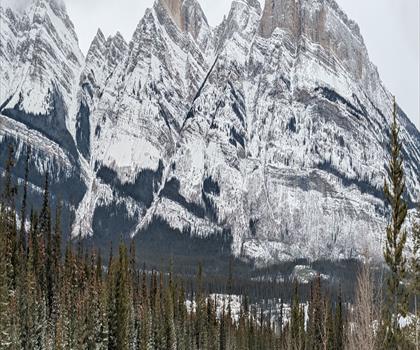
Mount Sarbach
Canadian Rockies
Hiking near Banff
187 trails to explore ~54 km away
We work hard to provide the most up-to-date and error-free data possible. If something seems incorrect, let us know! Your contribution helps the whole community.
Hikers' opinions
Be the first to review!
No hiker has shared their experience yet. Share your impressions and help other hikers!