
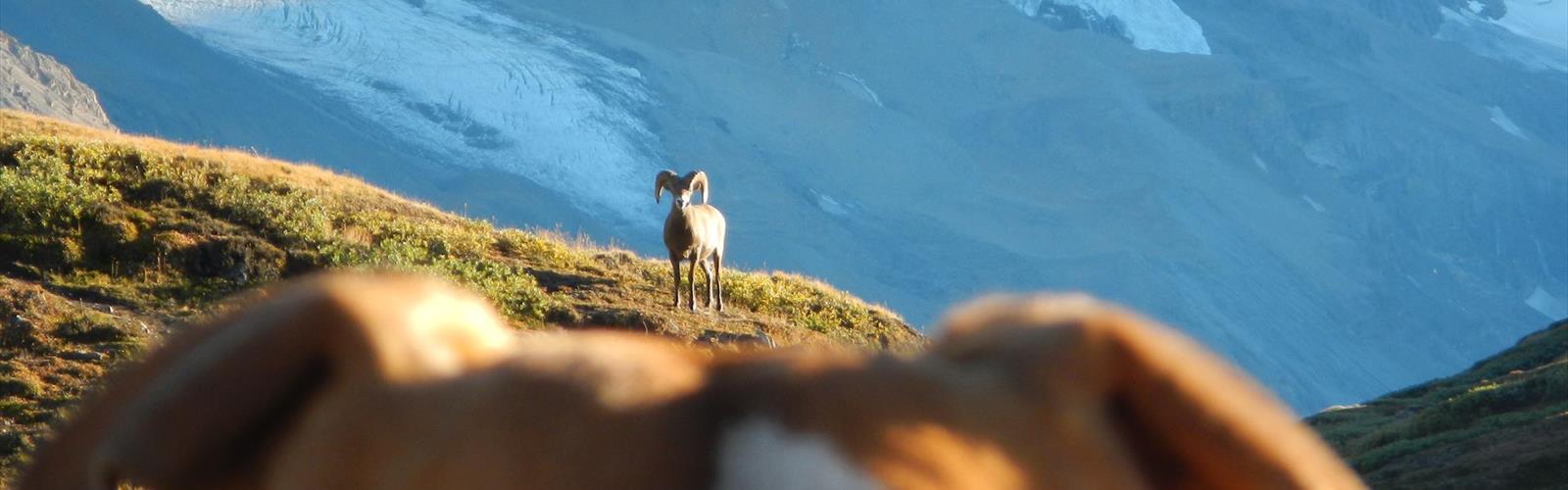

Ready to explore Nigel Peak? Here's everything you need to know before you go!
Discover the trail
Photos: Bureau of Land Management Oregon and Washington — Domaine public (Wikimedia Commons)
Trail description
Nigel Peak rises to 3,211 meters (10,535 feet) in the Canadian Rockies, offering one of the more challenging and rewarding summit hikes accessible from the Icefields Parkway. This prominent peak delivers the kind of high-alpine experience that draws serious hikers back to the Rockies year after year—demanding terrain, diverse ecosystems, and expansive glacier views that few other summits can match.
Getting There and Trailhead Access
Your approach begins along the Icefields Parkway, widely regarded as one of Canada's most scenic mountain drives. The trailhead sits near Wilcox Pass, where you'll find parking and the start of your route toward Nigel Peak. The Icefields Parkway itself sets expectations high, with dramatic mountain vistas and glacier-fed valleys preparing you for the alpine world you're about to enter on foot.
The location puts you in the heart of some of the most accessible high-alpine terrain in the Canadian Rockies, yet Nigel Peak remains less crowded than many of the area's better-known summits. This combination of accessibility and relative solitude makes it particularly appealing for hikers seeking a genuine mountain experience without the crowds.
Trail Character and Terrain
The 13.4-kilometer route to Nigel Peak qualifies as hard difficulty, making it well-suited for experienced hikers ready to tackle serious mountain terrain. With 1,234 meters of elevation gain spread over approximately 5.5 hours of hiking, this isn't a casual day hike—the combination of elevation gain, varied terrain, and potential weather exposure requires solid hiking experience and proper preparation.
As you climb, the trail takes you through distinctly different zones that showcase the diversity of Rocky Mountain ecosystems. You'll start in lower elevations before moving through lush alpine meadows that burst with wildflowers during the brief mountain summer. These meadows give way to increasingly rocky terrain as you gain elevation, eventually leading to the exposed ridges and rocky scrambling that characterize the final approach to the summit.
The terrain variety keeps the hike engaging throughout. Early sections through alpine meadows offer gentler grades and softer footing, while the upper portions demand more technical movement over rock and loose scree. This progression from meadow to ridge walking gives you a comprehensive taste of what makes Rockies hiking so compelling. The final push to the summit involves some scrambling over stable rock, requiring basic mountaineering skills and comfort with exposure.
Wildlife and Natural Features
The diverse elevation zones you'll traverse support an equally diverse range of wildlife. Mountain goats are among the most notable residents, often spotted on the rocky upper slopes and cliff faces where their climbing abilities give them a clear advantage. These sure-footed animals have adapted perfectly to the steep, rocky terrain that defines much of the upper mountain environment.
Marmots also call this region home, and their distinctive whistles often echo across the alpine meadows and rocky slopes. These social animals serve as an early warning system for the mountain ecosystem, alerting other wildlife to potential threats with their sharp calls. Keep an eye out for pikas as well, small rabbit-like creatures that inhabit the rocky talus fields and are often heard before they're seen.
The plant life changes dramatically as you gain elevation. Lower alpine meadows support a rich variety of wildflowers and grasses, while higher elevations feature the hardy, low-growing plants that can survive the harsh conditions of the alpine zone. This botanical progression provides a living lesson in mountain ecology as you climb, with each elevation band supporting its own specialized community of plants adapted to specific conditions.
Summit Experience and Views
Reaching Nigel Peak's summit represents a significant mountaineering achievement. At 3,211 meters, you'll stand well above treeline in the true alpine zone, surrounded by the kind of expansive mountain views that define the Canadian Rockies experience. The panoramic vistas extend across surrounding peaks and glaciers, offering perspectives that stretch to the horizon in multiple directions.
The glacier views from the summit are particularly striking. The Columbia Icefield region's massive ice formations create a dramatic backdrop, reminding you of the powerful geological forces that shaped this landscape. These glacier vistas provide context for understanding the broader ecosystem and the role of ice in carving the dramatic valleys and peaks that surround you.
The summit itself offers ample space to rest, refuel, and take in the views. The rocky peak provides stable footing and multiple vantage points for photography and simply absorbing the mountain environment. On clear days, the visibility extends far enough to encompass multiple mountain ranges and give you a true sense of the scale of the Canadian Rockies. The sense of accomplishment from completing this challenging route adds another layer to the summit experience.
Weather and Seasonal Considerations
Mountain weather conditions can change rapidly and dramatically, making weather awareness crucial for any Nigel Peak attempt. The high elevation and exposed terrain mean you'll be vulnerable to sudden storms, temperature drops, and wind that can create dangerous conditions even on days that start clear and calm.
Checking current weather forecasts before departure is essential, but equally important is monitoring conditions throughout your hike. Mountain weather can develop quickly, and the exposed upper portions of the route offer little shelter from storms or high winds. Being prepared to turn back if conditions deteriorate is a critical safety consideration that could save your life.
The alpine environment means snow can occur even during summer months, and early and late season conditions often include significant snow coverage on upper portions of the route. These seasonal variations affect both the difficulty of the hike and the type of equipment you'll need. Lightning risk becomes a serious concern during afternoon thunderstorms, making early starts particularly important.
Preparation and Equipment
The hard difficulty rating and high-alpine environment demand thorough preparation and appropriate gear. Proper hiking boots with good ankle support are essential for the rocky upper terrain, while layered clothing systems help you adapt to changing temperatures and weather conditions as you gain elevation. A helmet is recommended for the upper scrambling sections where rockfall can be a concern.
Navigation skills become important on the upper portions of the route, where the trail may be less defined and weather can reduce visibility. Carrying appropriate navigation tools and knowing how to use them adds an important safety margin for this type of mountain hiking. GPS devices and detailed topographic maps should be standard equipment.
Water and food planning should account for the full day required for the summit attempt, plus extra supplies for potential delays due to weather or route-finding challenges. The physical demands of the elevation gain and varied terrain mean you'll need more fuel than shorter, easier hikes require. Emergency shelter and first aid supplies become more critical given the remote nature and technical difficulty of this route.
The Essential Hiking Checklist
Everything you need for your next hike. Bilingual, printable, 1 page.
Get your free hiking checklistRecommended gear for this trail
As an Amazon Associate I earn from qualifying purchases.


Ready to go?
Everything you need to know before you goStarting Point
The nigel peak trails are located in the Nigel Creek area, near the town of Canmore, Alberta. To get to the start of the trails, take the Trans-Canada Highway (Highway 1) to the exit for Highway 40. Take Highway 40 south to the junction with Highway 742. Take Highway 742 west to the Nigel Creek parking lot.
When?
How much?
As an Amazon Associate I earn from qualifying purchases.
Affiliate links — LGPO may earn a commission at no extra cost to you.
- Hiking shoes Essential
- → Salomon Elixir Tour Mid WP · 203.38 $
- Layered clothing Essential
- Rain jacket Essential
- Trekking poles
- → Black Diamond Trail Ergo Cork · 69.99 $
- Headlamp
- → Petzl Actik Core 625 · 103.95 $
FAQ - Frequently asked questions
Everything you need to knowSimilar hikes nearby
Discover other trails you might enjoy
Fossil Mountain
Canadian Rockies

Snake Indian Mountain
Canadian Rockies
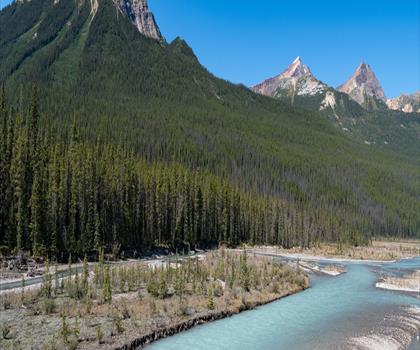
Mushroom Peak
Canadian Rockies
Mount Woolley
Canadian Rockies
Stutfield Peak
Canadian Rockies
Mount Sarbach
Canadian Rockies
Hiking near Jasper
82 trails to explore ~94 km away
We work hard to provide the most up-to-date and error-free data possible. If something seems incorrect, let us know! Your contribution helps the whole community.
Hikers' opinions
Be the first to review!
No hiker has shared their experience yet. Share your impressions and help other hikers!