
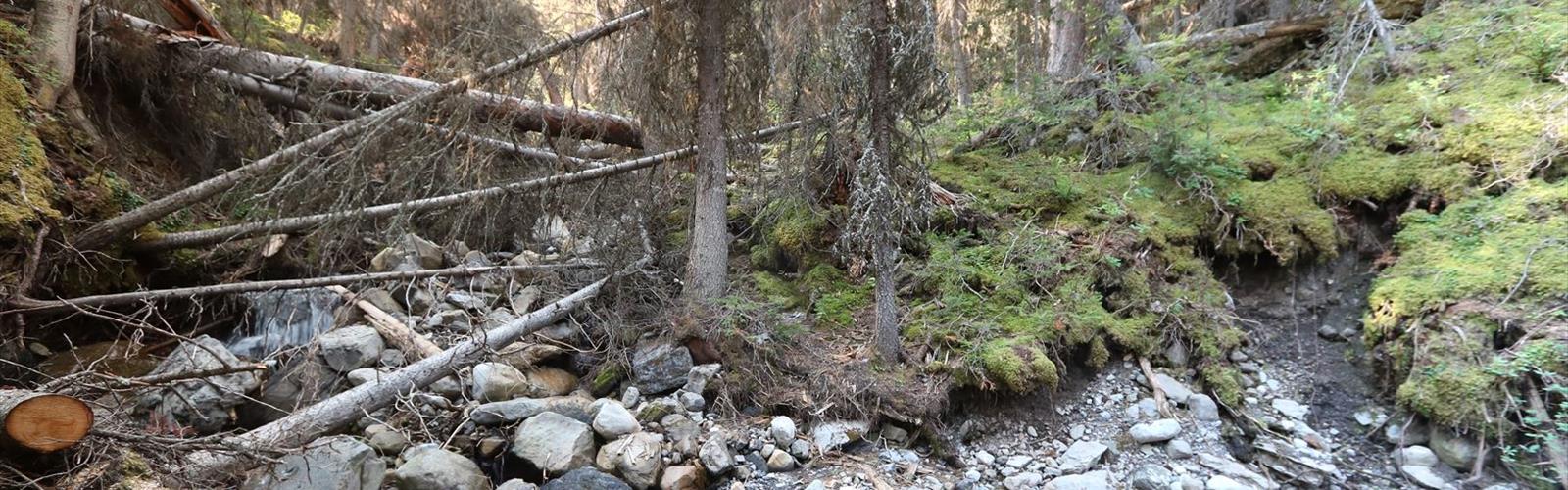

Ready to explore Peter Lougheed Provincial Park? Here's everything you need to know before you go!
Discover the trail
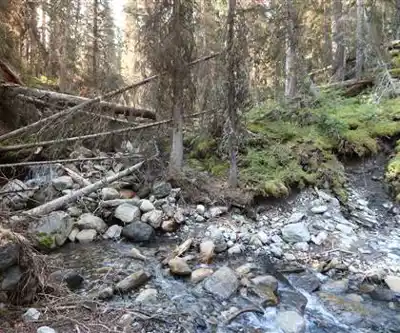
Photos: Thank you for visiting my page from Canada — CC BY 2.0 (Wikimedia Commons)
Trail description
Peter Lougheed Provincial Park sprawls across 508 square kilometers of pristine wilderness in Alberta's Kananaskis Country, forming the largest provincial park in the Canadian Rockies. Located just two hours southwest of Calgary, this mountain sanctuary offers some of the most accessible yet rewarding hiking experiences in the region, with over 200 kilometers of well-maintained trails threading through diverse alpine terrain.
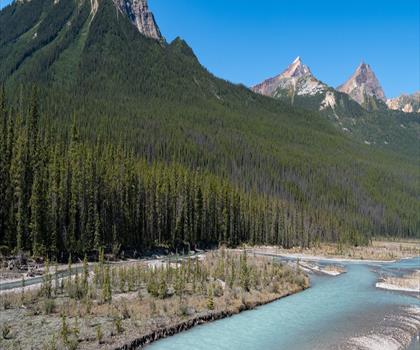
The park sits at the headwaters of the Kananaskis River system, where dramatic limestone peaks rise abruptly from valley floors dotted with turquoise lakes and meandering streams. Unlike the more crowded national parks to the west, Peter Lougheed maintains a quieter atmosphere while delivering equally spectacular mountain scenery. The landscape here shifts dramatically with elevation, from dense montane forests of spruce and fir at lower elevations to open alpine meadows and stark rocky summits above treeline.
Trail Network and Hiking Options
The park's extensive trail system caters to every skill level, from gentle lakeside walks suitable for families to demanding ridge traverses that challenge experienced mountaineers. Most trailheads begin from the main park road or the Upper Kananaskis Lake area, providing convenient access to multiple route options.
Pocaterra Ridge Trail stands out as one of the park's premier hiking experiences, offering a challenging but achievable route to spectacular alpine terrain. The trail climbs steadily through subalpine forest before breaking into open meadows where hikers gain sweeping views across the Bow Valley and surrounding peaks. The ridge walk itself provides 360-degree panoramas of the Continental Divide, with Mount Assiniboine visible on clear days. This trail becomes particularly stunning during late September and early October when the alpine larches transform the landscape into a golden tapestry.
Rawson Lake Trail delivers maximum scenic impact for moderate effort, making it one of the park's most popular destinations. The well-graded path winds through mixed forest before emerging at a pristine alpine lake nestled beneath towering limestone cliffs. The dramatic cirque setting creates perfect acoustics where even whispered conversations echo off the surrounding walls. The lake's turquoise waters remain cold year-round, fed by snowmelt and underground springs, while the surrounding talus slopes often hold snow patches well into summer.
Burstall Pass Trail showcases the park's diverse ecosystems as it transitions from dense forest through open meadows to the stark beauty of the alpine zone. The route follows Burstall Creek through a valley carved by glacial action, with evidence of this geological history visible in the U-shaped profile and scattered erratic boulders. The pass itself opens up views into remote wilderness, with glaciated peaks extending to the horizon. Photographers particularly appreciate the varied compositions available along this route, from intimate creek scenes to sweeping mountain vistas.
Terrain and Geological Features
The park's geology tells the story of ancient seas and massive tectonic forces. Limestone and shale formations dominate the landscape, creating the characteristic layered appearance of the peaks. These sedimentary rocks, laid down millions of years ago when this area lay beneath tropical oceans, now form towering cliffs and knife-edge ridges that define the park's dramatic skyline.
Glacial activity has sculpted much of the current landscape, carving deep valleys and creating the numerous lakes that dot the park. Moraines, cirques, and hanging valleys provide clear evidence of the ice sheets that once covered this region. The park's lakes showcase this glacial heritage, with their distinctive blue-green coloration caused by fine rock flour suspended in the water.
Wildlife and Natural Features
The park supports healthy populations of large mammals typical of the Canadian Rockies ecosystem. White-tailed and mule deer frequent the valley bottoms, while moose browse in wetland areas near the lakes. Black bears and the occasional grizzly bear traverse the park's backcountry, particularly during berry season in late summer. Mountain goats inhabit the highest elevations, often visible as white specks on distant cliff faces.
Birdlife varies dramatically with elevation and season. Clark's nutcracker and gray jay inhabit the subalpine zones, while ptarmigan and rosy-crowned rosy-finches occupy the alpine areas above treeline. Golden eagles and red-tailed hawks patrol the valleys, riding thermals that develop along the mountain slopes. During migration periods, the park's lakes attract various waterfowl species seeking rest stops along their seasonal journeys.
The park's plant communities reflect its elevation gradients and varied microclimates. Lower elevations support dense forests of Engelmann spruce, subalpine fir, and lodgepole pine. As elevation increases, these give way to krummholz formations where trees grow in twisted, wind-sculpted forms. Above treeline, alpine meadows burst with wildflowers during the brief summer growing season, including mountain avens, alpine forget-me-nots, and various species of paintbrush.
Seasonal Considerations and Access
Summer hiking season typically runs from late June through September, though higher elevation trails may retain snow well into July. Early season hikers should expect muddy conditions and possible stream crossings swollen with snowmelt. Late summer offers the most stable conditions, with warm days and cool nights ideal for camping and extended hiking.
Fall brings spectacular larch displays in the alpine zones, typically peaking in late September. Winter transforms the park into a cross-country skiing and snowshoeing destination, though most high-elevation trails become inaccessible due to avalanche risk and deep snow accumulation.
The park's main access road remains open year-round, providing reliable access to lower elevation trailheads even during winter months. Multiple parking areas serve different trail networks, though popular destinations can fill quickly during peak summer weekends and fall larch season.
The Essential Hiking Checklist
Everything you need for your next hike. Bilingual, printable, 1 page.
Get your free hiking checklistRecommended gear for this trail
As an Amazon Associate I earn from qualifying purchases.


Ready to go?
Everything you need to know before you goStarting Point
The easiest way to get to the start of the trails at the peter lougheed provincial park is to drive there.
When?
How much?
As an Amazon Associate I earn from qualifying purchases.
Affiliate links — LGPO may earn a commission at no extra cost to you.
- Hiking shoes Essential
- → Salomon Elixir Tour Mid WP · 203.38 $
- Layered clothing Essential
- Rain jacket Essential
- Trekking poles
- → Black Diamond Trail Ergo Cork · 69.99 $
- Headlamp
- → Petzl Actik Core 625 · 103.95 $
FAQ - Frequently asked questions
Everything you need to knowSimilar hikes nearby
Discover other trails you might enjoy
Fossil Mountain
Canadian Rockies

Snake Indian Mountain
Canadian Rockies
Mushroom Peak
Canadian Rockies
Mount Woolley
Canadian Rockies
Stutfield Peak
Canadian Rockies
Mount Sarbach
Canadian Rockies
Hiking near Canmore
200 trails to explore ~46 km away
We work hard to provide the most up-to-date and error-free data possible. If something seems incorrect, let us know! Your contribution helps the whole community.
Hikers' opinions
Be the first to review!
No hiker has shared their experience yet. Share your impressions and help other hikers!