


Ready to explore Powderface Trail? Here's everything you need to know before you go!
Discover the trail
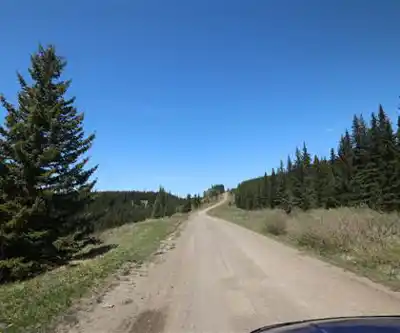
Photos: Thank you for visiting my page from Canada — CC BY 2.0 (Wikimedia Commons)
Trail description
Powderface Trail delivers an authentic Canadian Rockies experience that strikes the perfect balance between accessibility and wilderness adventure. This 6.4-kilometer moderate hike climbs 400 meters through diverse mountain terrain, offering hikers a genuine taste of Alberta's backcountry without requiring advanced mountaineering skills or multi-day commitments.
Trail Character and Terrain
Starting near Highway 66 close to Bragg Creek, the trail immediately establishes its mountain character as you leave the foothills prairie behind and enter the montane forest zone. The well-defined path begins wide and inviting, winding through dense stands of lodgepole pine and white spruce that create a natural canopy overhead. This initial forest section provides excellent shade during summer hiking and showcases the classic Rocky Mountain ecosystem that defines this region.
As you gain elevation over the 2.5-hour journey, the landscape transforms dramatically. The dense forest gradually opens into scattered groves separated by natural meadows where the real magic of this trail reveals itself. These open spaces offer your first substantial views of the surrounding peaks and valleys, creating natural rest stops where you can appreciate the scale of the mountain environment around you.
The trail's design follows natural ridgelines and valley contours intelligently, which means the 400-meter elevation gain feels manageable rather than punishing. Instead of one brutal climb followed by flat walking, Powderface Trail distributes its challenges evenly, with steeper sections balanced by gentler grades that allow you to recover while still making progress.
What distinguishes this hike from other moderate options in the Canadian Rockies is the remarkable variety packed into a relatively short distance. You'll traverse soft forest floors carpeted with moss and fallen logs, cross open meadows that showcase wildflower displays, and navigate rockier terrain where the trail becomes more technical and demanding. This diversity keeps every section engaging and ensures that return visits reveal new details you missed on previous hikes.
Wildlife and Ecosystem
The rich biodiversity along Powderface Trail makes wildlife encounters a highlight rather than just a possibility. Deer are regular residents of the meadow sections, particularly visible during early morning and late afternoon when they venture out to graze in the open areas. Their presence adds a peaceful element to the hiking experience, though maintaining respectful distance is important for both your safety and their natural behavior patterns.
Elk also frequent this corridor, and their distinctive bugling calls during autumn months create an unforgettable soundtrack to fall hiking. These larger animals command more respect and space, but observing them in their natural habitat provides insight into how these mountain ecosystems support diverse wildlife populations.
Bear activity represents a serious consideration for anyone hiking Powderface Trail. Both black bears and occasionally grizzly bears move through this area, especially during berry season when abundant huckleberries and saskatoons along the trail edges provide natural food sources. This reality makes proper food storage, noise-making, and bear spray essential rather than optional safety measures.
Birdwatchers will find the trail particularly rewarding, with species diversity changing as you gain elevation. Clark's nutcrackers chatter in the upper elevations while varied thrushes provide melodic songs from the dense forest sections below. Raptors including golden eagles and red-tailed hawks frequently soar above the open areas, taking advantage of thermal currents rising from the valley floor to hunt and patrol their territories.
The flora changes dramatically with both elevation and season, creating a dynamic landscape that rewards multiple visits throughout the hiking season. Spring brings early wildflowers like prairie crocuses and shooting stars, while summer showcases paintbrush, fireweed, and mountain asters in spectacular displays across the meadow sections.
Planning and Preparation
Access via Highway 66 near Bragg Creek makes Powderface Trail relatively straightforward to reach, but the mountain environment demands thorough preparation regardless of your hiking experience level. Weather conditions can shift rapidly in this region, with afternoon thunderstorms common during summer months and early season snow possible well into late spring.
Current trail reports and weather forecasts should be mandatory research before heading out, as conditions can vary significantly from the valley floor to the higher elevations along the route. The trail typically remains accessible from late spring through early fall, but snow can linger in shaded sections and north-facing slopes well into June, affecting both safety and hiking enjoyment.
Water sources along the trail are limited and seasonal, making adequate hydration planning crucial for the full duration of your hike. The moderate difficulty rating and 2.5-hour duration mean you'll want to pack snacks or a light lunch, especially if you plan to spend extended time at viewpoints or wildlife watching in the meadow sections.
Footwear selection can make or break your experience on Powderface Trail. The varied terrain demands hiking boots with good ankle support and reliable traction, as you'll encounter everything from soft forest floor to rocky, uneven surfaces in the upper sections. Wet conditions make rocks and roots particularly slippery, so quality footwear becomes a safety issue rather than just a comfort consideration.
Trail Ethics and Conservation
Preserving Powderface Trail's natural integrity requires every visitor to follow Leave No Trace principles consistently and thoughtfully. The trail's popularity among local hikers means that small impacts from individual visitors accumulate quickly into significant environmental damage when multiplied across hundreds of users throughout the season.
Staying on marked paths becomes particularly important when conditions are challenging. Muddy or snow-covered sections tempt hikers to create shortcuts or alternate routes, but these decisions damage fragile vegetation and create erosion problems that take years to recover in the harsh mountain environment.
The meadow sections deserve special attention and care, as they're particularly vulnerable to trampling damage. Resisting the urge to wander off-trail for photos or exploration helps preserve these delicate ecosystems that provide some of the trail's most spectacular scenery and important wildlife habitat.
All trash must be packed out, including organic waste like apple cores and banana peels that don't decompose quickly in mountain environments. Wildlife that becomes habituated to human food sources poses safety risks to future hikers and often must be relocated or destroyed by wildlife management authorities, making proper waste management a conservation issue with serious consequences.
Recommended gear for this trail
As an Amazon Associate I earn from qualifying purchases.


Ready to go?
Everything you need to know before you goStarting Point
The powderface trail is located in the Kananaskis Country area of Alberta. To get to the start of the trails, take Highway 40 south from Calgary and turn left onto the powderface trail.
When?
How much?
As an Amazon Associate I earn from qualifying purchases.
Affiliate links — LGPO may earn a commission at no extra cost to you.
- Hiking shoes Essential
- → Salomon Elixir Tour Mid WP · 203.38 $
- Layered clothing Essential
- Rain jacket Essential
- Trekking poles
- → Black Diamond Trail Ergo Cork · 69.99 $
- Headlamp
- → Petzl Actik Core 625 · 103.95 $
FAQ - Frequently asked questions
Everything you need to know
25 hikes under 2 hours from Montreal
Distance, elevation, parking and season for each one. The ones we go back to ourselves.
Get the guideSimilar hikes nearby
Discover other trails you might enjoy
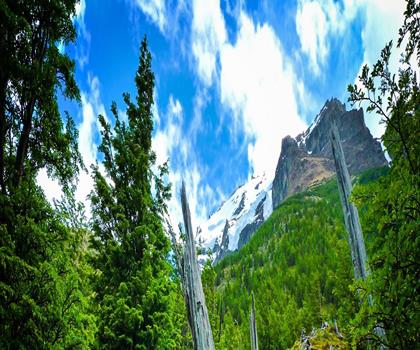
Fossil Mountain
Canadian Rockies

Snake Indian Mountain
Canadian Rockies
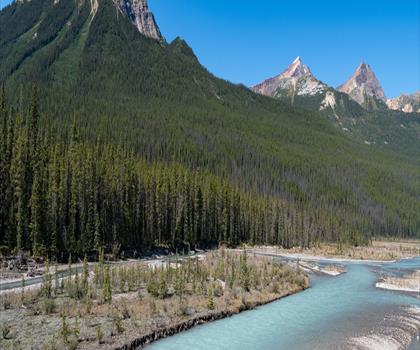
Mushroom Peak
Canadian Rockies
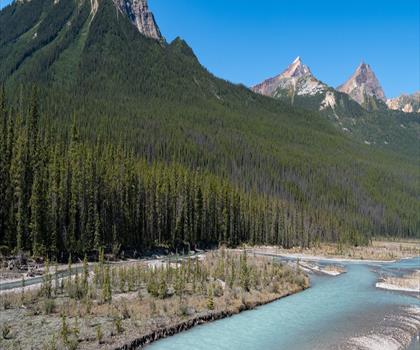
Mount Woolley
Canadian Rockies
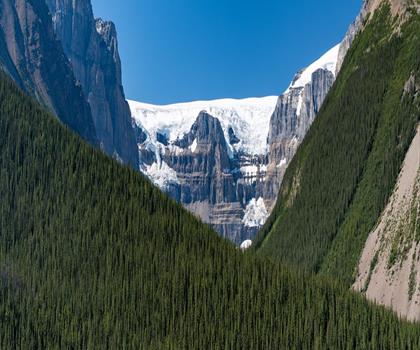
Stutfield Peak
Canadian Rockies
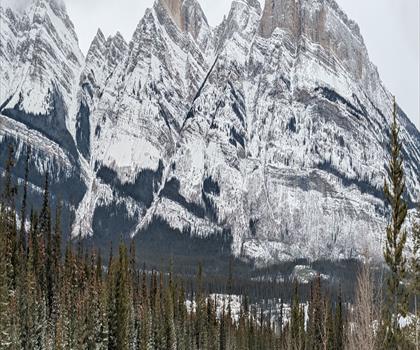
Mount Sarbach
Canadian Rockies
Hiking near Canmore
200 trails to explore ~36 km away
We work hard to provide the most up-to-date and error-free data possible. If something seems incorrect, let us know! Your contribution helps the whole community.
Hikers' opinions
Be the first to review!
No hiker has shared their experience yet. Share your impressions and help other hikers!