

Ready to explore Raspberry Ridge Trailhead? Here's everything you need to know before you go!
Discover the trail
Oh no! We don't have any photos 😢
This trail hasn't been captured yet. Be the first to share your adventure!Trail description
Raspberry Ridge Trailhead is one of those rare finds in the Canadian Rockies — a short, accessible hike that still manages to deliver a genuine mountain experience. At just 1.9 kilometers with 75 meters of elevation gain, this easy trail can be completed in about 36 minutes, making it a great option for families, beginners, or anyone looking for a quick leg-stretcher that doesn't sacrifice scenery.
The Trail Experience
The route wastes no time getting into the good stuff. From the trailhead, you'll move through a classic Rocky Mountain landscape where the terrain shifts noticeably as you gain elevation. The path is well-maintained and the grade is gentle throughout — steady enough to feel like you're actually going somewhere, but never steep enough to leave you gasping. The 75-meter elevation gain is spread across the full distance, so the climb feels natural rather than abrupt.
The trail surface is a mix of packed dirt and occasional rocky stretches, all of it manageable without any scrambling or technical footwork. This is a trail where you can actually look around and take things in while you walk, rather than keeping your eyes locked on your feet the whole time.
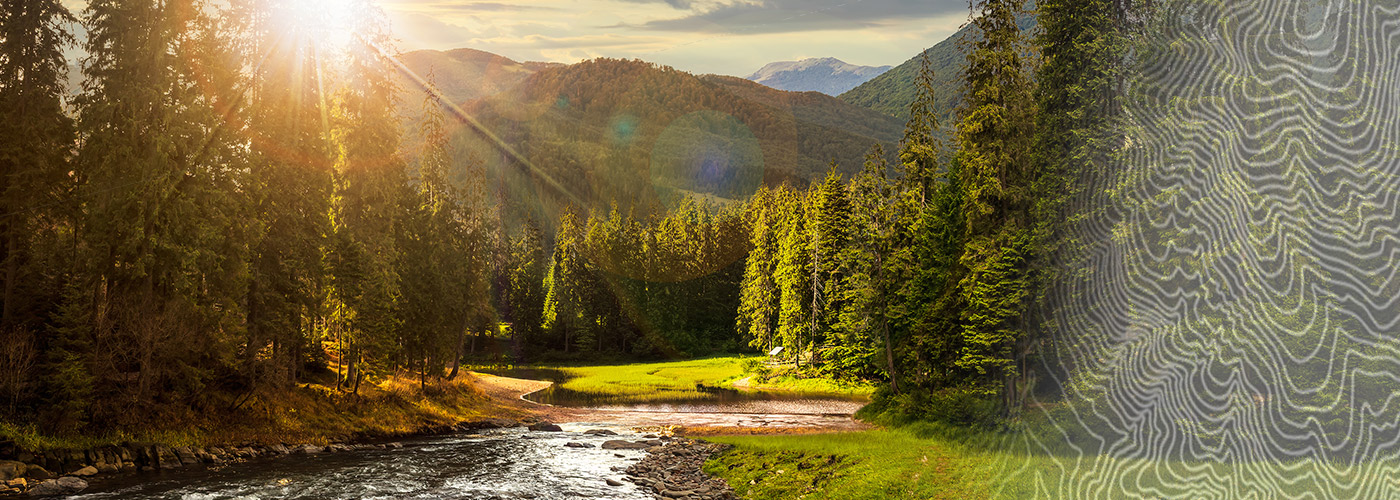
What makes Raspberry Ridge work as a short hike is how much the landscape changes in a compact distance. The lower section moves through dense coniferous forest — pine, fir, and spruce — where the canopy keeps things cool and shaded. As you gain elevation, the trees begin to thin and open up, giving way to more exposed terrain with broader sightlines. Even on a trail this short, you get a real sense of moving through different mountain environments.
Wildlife and Natural Features
The Canadian Rockies are prime wildlife habitat, and Raspberry Ridge sits right in the middle of it. The forested lower section of the trail is good deer country, and the transitional zones between forest and open terrain are worth slowing down for. Marmots are a reliable presence in the rockier, more exposed sections — they have a habit of popping up on boulders and watching hikers pass with what can only be described as casual indifference.
Birdlife is active along the trail as well. Gray jays and Clark's nutcrackers are common in the forested sections, and the open upper terrain attracts species adapted to the harsher alpine environment. During the warmer months, wildflowers fill in the gaps between the trees and rocks — Indian paintbrush, alpine forget-me-nots, and mountain avens are all part of the seasonal display that makes summer hiking in the Rockies so visually rewarding.
Planning Your Visit
The hiking season here runs roughly from late spring through early fall. Snow can linger into June at higher elevations, and early-season hikers should be prepared for variable conditions. July and August are the most reliable months for clear trails and peak wildflower blooms, though they also bring the most foot traffic. Arriving early on weekends is a smart move.
Even on a short trail like this, Rocky Mountain weather deserves respect. Afternoon thunderstorms can develop quickly, and the exposed upper section of the trail is no place to be when lightning is around. Pack a waterproof layer regardless of how the morning looks, and keep an eye on the sky as you hike.
Sturdy footwear is always a good call in the Rockies, even on easier terrain. Bring more water than you think you'll need — the dry mountain air and elevation combination means you'll drink more than you expect, and there are no water sources along the route. Trekking poles are optional but can be useful on the descent, particularly if the trail is wet.
As with all trails in the Canadian Rockies, Leave No Trace principles apply. Pack out everything you bring in, stay on the marked trail, and give wildlife plenty of room. The short distance of this hike makes it easy to do right — there's no reason to cut corners on a trail you'll be done with in under an hour.
The Essential Hiking Checklist
Everything you need for your next hike. Bilingual, printable, 1 page.
Get your free hiking checklistRecommended gear for this trail
As an Amazon Associate I earn from qualifying purchases.


Ready to go?
Everything you need to know before you goStarting Point
The raspberry ridge trailhead is located in Alberta, Canada. To get there, take Highway 2 to the town of Nanton and then turn onto Highway 547. The trailhead is located about 10 kilometers down this road.
When?
How much?
As an Amazon Associate I earn from qualifying purchases.
Affiliate links — LGPO may earn a commission at no extra cost to you.
- Hiking shoes Essential
- → Salomon Elixir Tour Mid WP · 203.38 $
- Layered clothing Essential
- Rain jacket Essential
- Trekking poles
- → Black Diamond Trail Ergo Cork · 69.99 $
- Headlamp
- → Petzl Actik Core 625 · 103.95 $
FAQ - Frequently asked questions
Everything you need to knowSimilar hikes nearby
Discover other trails you might enjoy
Fossil Mountain
Canadian Rockies

Snake Indian Mountain
Canadian Rockies
Mushroom Peak
Canadian Rockies
Mount Woolley
Canadian Rockies
Stutfield Peak
Canadian Rockies
Mount Sarbach
Canadian Rockies
Hiking near Calgary
120 trails to explore ~92 km away
We work hard to provide the most up-to-date and error-free data possible. If something seems incorrect, let us know! Your contribution helps the whole community.
Hikers' opinions
Be the first to review!
No hiker has shared their experience yet. Share your impressions and help other hikers!