
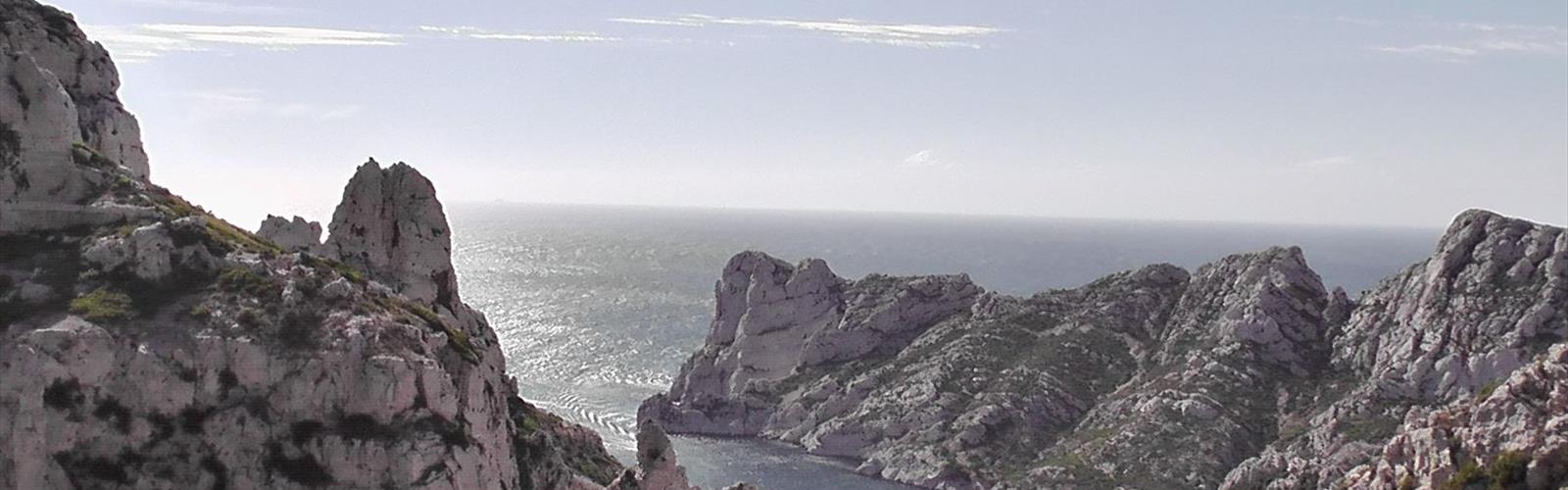

Ready to explore Revenant Mountain? Here's everything you need to know before you go!
Discover the trail
Trail description
Revenant Mountain is a serious objective in the Canadian Rockies, delivering the kind of full-day effort that reminds you why you lace up your boots in the first place. At 14.5 kilometers with 1,100 meters of elevation gain, this is a hard hike that asks something real of you — and gives back in equal measure. Budget around 6 hours 30 minutes for the full outing, and don't cut that estimate short.
What to Expect on the Trail
The climb through the lower sections moves through dense coniferous forest typical of the Canadian Rockies — spruce and fir overhead, a soft needle-cushioned trail underfoot, with root networks and rocky patches keeping you honest. It's the kind of terrain where you settle into a rhythm early and let the mountain do the talking.
As elevation builds, the forest begins to open up. The character of the hike shifts noticeably here: the canopy thins, the air cools, and the views start to hint at what's coming. Stream crossings appear through the middle sections of the route, offering natural rest points and a chance to refill if you're carrying a filter. The sound of moving water stays with you longer than you'd expect.
The upper mountain is where Revenant earns its hard rating. The trail becomes more exposed and rocky, requiring solid footing and focus on route-finding. The final approach to the summit is not technical, but it demands attention — loose rock, steeper grades, and the kind of exposure that makes you glad you wore proper boots. When you break out onto the summit, the payoff is immediate: sweeping views across the surrounding peaks and valleys of the Canadian Rockies, the kind of panorama that makes the 1,100 meters of climbing feel entirely worth it.
Terrain and Ecosystems
One of the things that makes Revenant Mountain a satisfying hike is the variety packed into a single outing. You move through distinct environments on the way up — dense boreal-influenced forest at the base, transitional subalpine terrain through the middle, and exposed rocky ridgeline near the top. Each zone has its own feel, its own light, and its own set of things to notice.
The riparian areas along the stream crossings support plant communities you won't find on the drier slopes above. These pockets of moisture create microhabitats worth slowing down for, especially in early summer when growth is at its most vivid. Higher up, vegetation becomes sparse and hardy, clinging to rocky terrain where the growing season is short and conditions are unforgiving.
Seasonal Considerations
The Canadian Rockies dictate the terms here, and Revenant Mountain is no exception. Spring access depends heavily on snowpack — the upper mountain can hold snow well into June, and stream crossings run high during peak melt. If you're heading out early in the season, check conditions beforehand and be prepared to turn around if the upper route is unsafe.
Summer offers the most reliable window, with stable trail conditions and longer daylight hours giving you flexibility on timing. An early start is still a smart move — afternoon thunderstorms are common in the Rockies, and the summit is exposed. Aim to be off the high ground before early afternoon if weather is building.
Fall brings exceptional visibility and cooler temperatures that make the climb more comfortable. The larch season in the Canadian Rockies is one of the best shows in the country, and depending on elevation and aspect, Revenant Mountain can offer some of that golden color in late September. Weather turns fast in October, so watch the forecast closely.
Winter conditions transform the route entirely. The elevation gain and exposed upper terrain make this a serious undertaking in snow and ice. Microspikes at minimum, crampons and an ice axe depending on conditions — this is not a casual winter outing.
Gear and Preparation
With 1,100 meters of gain over 14.5 kilometers, your feet are going to work. Stiff-soled hiking boots with solid ankle support are the right call here — trail runners can work for experienced hikers who know what they're getting into, but the rocky upper terrain rewards a more protective boot.
Layering is non-negotiable in the Canadian Rockies. Conditions at the trailhead and conditions at the summit can be completely different, and weather can move in faster than you'd expect. A moisture-wicking base layer, an insulating mid-layer, and a wind and rain shell cover most scenarios. Bring them even if the morning looks perfect.
Carry more water than you think you need. The elevation gain and duration of this hike push your hydration requirements up, and while stream crossings exist on the route, you should not count on them as your primary water source without a reliable filter or purification method. Pack enough food to sustain a full day of hard effort — this is not a hike where you want to be running on empty on the descent.
Navigation tools matter on a route like this. A downloaded offline map, a compass, and familiarity with the terrain before you go are all worth the preparation time. Cell coverage in the Canadian Rockies backcountry is unreliable, and conditions can change quickly enough that knowing where you are without a signal is a real skill to have.
Leave No Trace
The upper mountain terrain at Revenant is slow to recover from impact. Stay on established trail lines, especially on the exposed rocky sections near the summit where vegetation is sparse and fragile. Pack out everything you bring in, give wildlife the space they need, and leave the mountain in the same condition you found it — so the next person gets the same experience you did.
The Essential Hiking Checklist
Everything you need for your next hike. Bilingual, printable, 1 page.
Get your free hiking checklistRecommended gear for this trail
As an Amazon Associate I earn from qualifying purchases.


Ready to go?
Everything you need to know before you goStarting Point
The start of the trails at the revenant mountain can be accessed by travelling east on Highway 11 from Calgary. The trailhead is located approximately 45 kilometres east of the city.
When?
How much?
As an Amazon Associate I earn from qualifying purchases.
Affiliate links — LGPO may earn a commission at no extra cost to you.
- Hiking shoes Essential
- → Salomon Elixir Tour Mid WP · 203.38 $
- Layered clothing Essential
- Rain jacket Essential
- Trekking poles
- → Black Diamond Trail Ergo Cork · 69.99 $
- Headlamp
- → Petzl Actik Core 625 · 103.95 $
FAQ - Frequently asked questions
Everything you need to knowSimilar hikes nearby
Discover other trails you might enjoy
Fossil Mountain
Canadian Rockies

Snake Indian Mountain
Canadian Rockies
Mushroom Peak
Canadian Rockies
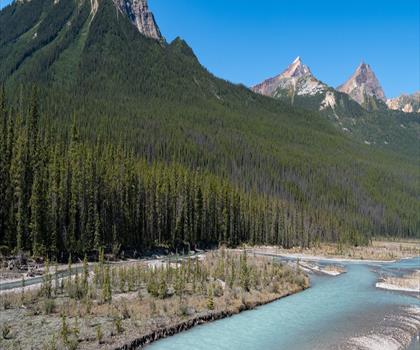
Mount Woolley
Canadian Rockies
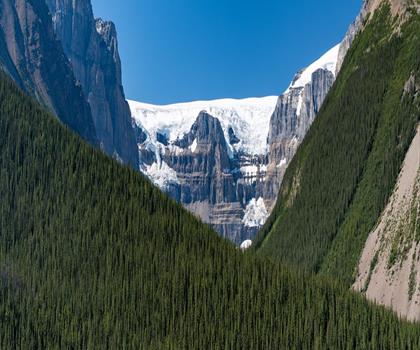
Stutfield Peak
Canadian Rockies
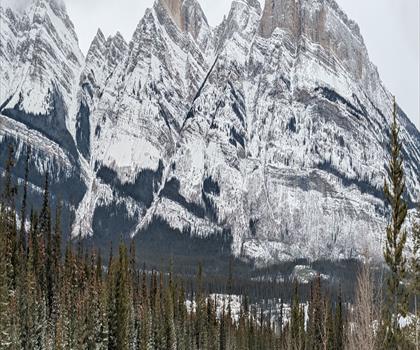
Mount Sarbach
Canadian Rockies
Hiking near Banff
187 trails to explore ~23 km away
We work hard to provide the most up-to-date and error-free data possible. If something seems incorrect, let us know! Your contribution helps the whole community.
Hikers' opinions
Be the first to review!
No hiker has shared their experience yet. Share your impressions and help other hikers!