
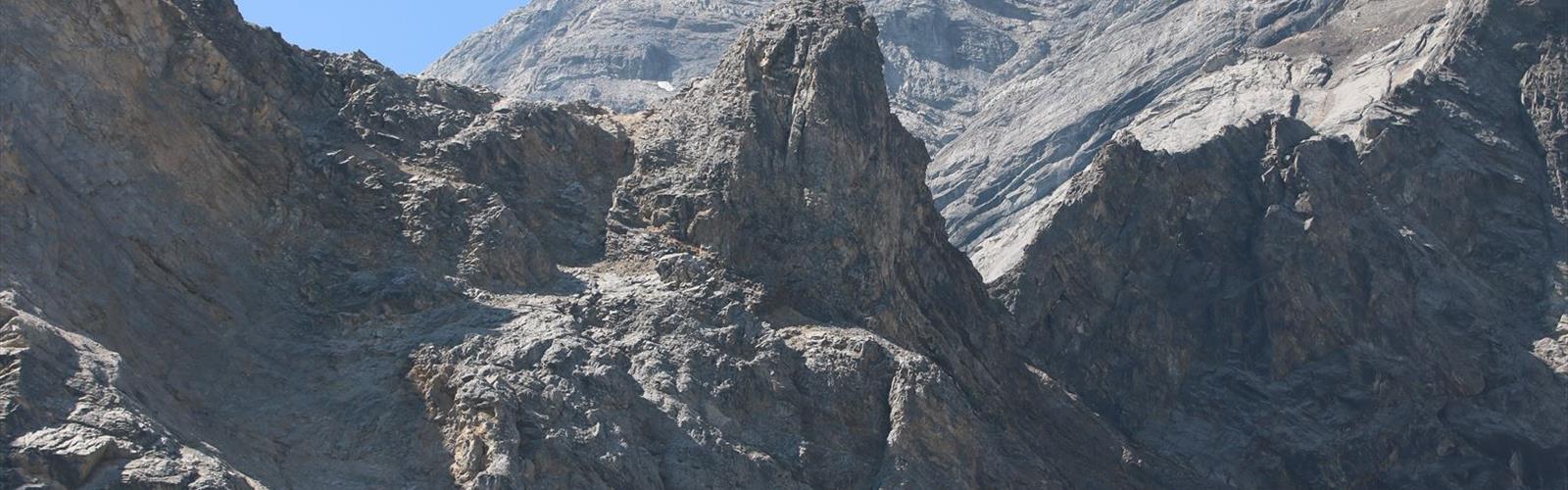

Ready to explore Rummel Lake? Here's everything you need to know before you go!
Discover the trail
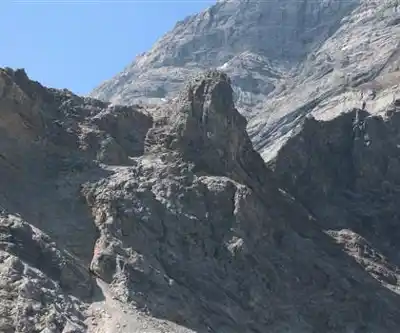
Photos: Thank you for visiting my page from Canada — CC BY 2.0 (Wikimedia Commons)
Trail description
Rummel Lake sits tucked away in the heart of Kananaskis Country, offering one of Alberta's more rewarding alpine experiences. This pristine mountain lake delivers the kind of dramatic high-country scenery that makes the Canadian Rockies legendary.
The trailhead starts near Mount Engadine Lodge, positioned just off the Smith-Dorrien/Spray Trail (Highway 742) in Peter Lougheed Provincial Park. From this convenient access point, the trail begins a steady climb through dense pine forests. The path is well-marked throughout, which helps during the consistent elevation gain ahead.
The Hike Ahead
This moderately challenging hike covers 10 km return with approximately 420-450 meters of elevation gain, typically taking 3-4 hours to complete. The trail begins as a well-groomed, double-track path through mixed coniferous forest with very tall trees. The initial section is a steady uphill climb, but the well-established path makes navigation straightforward, allowing you to focus on pacing yourself for the journey ahead.
The initial stretch winds through thick coniferous forest, where the canopy provides welcome shade during the climb. Your legs will feel the steady effort early, but the clear path helps maintain a consistent pace. This is a hike where you can afford a moderate start without overcommitting early on.
Forest to Alpine Transition
As you gain elevation, the forest begins to thin and open up, revealing glimpses of the surrounding peaks. The transition happens gradually, giving you time to adjust to the changing environment and increasingly dramatic landscape.
Wildflowers add bursts of color during the growing season, particularly in the subalpine meadows you'll encounter in the upper sections. The air gets noticeably thinner and crisper as you climb, and the sounds of the forest floor—rustling leaves and distant bird calls—give way to the sharper, clearer acoustics of high mountain environments.
Seasonal streams and waterfalls add their voices to the mix, particularly during snowmelt season when water features are at their most dramatic. These crossing points also provide natural rest stops where you can refill water bottles and catch your breath.
Wildlife Encounters
Keep your senses sharp throughout the hike—this is active wildlife habitat. Deer are commonly spotted along the trail, often appearing suddenly from behind trees or across small clearings. Curious marmots make frequent appearances in the higher elevations, their sharp whistles echoing off the rock faces.
This area supports diverse wildlife, making bear spray an essential piece of safety equipment. Black bears and grizzlies both call this area home, and while encounters are relatively rare, being prepared is important in the Canadian Rockies.
The Lake Itself
Rummel Lake justifies every step of the approach. The crystal-clear alpine waters sit surrounded by towering peaks that create natural amphitheater walls around the lake basin. The reflection of these mountains in the still water creates the kind of scene that stops hikers in their tracks.
The lake's setting epitomizes high alpine beauty—stark, dramatic, and utterly peaceful. The water remains refreshingly cold even during summer months, offering a bracing dip for those brave enough. Most hikers are content to dangle their feet while enjoying lunch and soaking in the mountain atmosphere.
The shoreline provides several excellent spots for extended breaks. Rocky outcrops make natural benches, while small patches of alpine grass offer softer resting areas. Photography opportunities abound throughout the lake basin.
Timing and Conditions
Late spring through early fall provides the most reliable hiking conditions, though snow can linger at higher elevations well into the season. The trail can be accessed in winter via a backcountry route, but this requires additional experience and equipment.
Morning starts are highly recommended for cooler temperatures during the initial climb and for the way early light hits the lake basin. The changing light throughout the day transforms the scene repeatedly.
Essential Preparation
Your gear list should reflect the moderate-to-challenging nature of this hike. Sturdy, broken-in hiking boots are recommended given the distance and elevation change. The trail surface varies from forest floor to rocky alpine terrain.
Carry adequate water—at least 2 liters—along with snacks or lunch to fuel the climb. Sunscreen becomes increasingly important as you gain elevation and lose forest cover. The alpine environment offers little shade, and UV exposure intensifies with altitude.
Layer your clothing to handle temperature changes from forest floor to alpine environment, and pack rain gear regardless of the morning forecast. Mountain weather changes quickly, and you'll be above treeline for portions of the hike where there's limited shelter.
Hikers with solid fitness levels and proper preparation will find Rummel Lake delivers a rewarding high-alpine experience that showcases why the Canadian Rockies draw adventurers from around the world.
Practice Leave No Trace principles throughout your visit. Pack out all trash, stay on established trails, and respect wildlife by maintaining appropriate distances and storing food properly. This pristine alpine environment depends on every visitor's commitment to preservation, ensuring future hikers can experience the same unspoiled beauty that makes Rummel Lake such a special destination in Kananaskis Country.
The Essential Hiking Checklist
Everything you need for your next hike. Bilingual, printable, 1 page.
Get your free hiking checklistRecommended gear for this trail
As an Amazon Associate I earn from qualifying purchases.


Ready to go?
Everything you need to know before you goStarting Point
The rummel lake trails are located in the Kananaskis Country area of Alberta. To get to the start of the trails, take Highway 40 south from Calgary and turn left onto the Smith-Dorrien Trail (Highway 742). Continue on the Smith-Dorrien Trail for about 24 km until you reach the rummel lake parking lot.
When?
How much?
As an Amazon Associate I earn from qualifying purchases.
Affiliate links — LGPO may earn a commission at no extra cost to you.
- Hiking shoes Essential
- → Salomon Elixir Tour Mid WP · 203.38 $
- Layered clothing Essential
- Rain jacket Essential
- Trekking poles
- → Black Diamond Trail Ergo Cork · 69.99 $
- Headlamp
- → Petzl Actik Core 625 · 103.95 $
FAQ - Frequently asked questions
Everything you need to knowSimilar hikes nearby
Discover other trails you might enjoy
Fossil Mountain
Canadian Rockies

Snake Indian Mountain
Canadian Rockies
Mushroom Peak
Canadian Rockies
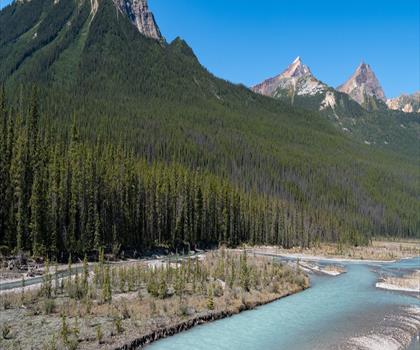
Mount Woolley
Canadian Rockies
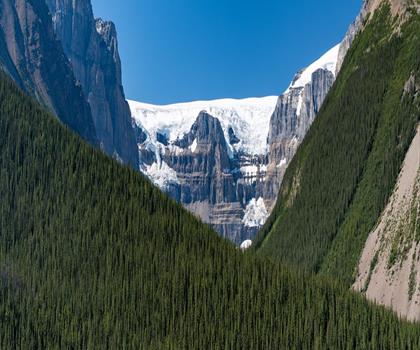
Stutfield Peak
Canadian Rockies
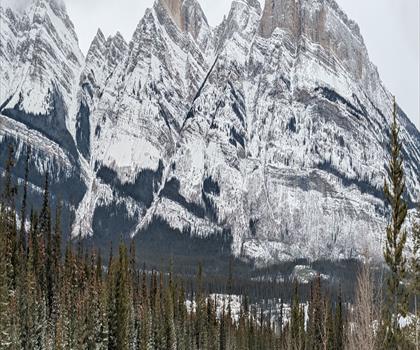
Mount Sarbach
Canadian Rockies
Hiking near Canmore
200 trails to explore ~28 km away
We work hard to provide the most up-to-date and error-free data possible. If something seems incorrect, let us know! Your contribution helps the whole community.
Hikers' opinions
Be the first to review!
No hiker has shared their experience yet. Share your impressions and help other hikers!