


Ready to explore Running Rain Lake? Here's everything you need to know before you go!
Discover the trail
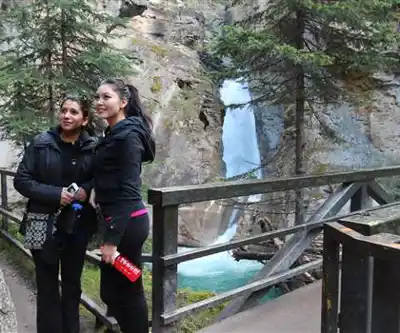
Photos: Thank you for visiting my page from Canada — CC BY 2.0 (Wikimedia Commons)
Trail description
Running Rain Lake is one of those destinations in the Canadian Rockies that earns its reputation through honest effort. At 16.2 km round trip with 1,314 m of elevation gain, this is a full day in the mountains — the kind that leaves your legs tired and your head clear. Budget around 7.5 hours and come prepared for everything the Rockies can throw at you.
What the Trail Is Actually Like
The route starts in dense montane forest, the kind where the canopy closes overhead and the trail feels sheltered and manageable. The footing here requires some attention — roots and rocks are part of the deal — but nothing that slows you down significantly. This lower section is where you settle into your pace and let the mountain quiet take over.
As you gain elevation, the forest begins to open up. The trees thin, the views start to appear, and the character of the trail shifts. You're no longer just moving through the landscape — you're moving above it. The middle section of the climb is where most of the elevation gain happens, and it's sustained enough that you'll want to pace yourself from the start. The grade is real, and 1,314 m doesn't lie.
The upper terrain gets rockier as you approach the lake. There's some scrambling involved on the final approach, but it stays well within the range of a fit hiker with good footwear — no technical gear required. What you do need is solid footing and the patience to pick your way carefully over the loose rock sections.
The lake itself sits in a natural rock basin, surrounded by the kind of vertical relief that makes the Canadian Rockies feel like a different world. On calm days, the water reflects the peaks above with almost unsettling clarity. The setting is quiet and enclosed — the scale of the mountains around you makes the lake feel intimate rather than exposed.
Wildlife and Natural Features
The forest sections of this trail support a healthy mix of wildlife. Deer and elk move through the area, most reliably in the early morning and around dusk. Black bears are present in this part of the Rockies, so bear spray should be on your kit list and food storage practices matter — both on the trail and at any overnight camp.
Birdlife is consistent throughout the hike. Gray jays and mountain chickadees are common in the forested lower sections, and you're likely to hear woodpeckers working the standing timber. Higher up, watch for raptors riding thermals above the ridgelines. Near the lake, the soundscape shifts — water, wind, and the occasional call from above replace the forest noise.
Wildflowers show up in force during summer, particularly in the open meadow sections and along the lake's edge. Alpine lupine, Indian paintbrush, and mountain asters are all part of the display, and the color contrast against the grey rock and blue water is worth stopping for.
Planning Your Day
With 7.5 hours as the estimated moving time, an early start is the right call. The Canadian Rockies are notorious for afternoon thunderstorms in summer, and being above treeline when one rolls in is not a situation you want. Aim to be at the lake by midday and heading back down before early afternoon clouds start building.
Water is available from the lake and streams along the route, but treat or filter everything — no exceptions in backcountry mountain terrain. Pack enough food for a full day of hard hiking, and bring more layers than you think you'll need. Weather at elevation changes fast, and what starts as a warm morning can turn cold and wet by early afternoon.
Footwear matters on this one. The rocky upper sections and the elevation gain make a case for proper hiking boots with ankle support rather than trail runners, especially if conditions are wet.
Overnight Options
Running Rain Lake works as a backpacking destination for those who want to experience the basin at dawn or dusk, when the light on the water and surrounding peaks is at its best. The night sky here, away from any significant light pollution, is genuinely impressive. If you're planning to camp, follow Leave No Trace practices and check current regulations before heading out — backcountry camping in the Canadian Rockies typically requires a permit.
Seasonal Window
The trail is generally accessible from late spring through early fall, with exact timing depending on snowpack. Spring brings wildflowers and running water but can mean lingering snow on the upper sections. Summer offers the most reliable conditions and the longest days. Fall adds color to the lower forest — aspens turn gold and the light gets that low-angle quality that photographers chase — but weather becomes less predictable and early snow at elevation is always possible.
Leave No Trace
Running Rain Lake stays in good shape because the people who visit it treat it well. Pack out everything you pack in, stay on the established trail to protect the fragile alpine vegetation near the lake, and keep a respectful distance from any wildlife you encounter. If you're camping, site selection and waste disposal practices matter — catholes at least 60 meters from water sources and trails, and no exceptions on food storage in bear country.
The goal is straightforward: leave the lake exactly as you found it so the next person gets the same experience you did.
Recommended gear for this trail
As an Amazon Associate I earn from qualifying purchases.


Ready to go?
Everything you need to know before you goStarting Point
The running rain lake trails are located in the Kananaskis Country area of Alberta. To get to the start of the trails, take Highway 40 south from Calgary and turn left onto the Kananaskis Lakes Trail. The trailhead is located about 9 km down the road.
When?
How much?
As an Amazon Associate I earn from qualifying purchases.
Affiliate links — LGPO may earn a commission at no extra cost to you.
- Hiking shoes Essential
- → Salomon Elixir Tour Mid WP · 203.38 $
- Layered clothing Essential
- Rain jacket Essential
- Trekking poles
- → Black Diamond Trail Ergo Cork · 69.99 $
- Headlamp
- → Petzl Actik Core 625 · 103.95 $
FAQ - Frequently asked questions
Everything you need to know
25 hikes under 2 hours from Montreal
Distance, elevation, parking and season for each one. The ones we go back to ourselves.
Get the guideSimilar hikes nearby
Discover other trails you might enjoy
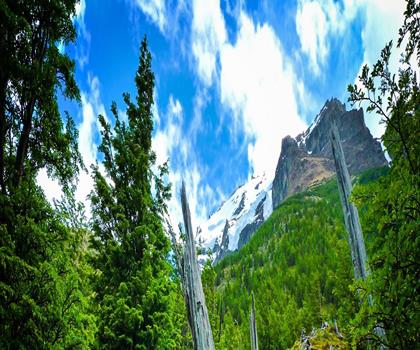
Fossil Mountain
Canadian Rockies

Snake Indian Mountain
Canadian Rockies
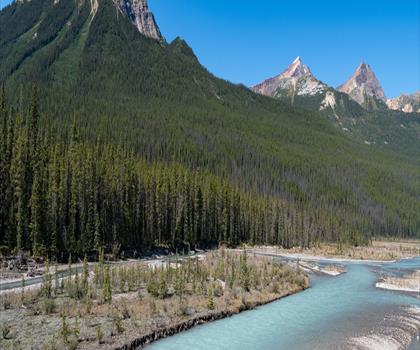
Mushroom Peak
Canadian Rockies
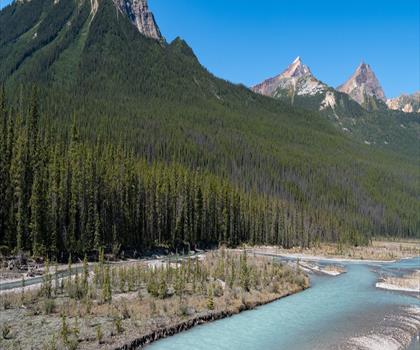
Mount Woolley
Canadian Rockies
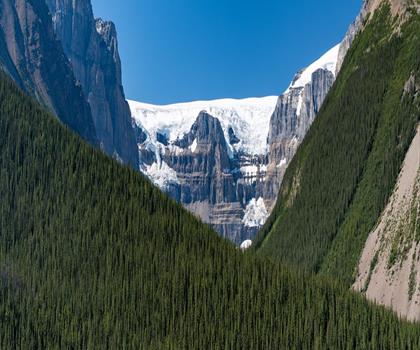
Stutfield Peak
Canadian Rockies
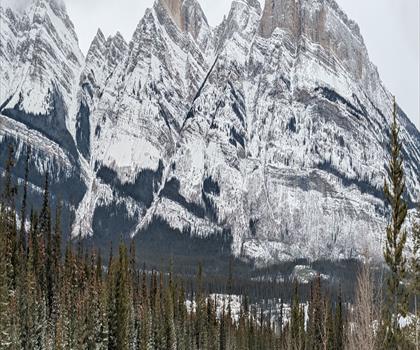
Mount Sarbach
Canadian Rockies
Hiking near Canmore
200 trails to explore ~71 km away
We work hard to provide the most up-to-date and error-free data possible. If something seems incorrect, let us know! Your contribution helps the whole community.
Hikers' opinions
Be the first to review!
No hiker has shared their experience yet. Share your impressions and help other hikers!