
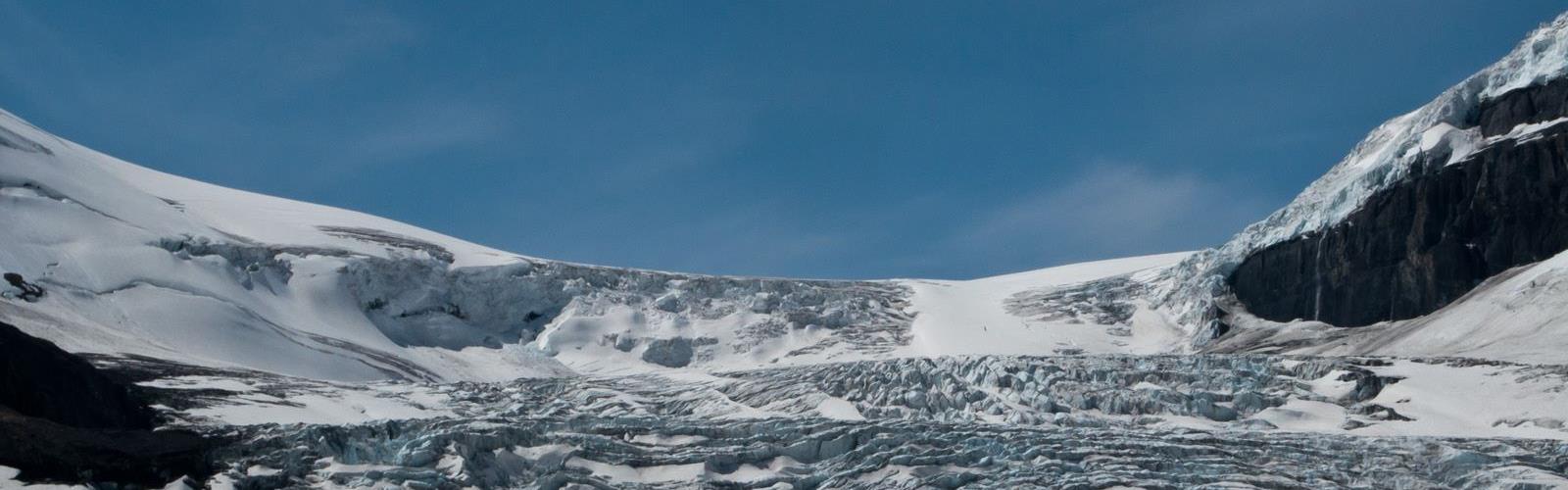

Ready to explore South Twin? Here's everything you need to know before you go!
Discover the trail
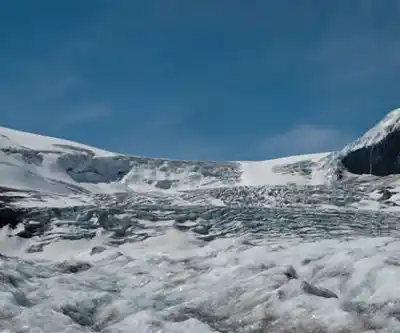
Photos: InSapphoWeTrust from Los Angeles, California, USA — CC BY-SA 2.0 (Wikimedia Commons)
Trail description
South Twin stands as one of the most challenging and rewarding summit hikes in the Canadian Rockies, offering experienced mountaineers a serious alpine adventure with breathtaking panoramic views. This demanding peak requires technical climbing skills and represents a significant commitment, but rewards those who reach its summit with some of the most spectacular vistas in Alberta's mountain wilderness.
Located in the heart of the Canadian Rockies, South Twin presents a formidable climbing objective that attracts serious mountaineers from across North America. The mountain's imposing presence and technical requirements make it a respected peak among the climbing community, offering an authentic alpine experience that few summits can match in this region.
The Climbing Experience
The approach to South Twin begins with a relatively straightforward 2.5-kilometer trek that quickly transitions into serious alpine terrain. Despite the modest distance, this is where any comparison to typical hiking ends. The route demands technical climbing skills, proper mountaineering equipment, and extensive experience in alpine environments.
The massive elevation gain of 3,581 meters represents one of the most significant vertical challenges in the Canadian Rockies. This enormous ascent takes climbers through multiple ecological zones, from montane forests through subalpine meadows and into the harsh alpine environment where only the most adapted plants and animals can survive.
Early sections wind through dense coniferous forest dominated by Engelmann spruce and subalpine fir. The forest floor supports a rich understory of mountain ash, huckleberry, and various wildflowers that provide color during the brief mountain growing season. As you gain elevation, the trees become increasingly stunted and sparse, eventually giving way to krummholz formations where harsh winds and short growing seasons create twisted, ground-hugging tree forms.
The transition into alpine terrain marks where the real technical challenges begin. Rocky outcrops, steep faces, and exposed ridges require careful route-finding and solid mountaineering technique. Weather conditions can change rapidly at these elevations, with sudden storms, high winds, and temperature drops creating serious hazards for unprepared climbers.
Technical Requirements and Route Conditions
South Twin demands respect and proper preparation. The technical sections require mountaineering experience, including comfort with exposure, route-finding on complex terrain, and the ability to assess and manage alpine hazards. This is not a peak for novice climbers or those looking to push beyond their current skill level without proper mentorship.
The rock quality varies throughout the route, with some sections offering solid holds and others requiring careful testing of loose or weathered rock. Alpine conditions mean that rock fall, changing weather, and route conditions can create additional hazards that require constant awareness and good judgment.
Proper mountaineering equipment is essential, including technical climbing gear, appropriate footwear for mixed terrain, and comprehensive weather protection. The extreme elevation gain means that conditions at the summit can be dramatically different from those at the start, requiring careful layering systems and emergency preparedness.
Alpine Environment and Wildlife
The high alpine environment of South Twin supports specialized wildlife adapted to harsh mountain conditions. Pikas inhabit the rocky talus fields, their distinctive calls echoing across the mountainside as they gather vegetation for their winter hay piles. Mountain goats may be spotted on the most precipitous terrain, demonstrating remarkable agility on seemingly impossible cliff faces.
Golden eagles and other raptors patrol the alpine zones, taking advantage of thermal currents that develop along the mountain faces. The bird life changes dramatically with elevation, from forest species in the lower reaches to specialized alpine birds that have adapted to the extreme conditions of high-altitude environments.
Plant life becomes increasingly sparse and specialized with elevation. Alpine forget-me-nots, mountain avens, and moss campion create small patches of color among the rocks, their low-growing forms and deep root systems allowing them to survive in this harsh environment. These plants often live for decades or even centuries, growing slowly in the brief alpine summers.
Summit Views and Rewards
The summit of South Twin provides unparalleled views across the Canadian Rockies, with sight lines extending in every direction across some of the most dramatic mountain terrain in North America. The perspective from this elevation reveals the true scale and complexity of the Rocky Mountain system, with countless peaks, valleys, and glaciated areas stretching to the horizon.
The view encompasses major peaks throughout the region, creating a panoramic display of alpine architecture that changes throughout the day as light and shadow play across the various faces and ridges. Glaciated peaks catch the early morning and late afternoon light, creating dramatic contrasts with the darker valley floors and forested slopes.
The sense of accomplishment that comes with reaching this summit is profound, reflecting not just the physical demands of the climb but the technical skills and mountain judgment required to safely navigate the route. The combination of challenge and reward makes South Twin a memorable achievement for experienced mountaineers.
Seasonal Conditions and Timing
The climbing season for South Twin is typically limited to a narrow window during the summer months when snow conditions and weather patterns provide the most favorable conditions. Even during the best conditions, climbers must be prepared for rapid weather changes, afternoon thunderstorms, and the possibility of encountering snow or ice at higher elevations.
Early season attempts may encounter significant snow coverage that can obscure route features and create additional avalanche hazards. Late season climbing brings the risk of early winter storms and rapidly deteriorating conditions that can trap climbers in dangerous situations.
Preparation and Safety Considerations
Attempting South Twin requires extensive preparation, both physical and technical. The combination of distance, elevation gain, and technical difficulty demands peak physical conditioning and solid mountaineering skills. Climbers should have extensive experience on similar terrain before attempting this peak.
Weather monitoring becomes critical for safe climbing, as conditions can deteriorate rapidly and create life-threatening situations for climbers caught unprepared. Emergency preparedness, including communication devices, first aid supplies, and emergency shelter, is essential for safe travel in this remote alpine environment.
The 6.5-hour estimated duration represents ideal conditions with experienced climbers. Many parties require significantly longer, and the possibility of weather delays or route-finding challenges means that climbers must be prepared for extended time on the mountain, including the possibility of emergency bivouacs.
The Essential Hiking Checklist
Everything you need for your next hike. Bilingual, printable, 1 page.
Get your free hiking checklistRecommended gear for this trail
As an Amazon Associate I earn from qualifying purchases.


Ready to go?
Everything you need to know before you goStarting Point
The start of the trails at the south twin in Alberta can be accessed by travelling east on Highway 22 from Calgary. The trailhead is located approximately 30 kilometres from Cochrane.
When?
How much?
As an Amazon Associate I earn from qualifying purchases.
Affiliate links — LGPO may earn a commission at no extra cost to you.
- Hiking shoes Essential
- → Salomon Elixir Tour Mid WP · 203.38 $
- Layered clothing Essential
- Rain jacket Essential
- Trekking poles
- → Black Diamond Trail Ergo Cork · 69.99 $
- Headlamp
- → Petzl Actik Core 625 · 103.95 $
FAQ - Frequently asked questions
Everything you need to knowSimilar hikes nearby
Discover other trails you might enjoy
Fossil Mountain
Canadian Rockies

Snake Indian Mountain
Canadian Rockies
Mushroom Peak
Canadian Rockies
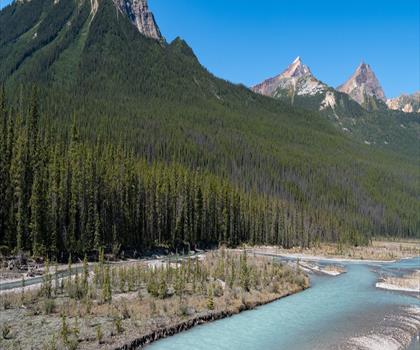
Mount Woolley
Canadian Rockies
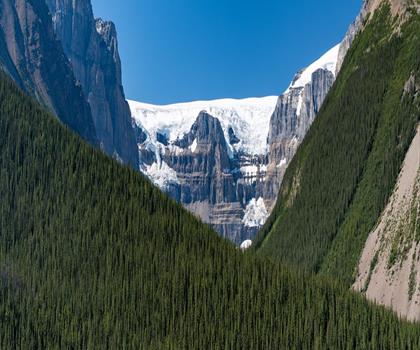
Stutfield Peak
Canadian Rockies
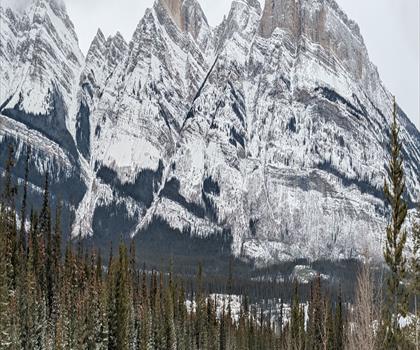
Mount Sarbach
Canadian Rockies
Hiking near Jasper
82 trails to explore ~86 km away
We work hard to provide the most up-to-date and error-free data possible. If something seems incorrect, let us know! Your contribution helps the whole community.
Hikers' opinions
Be the first to review!
No hiker has shared their experience yet. Share your impressions and help other hikers!