
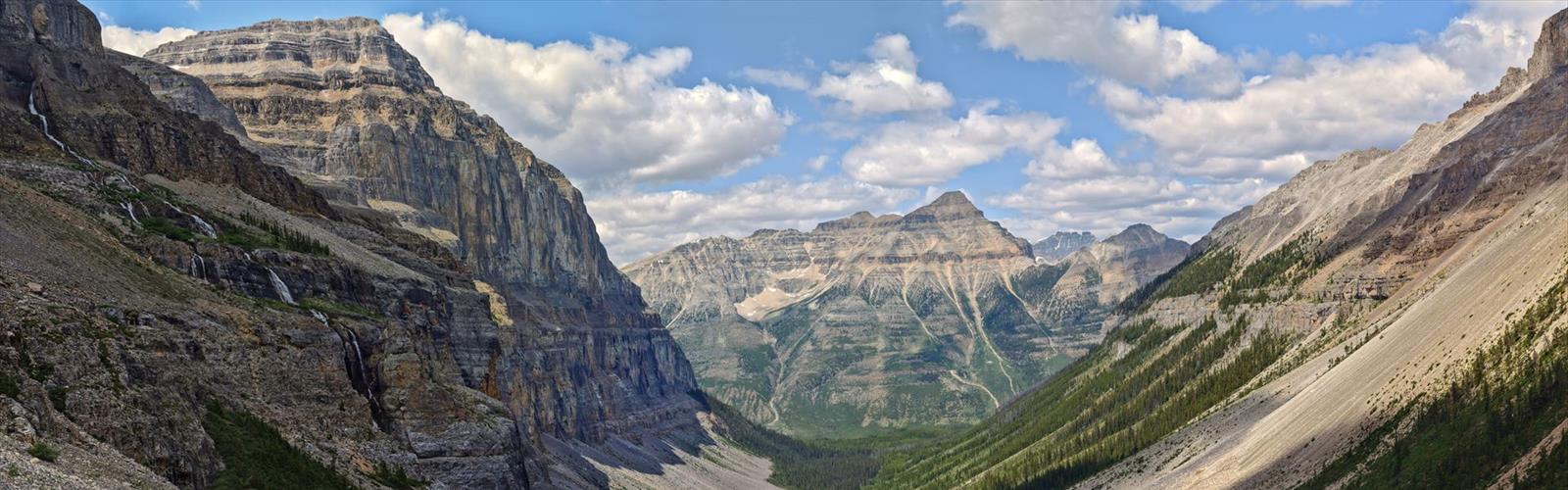
Ready to explore Stanley Glacier? Here's everything you need to know before you go!
Discover the trail
Oh no! We don't have any photos 😢
This trail hasn't been captured yet. Be the first to share your adventure!Trail description
Description
The Stanley Glacier trail in Kootenay National Park delivers one of the most rewarding glacier viewing experiences accessible to day hikers in the Canadian Rockies. This 8.4-kilometer round-trip hike strikes an ideal balance between effort and payoff, leading you through diverse mountain terrain to spectacular views of an active glacier nestled between towering limestone cliffs.
Located just off Highway 93 in Kootenay National Park, the trailhead sits conveniently roadside, making it easily accessible whether you're staying in nearby Radium Hot Springs or passing through on a Rockies road trip. The well-maintained trail begins in dense subalpine forest, where the path winds steadily upward through stands of Engelmann spruce and subalpine fir. The forest canopy provides welcome shade during the initial climb, and interpretive signs along the route offer insights into the area's fascinating geological history and mountain ecology.
As you gain elevation over the 365-meter ascent, the forest gradually opens up, revealing glimpses of the dramatic valley ahead. The trail follows the path carved by ancient glacial action, and you'll notice the characteristic U-shaped profile of the valley walls as you progress. About halfway through the hike, the trees begin to thin, and the landscape transforms into classic alpine terrain with scattered wildflower meadows and increasingly rocky ground.
Trail Experience and Terrain
The moderate difficulty rating reflects both the steady elevation gain and some sections requiring careful footing over rocky terrain. Most hikers with basic fitness levels can complete this trail comfortably, though the rocky sections near the end demand attention to foot placement. The path is generally well-defined, but as you approach the glacier viewpoint, the trail becomes less obvious as it crosses boulder fields and exposed bedrock.
The final approach opens dramatically into the glacial cirque, where towering peaks surround you on three sides. Cascading waterfalls tumble down the cliff faces, fed by snowmelt and glacial runoff. The sound of rushing water becomes a constant companion as you near the official trail endpoint, where a designated viewpoint provides unobstructed views of Stanley Glacier itself.
From the viewpoint, the glacier appears as a river of ice flowing between steep rock walls, its surface marked by the characteristic blue-white color of compressed glacial ice. Depending on the season and recent weather, you may observe active ice movement, rockfall, or the glacier's terminus lake. The surrounding peaks create a natural amphitheater that amplifies the sense of scale and wilderness isolation.
Wildlife and Natural Features
The Stanley Glacier area supports diverse mountain wildlife, and sightings add excitement to the hiking experience. Mountain goats frequently graze on the steep slopes above the trail, their white coats standing out against the dark rock faces. These sure-footed climbers often appear completely unbothered by human presence, though maintaining respectful distance remains important for both safety and wildlife protection.
Hoary marmots inhabit the rocky areas near the glacier, and their distinctive whistling calls often echo across the cirque. These large rodents serve as sentinels for the alpine community, alerting other wildlife to potential threats. Pikas, small rabbit-like creatures, also live among the boulder fields, though their gray coloring makes them harder to spot than their loud chirping calls might suggest.
The geological features along the trail tell the story of millions of years of mountain building and glacial sculpting. The limestone and dolomite formations display clear evidence of ancient sea floors, while the polished rock surfaces and erratic boulders demonstrate the power of glacial action. The interpretive signs help decode these natural history lessons, making the hike educational as well as scenic.
Extended Exploration Options
For hikers seeking additional challenge and closer glacier views, the terrain beyond the official trail endpoint offers scrambling opportunities. A route up the lateral moraine provides more intimate perspectives of the glacier's surface features, including crevasses and seracs. This extension requires scrambling skills and comfort on loose rock, but rewards adventurous hikers with dramatically closer views of the ice and its intricate blue crevasse patterns.
The moraine scramble adds roughly another kilometer each way and increases the overall difficulty significantly. The loose rock and steep angles demand careful movement and proper footwear. However, the enhanced glacier views and sense of wilderness immersion make this extension worthwhile for capable hikers seeking a more adventurous experience.
Practical Considerations
Weather conditions in the Canadian Rockies change rapidly, and the Stanley Glacier trail's elevation gain means temperatures can vary significantly between trailhead and destination. Pack layers including a warm jacket, as the glacier cirque can be notably cooler than the forested sections below. Rain gear proves essential, as afternoon thunderstorms frequently develop in the mountains.
Carry adequate water and snacks, as the steady climb and mountain air increase hydration needs. The trail offers no water sources until you reach the glacier area, where glacial runoff provides abundant but cold water that should be treated before drinking. Sturdy hiking boots with good ankle support help navigate the rocky sections safely, while trekking poles provide additional stability on loose terrain.
The hiking season typically runs from late June through early October, with peak conditions occurring in July and August when wildflowers bloom and weather remains most stable. Early season hikers may encounter snow patches in shaded areas, while late season brings spectacular fall colors but increased weather variability.
Practice Leave No Trace principles throughout your visit, staying on designated trails, packing out all waste, and maintaining appropriate distances from wildlife. The pristine nature of this glacial environment depends on every visitor's commitment to minimal impact practices, ensuring future generations can experience the same sense of wonder and wilderness connection that makes Stanley Glacier such a remarkable destination in the Canadian Rockies.
Ready to go?
Everything you need to know before you goStarting Point
The stanley glacier is located in Banff National Park, Alberta. To get to the start of the trails, take the Trans-Canada Highway (Highway 1) to the town of Lake Louise. From there, take the Bow Valley Parkway (Highway 1A) to the Johnston Canyon turnoff. The stanley glacier trailhead is located at the end of the road.
When?
How much?
- Hiking shoes Essential
- Layered clothing Essential
- Rain jacket Essential
- Trekking poles
- Headlamp
FAQ - Frequently asked questions
Everything you need to knowThe Essential Hiking Checklist
Everything you need for your next hike. Bilingual, printable, 1 page.
Download the free checklistSimilar hikes nearby
Discover other trails you might enjoy
Fossil Mountain
Canadian Rockies
Snake Indian Mountain
Canadian Rockies
Mushroom Peak
Canadian Rockies
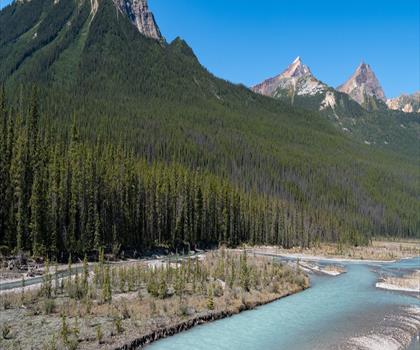
Mount Woolley
Canadian Rockies
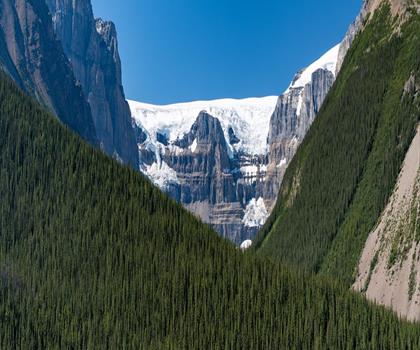
Stutfield Peak
Canadian Rockies
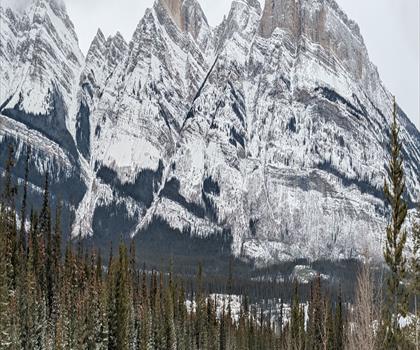
Mount Sarbach
Canadian Rockies
Hiking near Banff
187 trails to explore ~36 km away
We work hard to provide the most up-to-date and error-free data possible. If something seems incorrect, let us know! Your contribution helps the whole community.
Hikers' opinions