
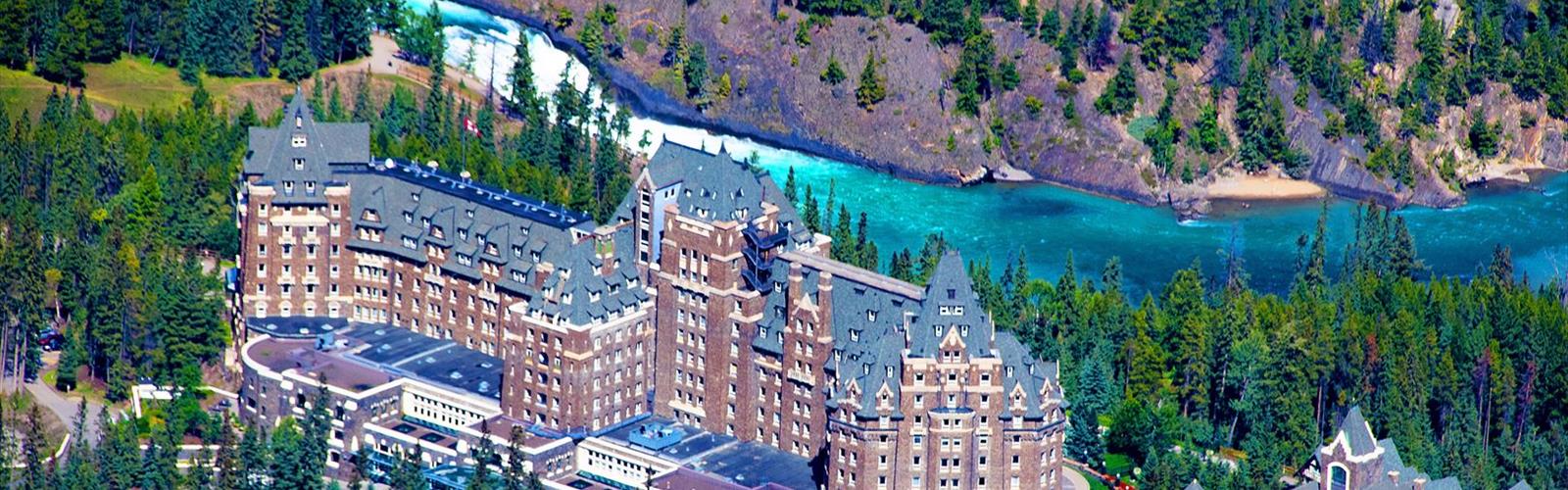

Ready to explore Sundance Canyon? Here's everything you need to know before you go!
Discover the trail
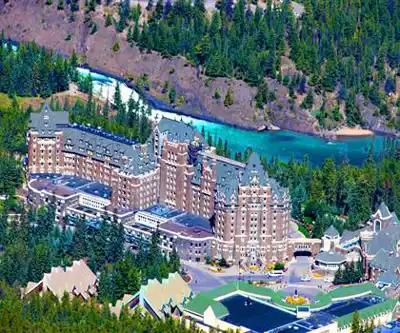
Photos: Ron Cogswell from Arlington, Virginia, USA — CC BY 2.0 (Wikimedia Commons)
Trail description
Sundance Canyon is one of those trails in the Canadian Rockies that earns its reputation without needing to shout about it. Located near Banff in Alberta, this route combines a paved, accessible path along the Bow River with a loop through a narrow, rocky canyon — giving you two very different experiences in a single outing. At 11.3 km with only 60 m of elevation gain, it's classified as moderate and takes roughly 3 hours and 15 minutes to complete, making it a solid half-day hike that works for a wide range of fitness levels.
The Trail Experience
The hike starts from the Cave and Basin National Historic Site, which is worth a few minutes of your time before you head out. From there, the first stretch follows a wide, paved path along the Bow River toward Sundance Creek. This section is flat, easy walking, and gives you open views of the surrounding peaks — it's a nice warm-up before things get more interesting.
Once you reach the canyon itself, the character of the trail shifts completely. The path narrows and climbs into a tight limestone gorge carved by Sundance Creek. The walls close in on both sides, the air gets noticeably cooler, and the sound of the creek fills the canyon. There are wooden bridges and some rocky footing through this section, which is where the "moderate" rating earns its keep. It's not technically demanding, but you'll want proper footwear — trail runners or hiking boots, not sandals.
The canyon loop brings you back around and reconnects with the main path for the return to the trailhead. The out-and-back nature of the paved section means you'll retrace part of your route, but the scenery holds up well in both directions.
What Makes It Worth Doing
The combination of terrain is what sets Sundance Canyon apart from a lot of trails in the Banff area. You get the relaxed riverside walk, then the enclosed drama of the canyon — two distinct moods in one hike. The canyon section in particular feels surprisingly remote given how close it is to town. The limestone formations, the creek running through the gorge, and the forest canopy overhead make for a genuinely immersive stretch of trail.
Because the elevation gain is minimal, this is also a trail where you can actually pay attention to your surroundings rather than focusing on your footing the whole time. Wildlife sightings along the Bow River corridor are common in the Canadian Rockies, so keep your eyes open, especially in the early morning.
Practical Information
- Distance: 11.3 km
- Elevation gain: 60 m
- Difficulty: Moderate
- Estimated time: 3 hours 15 minutes
- Starting point: Cave and Basin National Historic Site, Banff, Alberta
- Park pass required: Yes — a valid Parks Canada pass is needed to access Banff National Park
The trailhead is accessible from the Cave and Basin parking area. Since this is within Banff National Park, a valid Parks Canada pass is required. The paved section of the trail is accessible to cyclists and is a popular bike route to the canyon trailhead, so expect some shared-use traffic on that portion.
When to Go
The trail is typically hikeable from late spring through fall, once snow has cleared from the canyon section. The canyon can hold ice and snow later into the season than the open riverside path, so check conditions before heading out if you're going early in the year. Summer mornings are the best bet for avoiding crowds, since this trail sees solid traffic given its proximity to Banff townsite.
Sundance Canyon is the kind of hike that delivers a genuine Canadian Rockies experience without requiring a full day or advanced fitness — and the canyon section alone makes it worth lacing up your boots.
The Essential Hiking Checklist
Everything you need for your next hike. Bilingual, printable, 1 page.
Get your free hiking checklistRecommended gear for this trail
As an Amazon Associate I earn from qualifying purchases.


Ready to go?
Everything you need to know before you goStarting Point
The sundance canyon trails are located in the sundance canyon Provincial Park, which is about a 2-hour drive from Calgary. From Calgary, take Highway 1 (Trans-Canada Highway) east to Cochrane. Take the exit for Highway 22 and drive south for about 20 minutes. Turn left onto Highway 9 and drive for about 10 minutes until you reach the park entrance.
When?
How much?
As an Amazon Associate I earn from qualifying purchases.
Affiliate links — LGPO may earn a commission at no extra cost to you.
- Hiking shoes Essential
- → Salomon Elixir Tour Mid WP · 203.38 $
- Layered clothing Essential
- Rain jacket Essential
- Trekking poles
- → Black Diamond Trail Ergo Cork · 69.99 $
- Headlamp
- → Petzl Actik Core 625 · 103.95 $
FAQ - Frequently asked questions
Everything you need to knowSimilar hikes nearby
Discover other trails you might enjoy
Fossil Mountain
Canadian Rockies

Snake Indian Mountain
Canadian Rockies
Mushroom Peak
Canadian Rockies
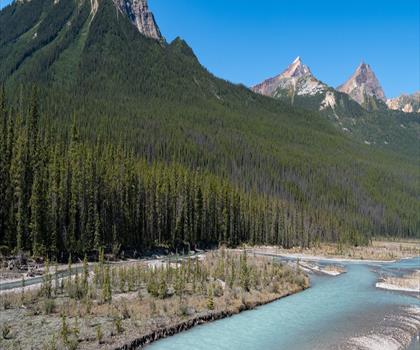
Mount Woolley
Canadian Rockies
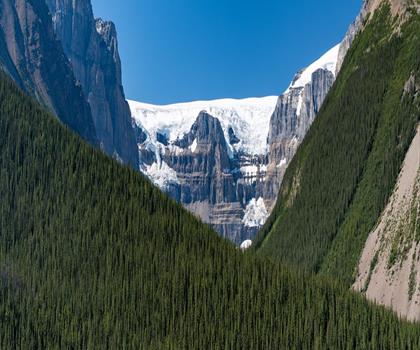
Stutfield Peak
Canadian Rockies
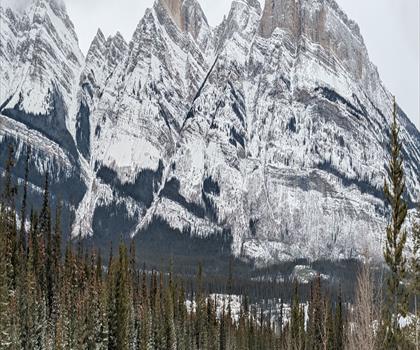
Mount Sarbach
Canadian Rockies
Hiking near Banff
187 trails to explore ~4 km away
We work hard to provide the most up-to-date and error-free data possible. If something seems incorrect, let us know! Your contribution helps the whole community.
Hikers' opinions
Be the first to review!
No hiker has shared their experience yet. Share your impressions and help other hikers!