
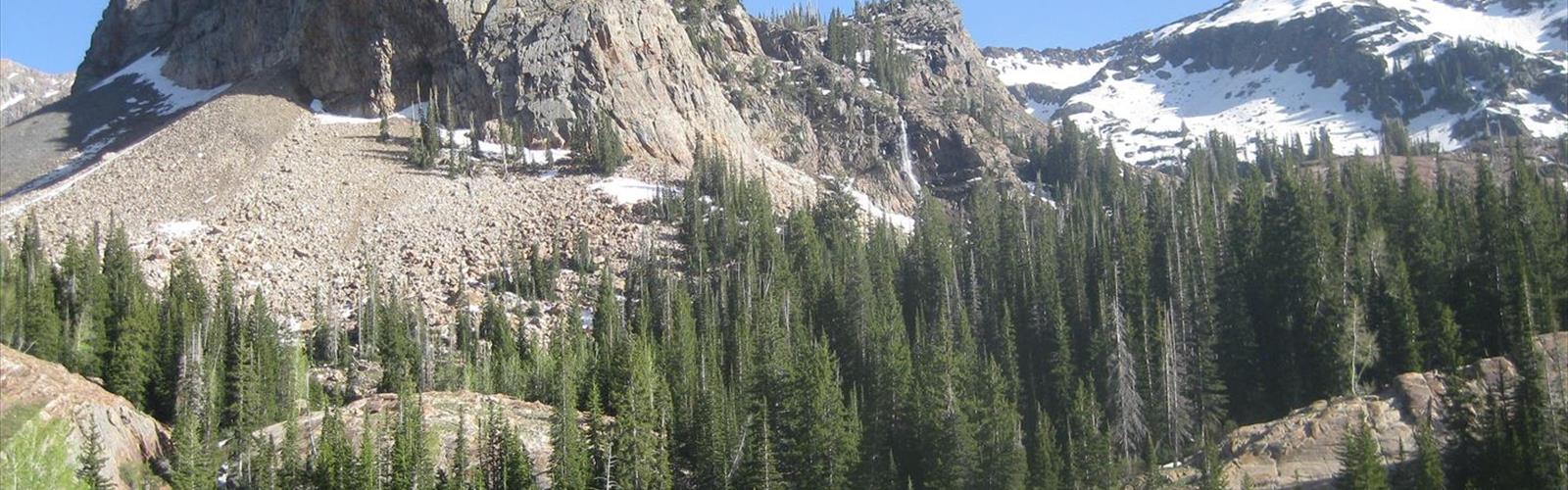

Ready to explore Sundial Mountain? Here's everything you need to know before you go!
Discover the trail
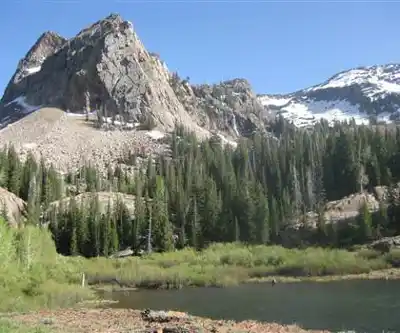
Trail description
Sundial Mountain stands as one of the Canadian Rockies' most rewarding hiking destinations, offering something genuine for every type of outdoor enthusiast. This isn't just another pretty peak—it's a mountain that delivers on its promise of diverse terrain, reliable wildlife viewing, and the kind of views that make the effort worthwhile.
What Makes This Mountain Special
The real draw of Sundial Mountain lies in its unusual variety of trail options all leading to the same spectacular summit. Unlike many Rockies peaks that offer a single challenging route, this mountain provides multiple approaches that cater to different skill levels and time commitments. The terrain shifts dramatically as you climb, starting in dense montane forests filled with vibrant wildflowers during the growing season, then transitioning through subalpine meadows before reaching the exposed rocky summit.
The summit itself offers genuine 360-degree views—not the partial panoramas you'll find on many other peaks in the region. On clear days, you'll see the full sweep of the Canadian Rockies stretching in every direction, with major peaks and valleys laid out like a topographical map come to life.
The Challenge Ahead
This is a serious mountain adventure that demands respect and preparation. The full round trip covers significant distance with substantial elevation gain that will test your endurance and determination. The hard difficulty rating isn't just about the physical demands—it reflects the technical nature of the terrain, the potential for rapidly changing weather conditions, and the commitment required to safely complete this hike.
Most hikers find the journey takes the better part of a day, with the final approach to the summit requiring scrambling skills and comfort on exposed terrain. The elevation gain is relentless in sections, demanding steady pacing and proper conditioning. This isn't a hike where you can wing it—success depends on thorough preparation, appropriate gear, and honest assessment of your abilities.
Trail Experience and Terrain
The lower sections wind through dense montane forests where the canopy provides natural shade and protection from wind. Here, the trail surface remains relatively stable, with occasional root crossings and small rock steps that add interest without creating serious obstacles. Wildflower displays peak in mid to late summer, creating natural photo opportunities along the way.
As you gain elevation, the character of the hike changes dramatically. The forest gives way to subalpine meadows where the views start opening up and you get your first real sense of the mountain's scale. The trail becomes more demanding here, with steeper sections and more varied terrain including rocky outcrops and occasional stream crossings.
The final push to the summit involves navigating increasingly rugged terrain where hands-on scrambling becomes necessary. Loose rock, exposed sections, and route-finding challenges require attention and experience. The summit approach tests both your physical conditioning and technical hiking skills, but rewards serious hikers with the satisfaction of earning every meter of elevation gain.
Wildlife and Natural Features
Sundial Mountain provides reliable wildlife viewing opportunities throughout the hiking season. Deer are commonly spotted in the lower forest sections, particularly during early morning and evening hours. Marmots inhabit the higher elevation areas and often provide entertainment with their social behavior and distinctive whistling calls. The mountain's varied elevation zones support different bird species, making it worthwhile to bring binoculars for both wildlife watching and distant peak identification.
Bear activity occurs throughout the area, so proper food storage and noise-making protocols are essential safety measures. Most bear encounters involve black bears, though grizzly bears also inhabit the region. Carrying bear spray and understanding basic bear safety principles isn't optional—it's a fundamental part of hiking responsibly in this environment.
The diverse plant communities change noticeably with elevation. Lower sections feature typical montane forest species, while higher elevations showcase hardy alpine plants adapted to shorter growing seasons and harsh weather conditions. The transition zones between these plant communities often provide the most interesting botanical diversity.
Essential Planning and Preparation
Weather conditions on Sundial Mountain can change rapidly, particularly at higher elevations where afternoon thunderstorms develop frequently during summer months. Starting early allows you to reach exposed sections before weather typically deteriorates and provides better wildlife viewing opportunities. Even on warm valley days, summit conditions can be significantly colder and windier, so layered clothing systems are necessary rather than optional.
Proper hiking boots with ankle support become increasingly important on the steeper, more technical sections. Trekking poles help with stability and reduce stress on knees during the long descent. Navigation tools, including map and compass or GPS device, provide important backup for route-finding, especially if weather moves in and reduces visibility.
Water sources exist along some sections but not others, and water quality requires treatment before drinking. Carrying sufficient water for the full journey eliminates dependence on finding and treating natural sources. Pack substantial snacks and emergency food to account for the possibility of spending more time on the mountain than originally planned.
The hiking season typically runs from late spring through early fall, with optimal conditions usually occurring during summer months when trails are most accessible and weather patterns are most predictable. Snow can persist at higher elevations well into summer and return earlier than expected in fall, so checking current conditions before heading out helps avoid unpleasant surprises.
The Essential Hiking Checklist
Everything you need for your next hike. Bilingual, printable, 1 page.
Get your free hiking checklistRecommended gear for this trail
As an Amazon Associate I earn from qualifying purchases.


Ready to go?
Everything you need to know before you goStarting Point
The sundial mountain trails are located in the Kananaskis Country area of Alberta. To get to the start of the trails, take Highway 40 south from Calgary and turn left onto the Smith-Dorrien Trail (Highway 742). The trailhead is located about 26 km from the turnoff.
When?
How much?
As an Amazon Associate I earn from qualifying purchases.
Affiliate links — LGPO may earn a commission at no extra cost to you.
- Hiking shoes Essential
- → Salomon Elixir Tour Mid WP · 203.38 $
- Layered clothing Essential
- Rain jacket Essential
- Trekking poles
- → Black Diamond Trail Ergo Cork · 69.99 $
- Headlamp
- → Petzl Actik Core 625 · 103.95 $
FAQ - Frequently asked questions
Everything you need to knowSimilar hikes nearby
Discover other trails you might enjoy
Fossil Mountain
Canadian Rockies

Snake Indian Mountain
Canadian Rockies
Mushroom Peak
Canadian Rockies
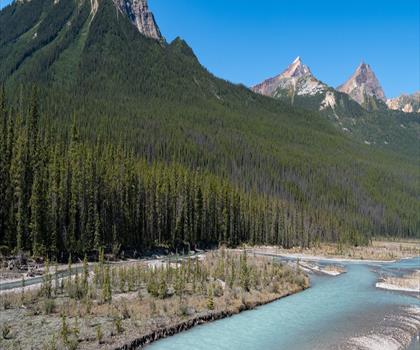
Mount Woolley
Canadian Rockies
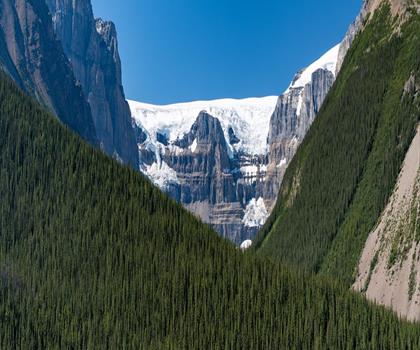
Stutfield Peak
Canadian Rockies
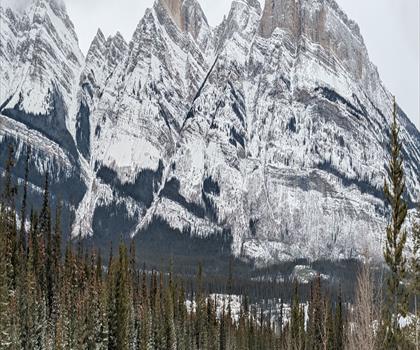
Mount Sarbach
Canadian Rockies
Hiking near Jasper
82 trails to explore ~78 km away
We work hard to provide the most up-to-date and error-free data possible. If something seems incorrect, let us know! Your contribution helps the whole community.
Hikers' opinions
Be the first to review!
No hiker has shared their experience yet. Share your impressions and help other hikers!