


Ready to explore Sunwapta Falls? Here's everything you need to know before you go!
Discover the trail
Trail description
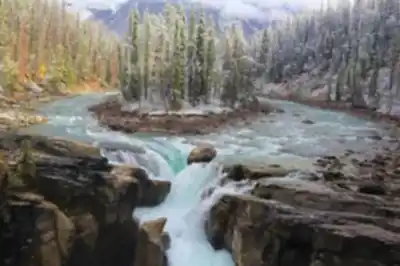
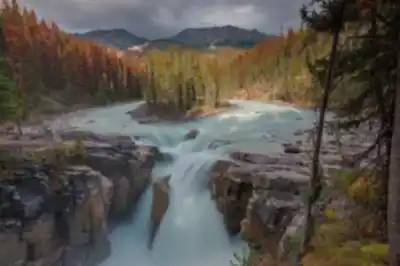
Sunwapta Falls offers one of the most accessible waterfall experiences along the famous Icefields Parkway in Jasper National Park, Alberta. This impressive cascade system showcases the raw power of glacial meltwater as the Sunwapta River plunges 60 feet over a rocky cliff, creating a dramatic horseshoe-shaped waterfall that's 30 feet wide. The name "Sunwapta" comes from the Stoney (Assiniboine) word meaning "turbulent water" – a fitting description for this thundering display of nature's force.
What makes Sunwapta Falls particularly special is its direct connection to the Columbia Icefield. The water you'll see cascading over the rocks originates from the Athabasca Glacier, carrying with it the distinctive milky-blue color of glacial flour – fine rock particles ground down by the glacier's movement. This glacial origin means the falls are most spectacular during late spring and early summer when snowmelt and glacial runoff reach their peak, transforming what might be a modest waterfall into a roaring torrent.
The Trail Experience
The walk to Sunwapta Falls is refreshingly straightforward, making it perfect for hikers of all experience levels. The trail covers just over a kilometer with minimal elevation gain, taking most visitors around 30 minutes to complete at a leisurely pace. You'll start from a well-maintained parking area and follow a clear, wide path that's suitable for families with young children and anyone looking for an easy introduction to the Canadian Rockies.
The trail surface is generally smooth with some rocky sections near the falls themselves. You won't encounter any technical terrain or challenging navigation – this is all about enjoying the destination rather than testing your hiking skills. The gentle descent toward the falls means you'll have a slightly more noticeable climb on the return journey, but nothing that should concern casual hikers.
As you approach the falls, the sound of rushing water builds gradually, creating anticipation for the main event. The path leads you through typical montane forest, offering glimpses of the surrounding peaks and valley before opening up to reveal the full spectacle of the waterfall.
The Falls System
The Sunwapta Falls actually consists of two separate waterfalls: the upper falls and the lower falls. Most visitors experience the upper falls, which is the main attraction and easily accessible from the parking area. This is the 60-foot drop that creates the horseshoe-shaped cascade visitors photograph most often. The viewing platform here provides excellent vantage points for taking in the full scope of the waterfall and feeling the mist on your face during high-water periods.
The lower falls, located a short distance downstream, receives far fewer visitors despite offering its own unique character. The walk to the lower falls takes you through a different perspective of the Sunwapta River valley and provides a more secluded experience. While not as dramatically tall as the upper falls, the lower cascade has its own appeal, especially for those seeking a quieter moment with nature.
Terrain and Natural Features
The landscape around Sunwapta Falls tells the story of glacial power and water erosion over thousands of years. The bedrock here consists of ancient sedimentary layers that have been carved and shaped by the relentless flow of the Sunwapta River. You'll notice how the water has cut through the rock to create the dramatic drop-off, with smooth, polished surfaces where the current has worn away softer materials.
The river above the falls flows relatively calmly through a series of pools and gentle rapids before suddenly plunging over the cliff edge. Below the falls, the water churns and froths before settling into a calmer downstream flow. This contrast between the peaceful approach and violent cascade creates much of the falls' visual drama.
The surrounding forest consists primarily of spruce and fir trees typical of the montane zone in the Canadian Rockies. The constant moisture from the falls creates a slightly different microclimate in the immediate area, supporting lush moss growth on nearby rocks and trees. During peak flow periods, the mist from the falls can be felt several meters away from the viewing areas.
Seasonal Considerations and Water Levels
Timing your visit to Sunwapta Falls can dramatically affect your experience. The falls reach their most impressive state during late spring, typically May through early July, when glacial melt combines with snowpack runoff to create maximum water volume. During these peak months, the falls thunder with incredible force, sending spray high into the air and creating rainbow effects in the mist on sunny days.
Early summer visitors will witness the falls at their most powerful, with the Athabasca Glacier's meltwater contributing significantly to the river's flow. The glacial influence means water levels can vary considerably based on temperature – a few days of warm weather can transform the falls from impressive to absolutely spectacular.
Late summer and fall bring lower water levels, which reveal more of the underlying rock structure and create a different but equally beautiful experience. You'll be able to see the geological formations more clearly and appreciate the intricate ways water has carved the stone over millennia.
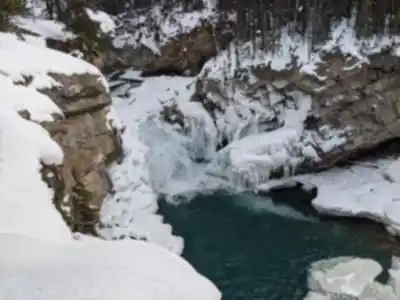
Winter visits offer a completely different experience, with the falls often partially frozen, creating dramatic ice formations. However, winter access requires appropriate footwear and caution due to icy conditions around the viewing areas.
Photography and Viewing Opportunities
The falls provide excellent photography opportunities from multiple angles. The main viewing platform offers the classic head-on perspective of the horseshoe-shaped cascade, perfect for capturing the full width and height of the drop. The glacial flour in the water creates a distinctive milky-blue color that photographs beautifully against the dark rock faces.
For photographers seeking different perspectives, short walks along the river's edge reveal side angles of the falls and opportunities to capture the surrounding forest context. The contrast between the turbulent white water and the calm pools above and below the falls creates compelling compositions.
Morning light often provides the best conditions for photography, with the sun illuminating the mist and reducing harsh shadows on the rock faces. During peak flow periods, the spray can create natural rainbow effects, particularly in the late morning and early afternoon hours.
Regional Context and Accessibility
Sunwapta Falls sits conveniently along the Icefields Parkway (Highway 93), the scenic route connecting Jasper and Banff National Parks. The falls are accessed via a short drive off the main highway, making them an ideal stop for travelers journeying between the two parks. The proximity to this major route means you can easily incorporate the falls into a larger Rockies itinerary without significant detours.
The parking area provides direct access to the trail, requiring minimal hiking to reach the main viewpoints. This accessibility makes Sunwapta Falls an excellent choice for families with young children, elderly visitors, or anyone looking for a spectacular natural sight without the physical demands of a lengthy hike.
Sunwapta Falls serves as an excellent introduction to the waterfall systems throughout the Canadian Rockies. While the region features numerous cascades including the nearby Athabasca Falls, Sunwapta offers a perfect balance of accessibility and natural drama. Its position along the Icefields Parkway makes it a natural stopping point for exploring the broader Columbia Icefield area, where visitors can witness firsthand the ongoing geological processes that continue to shape this remarkable landscape.
The Essential Hiking Checklist
Everything you need for your next hike. Bilingual, printable, 1 page.
Get your free hiking checklistRecommended gear for this trail
As an Amazon Associate I earn from qualifying purchases.


Ready to go?
Everything you need to know before you goStarting Point
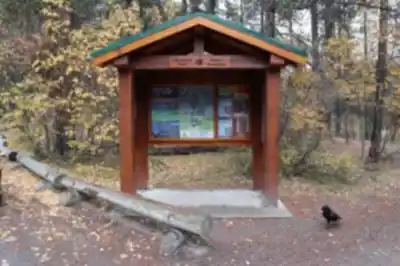
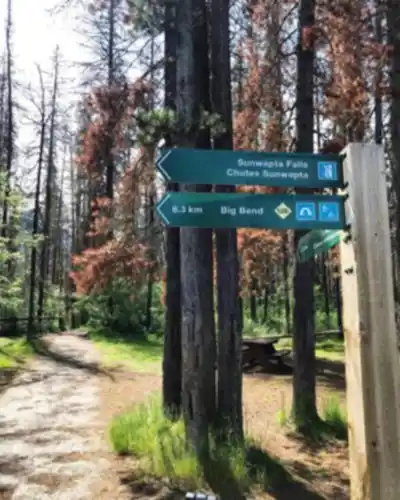
The start of the trails at the sunwapta falls can be accessed from the parking lot located off of the Icefields Parkway.
When?
How much?
As an Amazon Associate I earn from qualifying purchases.
Affiliate links — LGPO may earn a commission at no extra cost to you.
- Hiking shoes Essential
- → Salomon Elixir Tour Mid WP · 203.38 $
- Layered clothing Essential
- Rain jacket Essential
- Trekking poles
- → Black Diamond Trail Ergo Cork · 69.99 $
- Headlamp
- → Petzl Actik Core 625 · 103.95 $
FAQ - Frequently asked questions
Everything you need to knowSimilar hikes nearby
Discover other trails you might enjoy
Fossil Mountain
Canadian Rockies

Snake Indian Mountain
Canadian Rockies
Mushroom Peak
Canadian Rockies
Mount Woolley
Canadian Rockies
Stutfield Peak
Canadian Rockies
Mount Sarbach
Canadian Rockies
Hiking near Jasper
82 trails to explore ~48 km away
We work hard to provide the most up-to-date and error-free data possible. If something seems incorrect, let us know! Your contribution helps the whole community.
Hikers' opinions
Be the first to review!
No hiker has shared their experience yet. Share your impressions and help other hikers!