
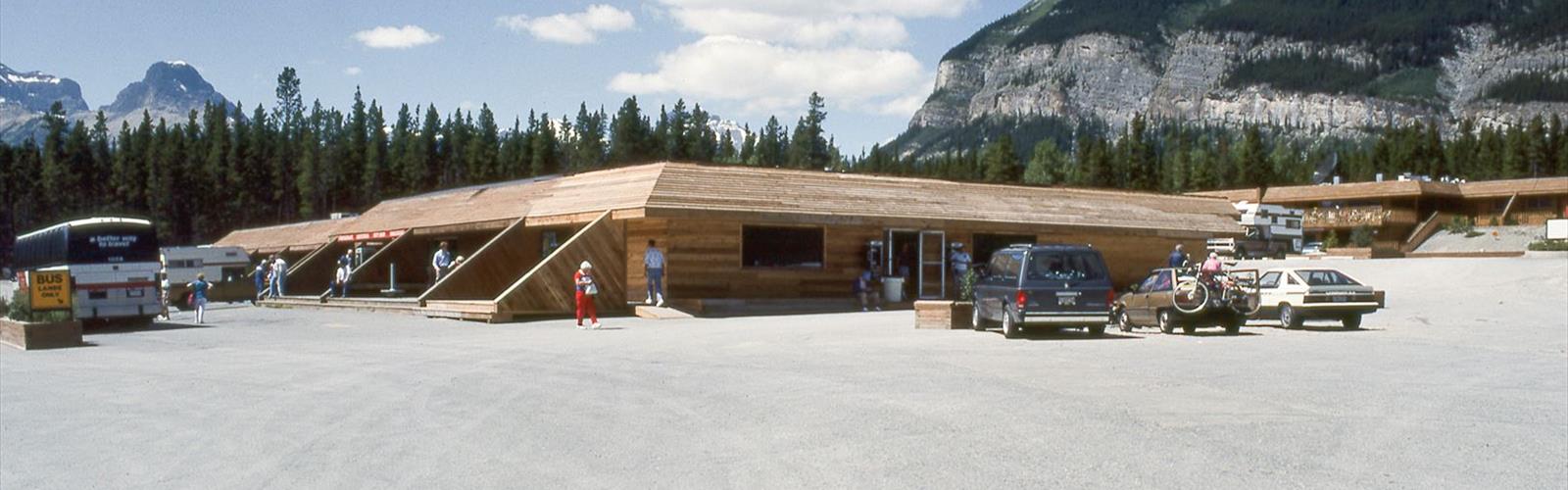

Ready to explore Survey Peak? Here's everything you need to know before you go!
Discover the trail
Trail description
Survey Peak tops out at 2,710 meters (8,891 feet) in the Canadian Rockies of Alberta, offering one of the more rewarding summit experiences in the Alberta North region. The elevation gain is real, the terrain is demanding, and the views from the top make every step worth it. This is a full-day objective — plan accordingly.
The Route
The hike covers 14 kilometers round trip with 900 meters of elevation gain, and the estimated time of 10.5 hours reflects the genuine effort this mountain demands. The trailhead is accessible from the Icefields Parkway, which puts you in the middle of some of the most iconic mountain scenery in Canada before you even lace up your boots.
The terrain shifts noticeably as you climb. Lower sections move through montane forest — shaded, relatively sheltered, and a good warm-up for what's ahead. As you gain elevation, the trees thin out and the landscape opens into subalpine and then full alpine terrain. That transition is one of the more satisfying parts of the hike: the moment the treeline drops away and the full scale of the surrounding peaks comes into view.
The upper sections are rocky and require steady footing. There's no technical climbing involved, but loose rock and steeper grades mean you need to pay attention to where you're placing your feet, especially on the descent when tired legs make sloppy footwork more likely. Trekking poles are worth bringing.
What You'll See from the Summit
The summit position gives you a wide-open panorama across multiple mountain ranges. Jagged ridgelines, glaciated terrain, and deep valleys spread out in every direction. On a clear day, the visibility is exceptional — the kind of view that reminds you why people put in the effort to reach high places. The Canadian Rockies are dramatic at any elevation, but from 2,710 meters, the scale of the landscape really hits differently.
Wildlife Along the Way
The alpine and subalpine zones around Survey Peak support a solid variety of wildlife. Hoary marmots are a near-constant presence on the rocky upper slopes — you'll hear their sharp warning whistles before you see them. Elk are common in this part of Alberta North, and the lower forested sections of the trail are reasonable places to spot them, particularly in the early morning. Keep your eyes open and your noise level reasonable, and you'll likely have a few good wildlife moments during the day.
When to Go
Late June through early September is the reliable window for this hike. Snow lingers on the upper mountain well into spring, and early-season conditions can make the rocky terrain significantly more hazardous. By late June, most years see the trail in good shape for the full ascent. The long summer days in Alberta work in your favor — with a 10.5-hour estimated time, starting early in the morning gives you a comfortable buffer and the best chance of clear skies before afternoon weather builds.
Mountain weather in the Rockies can shift fast. A morning that starts sunny can turn to thunderstorms by early afternoon, which is a serious concern above treeline. Check the forecast the night before, start early, and be prepared to turn around if conditions deteriorate.
What to Bring
A hike of this length and elevation gain requires solid preparation. The essentials:
- Footwear: Stiff-soled hiking boots with good ankle support. Trail runners are not the right call for the rocky upper terrain.
- Layers: Temperature drops significantly with elevation. A wind shell and a mid-layer are minimum; a waterproof jacket is strongly recommended.
- Water: Carry more than you think you need. The dry mountain air and sustained physical effort add up.
- Food: A full day on the mountain burns a lot of calories. Pack a proper lunch plus extra snacks for the descent.
- Navigation: A downloaded offline map or a paper topo. Cell service in this area is unreliable.
- Sun protection: UV exposure is intense at altitude, especially on open alpine terrain with no shade.
A Few Practical Notes
Survey Peak is rated Hard, and that rating is honest. This isn't a hike to attempt as your first mountain objective or without a reasonable base of fitness. The 10.5-hour estimate assumes a steady pace with breaks — don't underestimate the time commitment. Hiking with at least one other person is a smart call in this kind of remote mountain terrain.
Respect the alpine environment on the upper mountain. Stay on established routes where they exist, and avoid trampling the slow-growing vegetation that colonizes rocky terrain at high elevation. These ecosystems take decades to recover from repeated foot traffic off-trail.
The Icefields Parkway access means you're in bear country from the moment you arrive — carry bear spray and know how to use it.
The Essential Hiking Checklist
Everything you need for your next hike. Bilingual, printable, 1 page.
Get your free hiking checklistRecommended gear for this trail
As an Amazon Associate I earn from qualifying purchases.


Ready to go?
Everything you need to know before you goStarting Point
The survey peak trails are located in the Kananaskis Country area of Alberta. To get to the start of the trails, take Highway 40 south from Calgary and turn left onto the Smith-Dorrien Trail (Highway 742). Continue on the Smith-Dorrien Trail for about 24 km until you reach the signed trailhead parking lot on the right side of the road.
When?
How much?
As an Amazon Associate I earn from qualifying purchases.
Affiliate links — LGPO may earn a commission at no extra cost to you.
- Hiking shoes Essential
- → Salomon Elixir Tour Mid WP · 203.38 $
- Layered clothing Essential
- Rain jacket Essential
- Trekking poles
- → Black Diamond Trail Ergo Cork · 69.99 $
- Headlamp
- → Petzl Actik Core 625 · 103.95 $
FAQ - Frequently asked questions
Everything you need to knowSimilar hikes nearby
Discover other trails you might enjoy
Fossil Mountain
Canadian Rockies

Snake Indian Mountain
Canadian Rockies
Mushroom Peak
Canadian Rockies
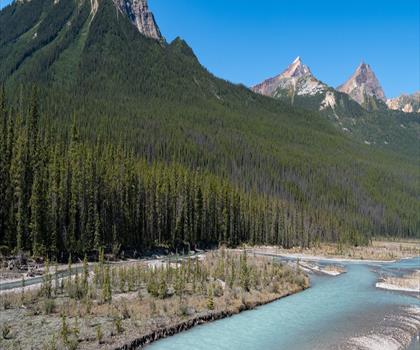
Mount Woolley
Canadian Rockies
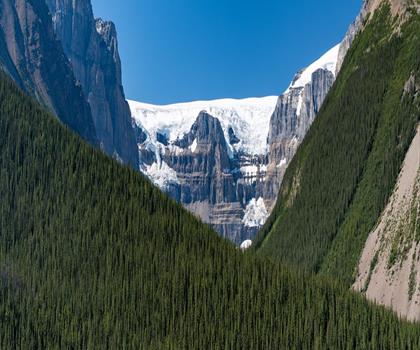
Stutfield Peak
Canadian Rockies
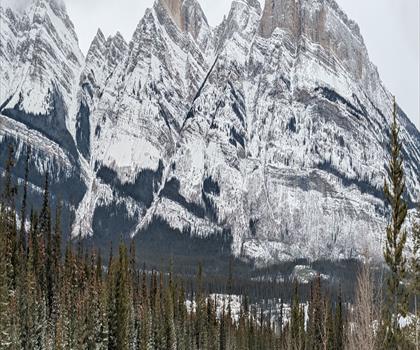
Mount Sarbach
Canadian Rockies
Hiking near Banff
187 trails to explore ~124 km away
We work hard to provide the most up-to-date and error-free data possible. If something seems incorrect, let us know! Your contribution helps the whole community.
Hikers' opinions
Be the first to review!
No hiker has shared their experience yet. Share your impressions and help other hikers!