

Ready to explore Taylor Lake? Here's everything you need to know before you go!
Discover the trail
Photos: Thank you for visiting my page from Canada — CC BY 2.0 (Wikimedia Commons)
Available trails
| TrailTrails | Dist.Distance | GainElevation | TimeDuration | Difficulty | GPX |
|---|---|---|---|---|---|
|
|
6.65 km | — | 1h30 | GPX |
GPX track: © OpenStreetMap contributors — ODbL 1.0
Trail description
Taylor Lake is one of those alpine destinations in the Canadian Rockies that earns its reputation the honest way — through a genuine climb that pays off with a genuinely stunning reward. At 8.4 kilometers round-trip with 610 meters of elevation gain, this is a hard day hike that demands solid fitness and some mountain experience, but nothing about it feels gratuitous. The effort matches the destination.
The Trail
Plan on roughly 4 hours and 30 minutes for the full round-trip, though most hikers find themselves lingering at the lake longer than expected. The trail starts in dense evergreen forest, where the canopy keeps things cool and the path is well-defined underfoot. The lower section is relatively forgiving — a steady climb through trees with a forest floor that shifts noticeably with the seasons. In spring, wildflowers push through early. By fall, the understory goes gold and rust before the cold sets in.
Watch your footing throughout. Rocky sections and exposed root systems show up regularly, and they demand attention especially on the descent when tired legs are more likely to catch an edge. The trail surface isn't technical, but it's not a groomed path either — this is mountain terrain, and it behaves like it.
Around the halfway point, the forest starts to open. The peaks begin appearing through the trees, and the air noticeably crisps up as you gain elevation. The final push to the lake involves steeper switchbacks, but the grade stays consistent rather than throwing any brutal surprises at you. It's the kind of climb where you can find a rhythm and stick with it.
At the Lake
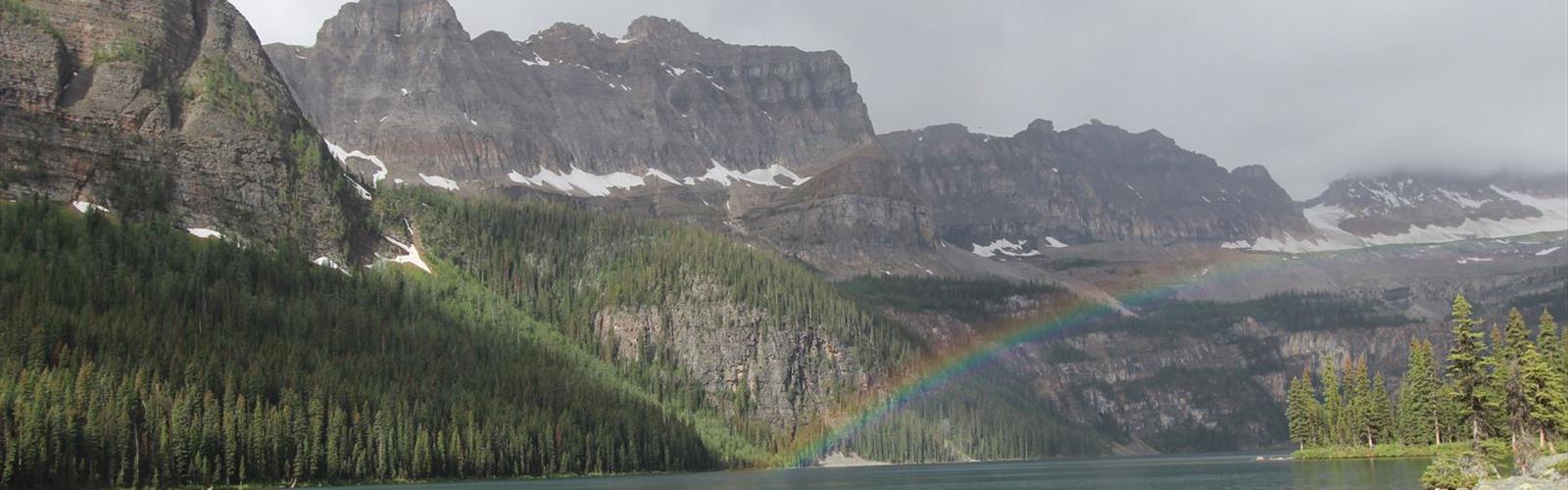
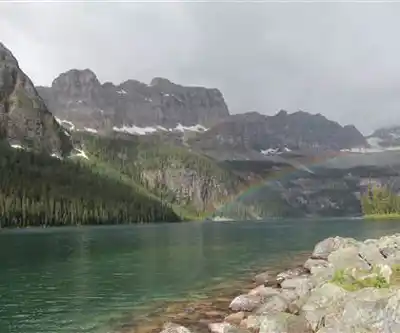
Taylor Lake sits in a natural rock-and-forest basin, and the first view of it tends to stop people mid-stride. The water is exceptionally clear — cold, alpine-fed clarity that lets you see straight down into the depths. On calm mornings, the surrounding peaks reflect off the surface almost perfectly. The light shifts dramatically throughout the day, with early morning mist and afternoon shadows playing across the rock faces in ways that make the same view look completely different depending on when you arrive.
The shoreline has plenty of spots to settle in — large flat rocks make natural seats, and the wildflower growth around the lake's edge during summer adds color against the evergreens. The water stays cold throughout the hiking season, as expected from a lake fed by snowmelt. Don't plan on swimming unless you're genuinely committed to the cold.
Wildlife
The trail corridor and lake basin both support active wildlife. Deer are common in the lower forested sections, particularly in the early morning and evening hours. Higher up, near the lake, marmots are a regular presence in the rocky areas — you'll often hear their sharp whistles before you see them. Bird activity runs the full range of the trail, from forest species in the lower elevations to alpine birds near the lake itself.
Give animals space. Observing from a distance is both safer and more rewarding — animals that aren't pressured tend to behave naturally and stick around longer.
When to Go
The trail is typically accessible from late May or early June through early fall, depending on snowpack. Higher elevations near the lake can hold snow patches well into early summer even after the lower trail has cleared. Summer offers the most stable weather, but afternoon thunderstorms are a real possibility — the exposed terrain near the lake offers little shelter, so an early start is always the smarter call.
Early fall is worth considering seriously. Crowds thin out, temperatures are comfortable for climbing, and the foliage change adds a layer to the scenery that summer doesn't offer. Just be aware that weather becomes less predictable as the season progresses, and temperatures drop faster at elevation than they do in the valley.
Winter closes this trail to most hikers. Snow accumulation and avalanche risk in the upper elevations make it a different proposition entirely outside of the main hiking season.
What to Bring
Carry more water than you think you need. The elevation gain combined with dry mountain air accelerates dehydration, and there are no reliable water sources on the trail until you reach the lake itself. If you plan to use lake water, bring a filter or purification tablets — don't count on it being safe straight from the source.
Footwear matters on this trail. The mix of rocky terrain, root systems, and elevation change makes ankle support a genuine consideration, not just a recommendation. Sturdy hiking boots will serve you better than trail runners on the descent in particular.
Layer up. Conditions at the lake can be significantly cooler than at the trailhead, and mountain weather shifts without much warning. A wind layer and something warm take up minimal space and make a real difference if the weather turns or you spend time sitting at the lake after the climb.
Check the forecast before you leave, and be willing to turn back if conditions deteriorate on the way up. The mountain will be there on a better day.
The Essential Hiking Checklist
Everything you need for your next hike. Bilingual, printable, 1 page.
Get your free hiking checklistRecommended gear for this trail
As an Amazon Associate I earn from qualifying purchases.


Ready to go?
Everything you need to know before you goStarting Point
The taylor lake trails are located in the Kananaskis Country area of Alberta. To get to the start of the trails, take Highway 40 south from Calgary and turn left onto the Smith-Dorrien Trail (Highway 742). The trailhead is located about 18 km down the road.
When?
How much?
As an Amazon Associate I earn from qualifying purchases.
Affiliate links — LGPO may earn a commission at no extra cost to you.
- Hiking shoes Essential
- → Salomon Elixir Tour Mid WP · 203.38 $
- Layered clothing Essential
- Rain jacket Essential
- Trekking poles
- → Black Diamond Trail Ergo Cork · 69.99 $
- Headlamp
- → Petzl Actik Core 625 · 103.95 $
FAQ - Frequently asked questions
Everything you need to knowSimilar hikes nearby
Discover other trails you might enjoy
Fossil Mountain
Canadian Rockies

Snake Indian Mountain
Canadian Rockies
Mushroom Peak
Canadian Rockies
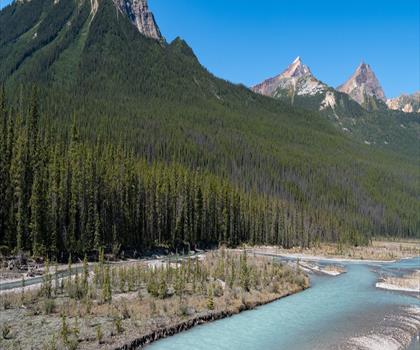
Mount Woolley
Canadian Rockies
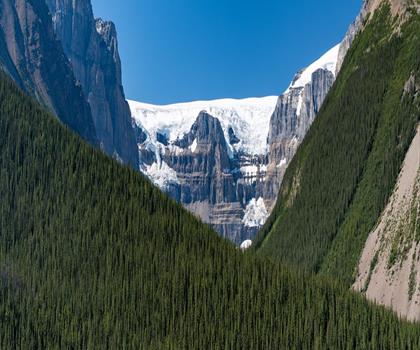
Stutfield Peak
Canadian Rockies
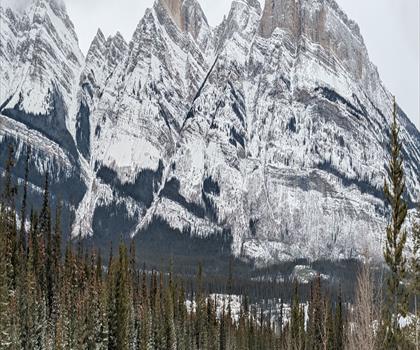
Mount Sarbach
Canadian Rockies
Hiking near Banff
187 trails to explore ~39 km away
We work hard to provide the most up-to-date and error-free data possible. If something seems incorrect, let us know! Your contribution helps the whole community.
Hikers' opinions
Be the first to review!
No hiker has shared their experience yet. Share your impressions and help other hikers!