
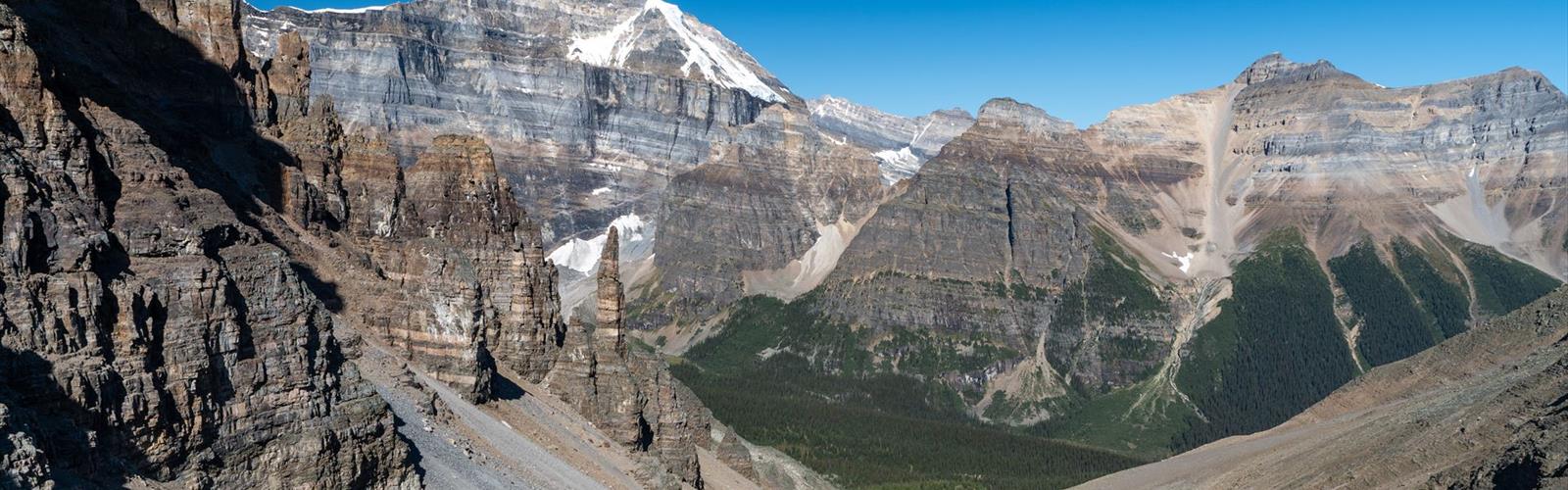

Ready to explore Temple Lake? Here's everything you need to know before you go!
Discover the trail
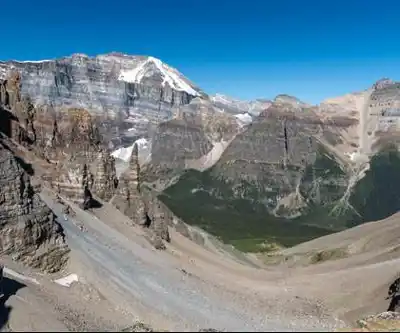
Photos: Christoph Strässler from Oberdorf BL, Schweiz — CC BY-SA 4.0 (Wikimedia Commons)
Trail description
Temple Lake is one of those destinations in the Canadian Rockies that earns its reputation through the hike itself, not just the payoff at the end. The 12-kilometer round trip with 500 meters of elevation gain sits comfortably in the moderate category — enough to feel like a real day out, but not so demanding that you arrive at the lake too wrecked to enjoy it. Budget around four hours and fifteen minutes for the full experience.
The Trail
The route starts in dense coniferous forest, the kind of thick Rocky Mountain timber where the trail feels enclosed in the best possible way. Towering pines and firs form a canopy overhead, and the forest floor stays relatively quiet underfoot. It's a good warm-up section — the grade is gentle enough to let you find your stride before the trail starts asking more of you.
As you gain elevation, the forest begins to open. The transition happens gradually, with the trees thinning out and the sky expanding above you before you fully realize the character of the hike has shifted. These open sections give you your first real views of the surrounding peaks and a sense of how much ground you've covered. The Canadian Rockies have a way of making elevation feel earned rather than punishing, and this trail is a good example of that.
The 500 meters of elevation gain is distributed sensibly across the route. There are steeper pitches, but the trail uses switchbacks where the terrain demands it, keeping the grade manageable throughout. You're working, but you're not suffering — which is exactly where a moderate hike should land.
What You'll See Along the Way
The mixed terrain along the trail — forest, open slopes, and meadow sections — creates the kind of habitat variety that keeps a hike visually interesting from start to finish. The meadow stretches are particularly worth slowing down for. Wildflowers push through during the summer months, and these clearings offer natural spots to stop, catch your breath, and take in the broader landscape before the trail pulls you back into the trees.
Wildlife is a genuine part of the experience here. Deer are common, especially in the meadow sections during the quieter parts of the day. Moose show up near water and in the denser forest stretches. The Canadian Rockies support healthy populations of both, and a patient hiker will often spot something worth stopping for. Keep your eyes open and your noise level reasonable, and the trail tends to reward you.
Bird activity is consistent throughout the route. The mix of forest and open terrain attracts different species depending on where you are on the trail, which gives birders something to pay attention to beyond just the destination.
Temple Lake
The lake itself sits in a natural basin with the kind of setting the Canadian Rockies do better than almost anywhere. The water is clear, the surrounding peaks provide a dramatic backdrop, and on a calm day the reflections are the sort of thing that makes you reach for your camera whether you planned to or not. The shoreline has multiple spots to spread out — flat rocks, natural ledges, grassy edges — so finding a place to eat lunch or just sit quietly isn't a problem even if other hikers are around.
The views from the lake extend well beyond the immediate basin. The open exposure at this elevation lets you look out across a significant stretch of the Rockies, which puts the scale of the landscape into perspective in a way that the forested lower sections of the trail don't.
Practical Notes
Weather in the Canadian Rockies moves fast, and Temple Lake's elevation means you can go from warm and sunny to cold and windy in less time than it takes to eat a snack. Layered clothing isn't optional here — it's just part of how you pack for a day in the mountains. A rain shell and an insulating layer take up almost no space and make a real difference if conditions shift.
Carry enough water for the full 12 kilometers. The trail is well-marked, but you're still operating in genuine backcountry, which means self-sufficiency matters. Basic first aid, sun protection, and more food than you think you need are standard practice for a hike of this length in the Rockies.
Leave No Trace principles apply throughout — stay on the established trail, pack out everything you bring in, and give wildlife the space they need. The condition of Temple Lake reflects the care that hikers have shown for it, and keeping that standard is a shared responsibility.
The Essential Hiking Checklist
Everything you need for your next hike. Bilingual, printable, 1 page.
Get your free hiking checklistRecommended gear for this trail
As an Amazon Associate I earn from qualifying purchases.


Ready to go?
Everything you need to know before you goStarting Point
The temple lake trails are located in the town of Cochrane, Alberta. To get to the start of the trails, take Highway 1A west out of Cochrane and turn left onto Highway 22. The trailhead is located at the end of the highway.
When?
How much?
As an Amazon Associate I earn from qualifying purchases.
Affiliate links — LGPO may earn a commission at no extra cost to you.
- Hiking shoes Essential
- → Salomon Elixir Tour Mid WP · 203.38 $
- Layered clothing Essential
- Rain jacket Essential
- Trekking poles
- → Black Diamond Trail Ergo Cork · 69.99 $
- Headlamp
- → Petzl Actik Core 625 · 103.95 $
FAQ - Frequently asked questions
Everything you need to knowSimilar hikes nearby
Discover other trails you might enjoy
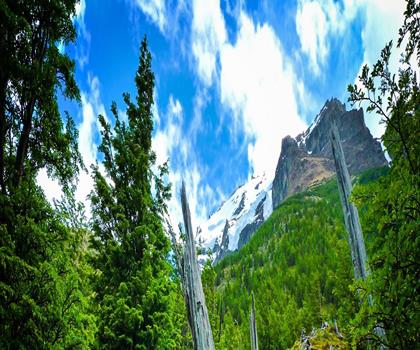
Fossil Mountain
Canadian Rockies

Snake Indian Mountain
Canadian Rockies
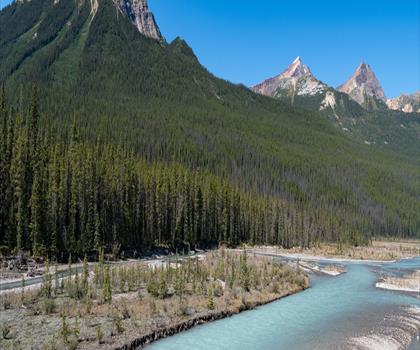
Mushroom Peak
Canadian Rockies
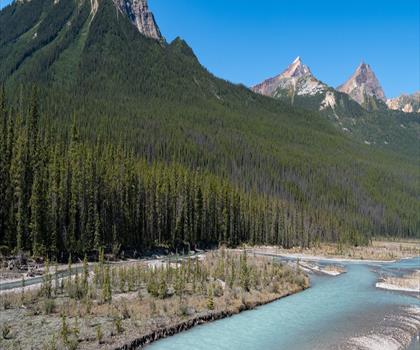
Mount Woolley
Canadian Rockies
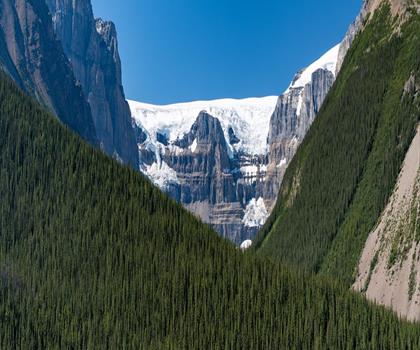
Stutfield Peak
Canadian Rockies
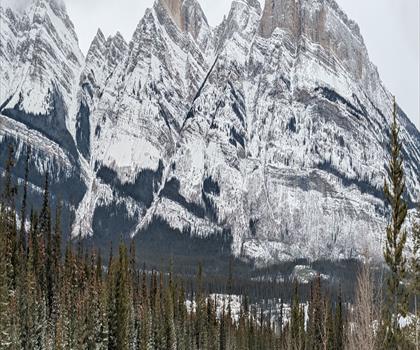
Mount Sarbach
Canadian Rockies
Hiking near Banff
187 trails to explore ~47 km away
We work hard to provide the most up-to-date and error-free data possible. If something seems incorrect, let us know! Your contribution helps the whole community.
Hikers' opinions
Be the first to review!
No hiker has shared their experience yet. Share your impressions and help other hikers!