
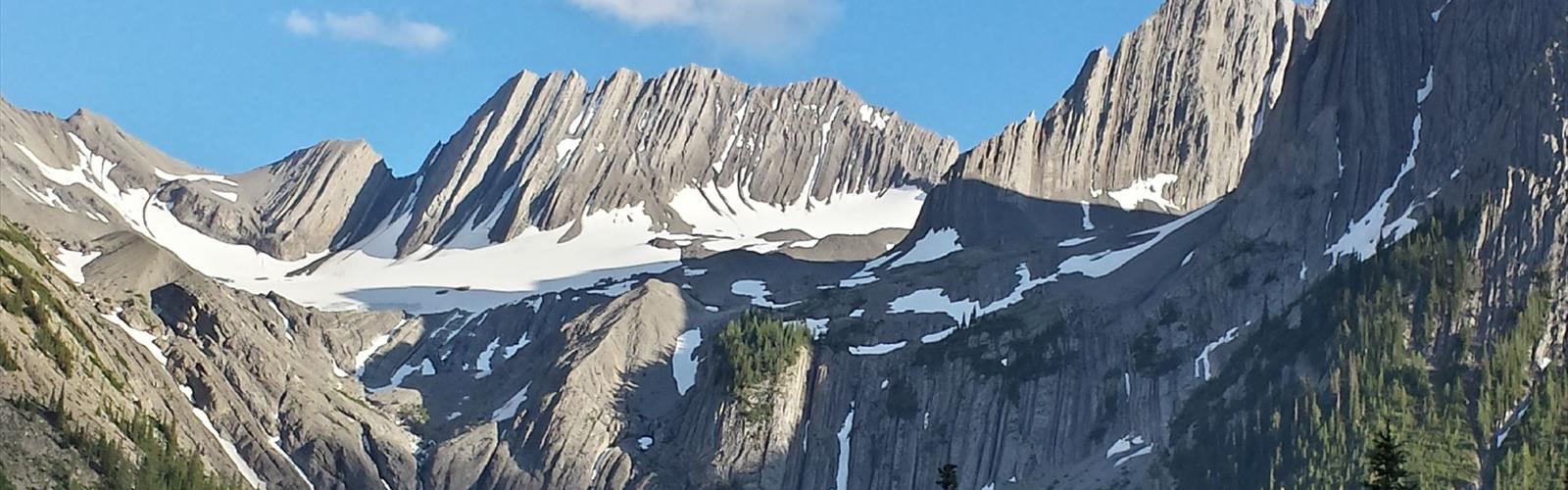

Ready to explore Three Isle Lake? Here's everything you need to know before you go!
Discover the trail
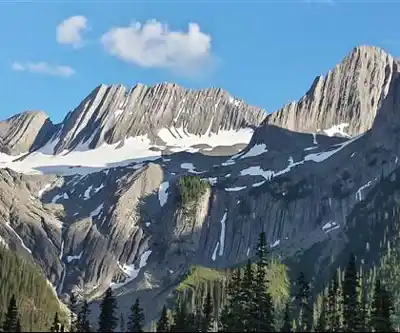
Trail description
Three Isle Lake sits tucked away in the Canadian Rockies, offering one of the region's most rewarding backcountry experiences. This alpine gem delivers the kind of pristine mountain scenery that makes the Canadian Rockies legendary, but without the crowds you'll find at more famous destinations. The lake's three small islands give it its name and create a distinctive silhouette against the surrounding peaks that becomes more pronounced as water levels fluctuate throughout the season.
The journey to this remote destination spans 11 kilometers one-way with 500 meters of elevation gain, making it a challenging full-day adventure that typically takes around 3.5 hours to reach the lake. The trail begins at the Upper Kananaskis Lake trailhead, where you'll embark on a journey that showcases the incredible diversity of terrain that defines this corner of the Canadian Rockies.
The Trail Experience
From the trailhead, you'll initially wind through dense montane forest where towering spruce and fir trees create a cool, shaded corridor. The trail here is well-established but can be muddy in early season or after heavy rains. The forest floor is carpeted with typical boreal understory plants, and the air carries the fresh scent of pine and damp earth. As you gain elevation, the sound of cascading waterfalls becomes your constant companion, with several impressive falls visible from the trail that provide natural rest stops and photo opportunities.
The middle section opens into expansive alpine meadows that burst with wildflowers during peak summer months. Here, the trail becomes more exposed, offering your first glimpses of the dramatic peaks that surround this valley. The terrain shifts between rocky sections that require careful footing and softer meadow paths where you can pick up your pace. This is where the real character of the hike emerges – you're no longer just walking through forest, but truly experiencing the alpine environment that makes the Canadian Rockies special.
The final approach to Three Isle Lake involves a steady climb through increasingly alpine terrain. Rocky outcrops become more frequent, and the vegetation transitions to hardy alpine species adapted to the harsh mountain environment. Krummholz – those twisted, wind-sculpted trees that mark the treeline – begin to appear, signaling your arrival in true alpine territory. This section demands more attention to route-finding, especially in poor weather conditions, as the trail can become less obvious among the rocky terrain.
At the Lake
Three Isle Lake itself sits in a dramatic cirque surrounded by rugged mountain walls that rise steeply from the water's edge. The lake's distinctive turquoise waters reflect the sky and surrounding peaks, creating the kind of mirror-like surface that makes for stunning photography, particularly during the calm morning and evening hours. The three small islands that give the lake its name are most prominent when water levels are at their seasonal peak, typically in early to mid-summer.
The shoreline offers several excellent spots for extended breaks or overnight camping for those with proper backcountry permits. Rocky ledges provide natural seating areas with commanding views across the water, while small patches of alpine grass create comfortable spots to spread out gear and enjoy a well-earned lunch. The lake's elevation means temperatures remain cool even on warm summer days, making it an ideal refuge during hot weather in the valleys below.
Water from the lake is crystal clear but should always be treated before drinking. The rocky bottom drops off quickly in most areas, and the water remains extremely cold throughout the hiking season – a quick dip is invigorating but brief for most visitors. The clarity of the water often makes it appear shallower than it actually is, so exercise caution if you venture near the water's edge.
Wildlife and Natural Features
The diverse habitats along the Three Isle Lake trail support an impressive variety of wildlife that changes as you move through different elevation zones. In the forested sections, watch for deer moving quietly through the understory, particularly during early morning or evening hours when they're most active. The transition zones between forest and meadow are particularly productive for wildlife viewing.
The open meadows are prime habitat for hoary marmots, whose distinctive whistles often echo across the landscape as they warn their colonies of approaching hikers. These charismatic rodents are often seen sunning themselves on rocks during warm afternoons. Pikas, those small rabbit-like creatures, inhabit the rocky areas and can be heard calling from the talus slopes even when they remain hidden from view.
Black bears and grizzly bears both inhabit this area, making proper food storage and bear awareness essential throughout your hike. Bears are most commonly encountered in the berry-rich meadow sections during late summer when huckleberries and other mountain fruits ripen. Mountain goats occasionally appear on the steep slopes above the lake, their white coats standing out against the dark rock faces as they navigate terrain that seems impossibly steep.
Birdlife is particularly diverse, with species ranging from forest dwellers like gray jays and Clark's nutcrackers to alpine specialists such as white-tailed ptarmigan and rosy-crowned rosy-finches. Raptors including golden eagles and red-tailed hawks are frequently seen soaring above the ridgelines, taking advantage of the thermals that rise from the sun-warmed valleys below.
Seasonal Considerations and Planning
The hiking season for Three Isle Lake typically runs from late June through early September, though these dates can vary significantly based on snowpack and weather conditions. Early season hikers may encounter snow patches on north-facing slopes and muddy conditions in forested sections where snowmelt creates temporary streams and boggy areas. Creek crossings can be more challenging during spring runoff when water levels are at their highest.
July and August offer the most reliable conditions, with wildflowers at their peak and the warmest temperatures. However, these months also bring the highest likelihood of afternoon thunderstorms, which can be particularly dangerous in the exposed alpine sections of the trail. The weather can change from sunny and warm to cold and threatening within minutes in this mountain environment.
September hiking can be spectacular, with fall colors beginning to appear in the lower elevations and fewer insects to contend with, but weather becomes increasingly unpredictable. Early snowfall can occur any time after mid-September, potentially making the trail impassable or dangerous for unprepared hikers.
Weather conditions change rapidly in this mountain environment, and the hard difficulty rating reflects not just the physical demands but also the need for proper preparation and decision-making skills. Even on warm summer days, temperatures can drop significantly with elevation gain or changing weather. Pack layers including insulation and rain protection regardless of the forecast, and be prepared to turn back if conditions deteriorate.
The Essential Hiking Checklist
Everything you need for your next hike. Bilingual, printable, 1 page.
Get your free hiking checklistRecommended gear for this trail
As an Amazon Associate I earn from qualifying purchases.


Ready to go?
Everything you need to know before you goStarting Point
The start of the trails at the three isle lake in Alberta can be accessed by travelling east on Highway 11 from Edmonton. The trailhead is located approximately 45 kilometres east of Edmonton.
When?
How much?
As an Amazon Associate I earn from qualifying purchases.
Affiliate links — LGPO may earn a commission at no extra cost to you.
- Hiking shoes Essential
- → Salomon Elixir Tour Mid WP · 203.38 $
- Layered clothing Essential
- Rain jacket Essential
- Trekking poles
- → Black Diamond Trail Ergo Cork · 69.99 $
- Headlamp
- → Petzl Actik Core 625 · 103.95 $
FAQ - Frequently asked questions
Everything you need to knowSimilar hikes nearby
Discover other trails you might enjoy
Fossil Mountain
Canadian Rockies

Snake Indian Mountain
Canadian Rockies
Mushroom Peak
Canadian Rockies
Mount Woolley
Canadian Rockies
Stutfield Peak
Canadian Rockies
Mount Sarbach
Canadian Rockies
Hiking near Canmore
200 trails to explore ~51 km away
We work hard to provide the most up-to-date and error-free data possible. If something seems incorrect, let us know! Your contribution helps the whole community.
Hikers' opinions
Be the first to review!
No hiker has shared their experience yet. Share your impressions and help other hikers!