
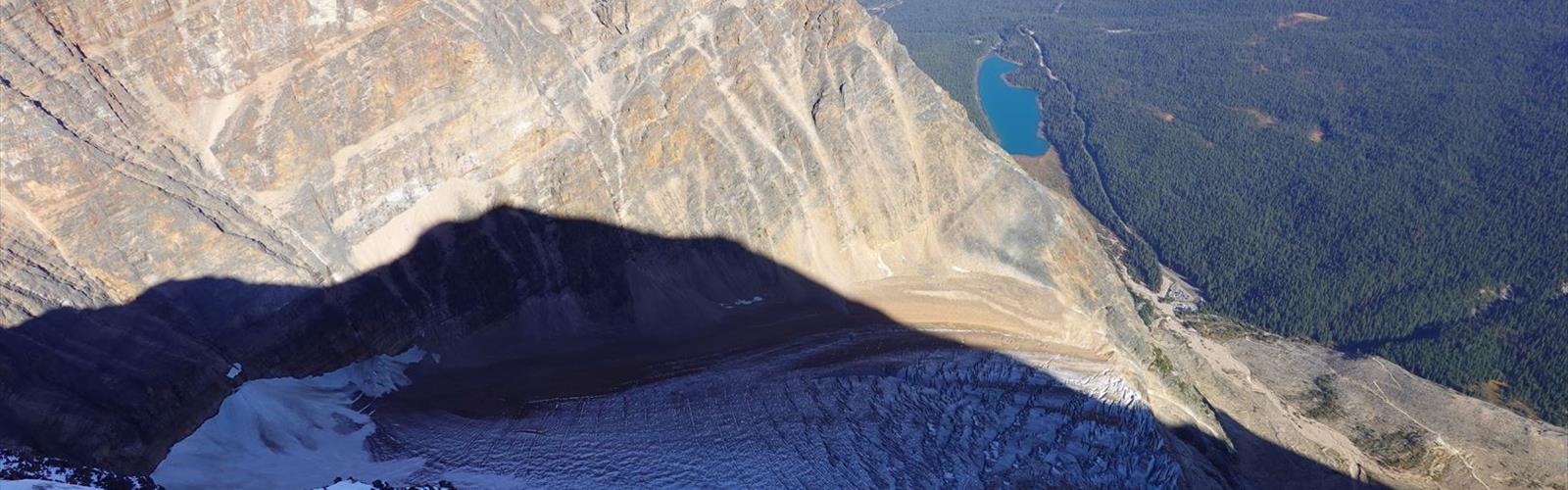

Ready to explore Tonquin Valley Loop? Here's everything you need to know before you go!
Discover the trail
Trail description
The Tonquin Valley Loop is one of Jasper National Park's most rewarding multi-day backcountry experiences. At 44 kilometers with 760 meters of elevation gain, this hard-rated circuit typically takes three to four days to complete — and it earns every bit of that commitment. If you're looking for a route that puts you deep into the Canadian Rockies with genuine wilderness all around, this is it.
The trail begins at the Tonquin Valley trailhead and eases you in gradually. The opening kilometers move through subalpine forest with manageable terrain, giving you time to find your pace and settle into the rhythm of a multi-day carry. Don't let the gentle start fool you — the route gets significantly more demanding as you push further into the valley.
Into the Valley
As the trail climbs and the forest opens up, the scale of the landscape starts to reveal itself. The Tonquin Valley sits beneath the Ramparts, a dramatic wall of peaks that forms one of the most striking mountain backdrops in the entire Canadian Rockies. These jagged summits rise sharply above the valley floor, and once you're in their shadow, the sense of remoteness is immediate and real.
Alice Lake appears roughly six kilometers into the hike and marks a natural milestone. The lake is fed by glacial meltwater and sits in a classic alpine setting — clear water, surrounding peaks, and the kind of quiet that's hard to find on more accessible trails. It's a solid spot to take a proper break, filter water, and take stock of the terrain ahead. On a warm summer day, a quick dip is absolutely on the table if you can handle the cold.
Beyond Alice Lake, the trail continues through a mix of terrain that keeps things interesting: dense forest transitions into open meadows, and those meadows give way to rocky alpine zones as elevation increases. Each section has its own character, and the views evolve constantly as you move through them.
The Ramparts and Amethyst Lakes
The heart of the Tonquin Valley is the area around Amethyst Lakes, where the full drama of the Ramparts comes into view. This is the kind of scenery that stops you mid-step — a long stretch of turquoise lake water with a near-vertical wall of peaks rising directly behind it. The reflection on calm mornings is exceptional. Most hikers set up camp in this area and use it as a base for a rest day or a side trip before continuing the loop.
The backcountry campsites in this section are well-positioned relative to the views, and the area sees enough use that the infrastructure is established, but not so much that it feels crowded. Permits are required for overnight camping in Jasper National Park's backcountry, and they should be secured well in advance — this route is popular with those who know about it.
Terrain and Physical Demands
The 760 meters of total elevation gain is spread across the full 44-kilometer loop, but the climbing isn't evenly distributed. There are sections with sustained steep pitches over rocky ground that require solid footing and a bit of patience. Wet conditions or lingering snow patches — common in early summer — add a layer of difficulty to these stretches. Trekking poles are genuinely useful here, not just a comfort item.
Navigation is straightforward on the main trail, but attention to route-finding matters in a few spots, particularly where the path crosses open rocky terrain or where weather reduces visibility. This isn't a technical route, but it's not a trail where you can zone out either.
Water sources are plentiful throughout — streams and waterfalls are regular features of the landscape, and filtering opportunities are never far away. That said, carrying enough capacity between reliable sources is still worth planning for.
Wildlife and Wilderness Character
The Tonquin Valley's relative remoteness means wildlife encounters are a real part of the experience. The valley and surrounding terrain support populations of grizzly bear, black bear, moose, and mountain caribou, among others. Standard bear country protocols apply: proper food storage, bear spray on your person, and awareness of your surroundings. The low human traffic compared to Jasper's front-country trails means animals are less habituated to people, which makes sightings more likely but also calls for more careful behavior.
The subalpine meadows in peak summer are genuinely impressive — wildflowers cover the open ground between the treeline and the rocky upper slopes, and the contrast with the grey and white peaks above makes for some of the best photography in the park.
Practical Considerations
This route requires a backcountry camping permit from Parks Canada, booked through the reservation system. The best hiking window runs from mid-July through mid-September, when snow has cleared from the higher sections and the passes are reliably open. Early season conditions can vary significantly year to year.
Pack for variable mountain weather regardless of the forecast. Afternoon thunderstorms are common in summer, and temperatures drop quickly once the sun goes behind the peaks. A full multi-day kit — shelter, layers, rain gear, bear canister or hang system, first aid — is non-negotiable given how far from the trailhead you'll be spending your nights.
The Tonquin Valley Loop rewards hikers who come prepared and take their time with it. The combination of the Ramparts, Amethyst Lakes, and the genuine backcountry feel of the route puts it in a category of its own within Jasper National Park.
The Essential Hiking Checklist
Everything you need for your next hike. Bilingual, printable, 1 page.
Get your free hiking checklistRecommended gear for this trail
As an Amazon Associate I earn from qualifying purchases.


Ready to go?
Everything you need to know before you goStarting Point
The tonquin valley loop is located in Jasper National Park, Alberta. To get to the start of the trails, take the Maligne Lake Road from the town of Jasper. The road is well-marked and will take you all the way to Maligne Lake. Once at the lake, continue driving until you reach the parking lot for the Tonquin Valley Trailhead.
When?
How much?
As an Amazon Associate I earn from qualifying purchases.
Affiliate links — LGPO may earn a commission at no extra cost to you.
- Hiking shoes Essential
- → Salomon Elixir Tour Mid WP · 203.38 $
- Layered clothing Essential
- Rain jacket Essential
- Trekking poles
- → Black Diamond Trail Ergo Cork · 69.99 $
- Headlamp
- → Petzl Actik Core 625 · 103.95 $
FAQ - Frequently asked questions
Everything you need to knowSimilar hikes nearby
Discover other trails you might enjoy
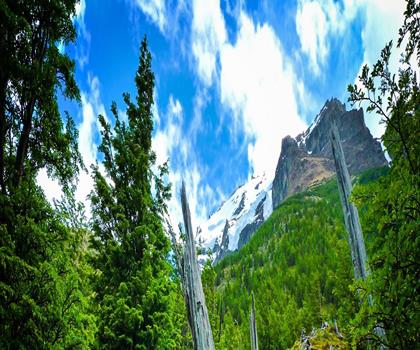
Fossil Mountain
Canadian Rockies

Snake Indian Mountain
Canadian Rockies
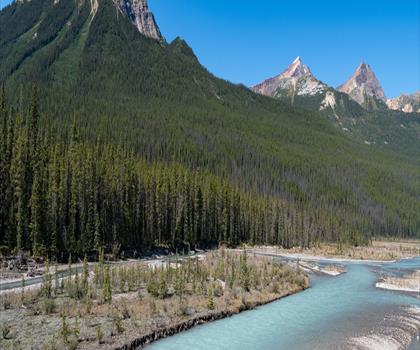
Mushroom Peak
Canadian Rockies
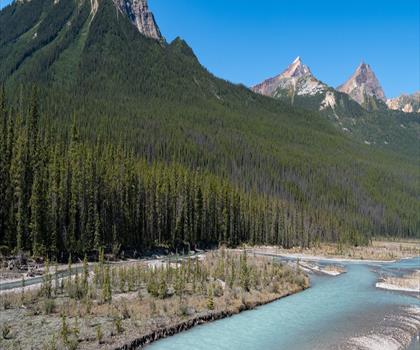
Mount Woolley
Canadian Rockies
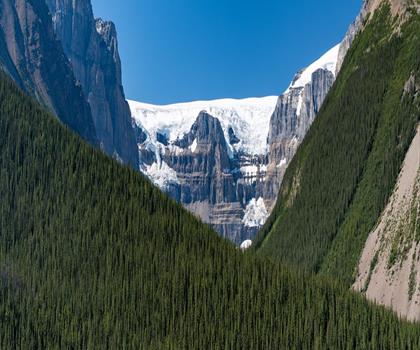
Stutfield Peak
Canadian Rockies
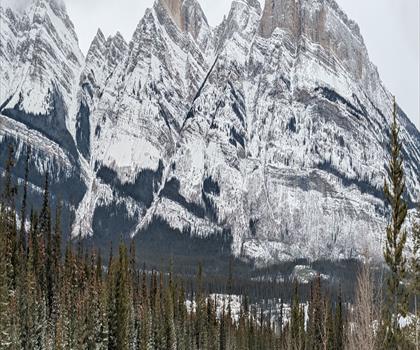
Mount Sarbach
Canadian Rockies
Hiking near Jasper
82 trails to explore ~17 km away
We work hard to provide the most up-to-date and error-free data possible. If something seems incorrect, let us know! Your contribution helps the whole community.
Hikers' opinions
Be the first to review!
No hiker has shared their experience yet. Share your impressions and help other hikers!