

Ready to explore Twintree Mountain? Here's everything you need to know before you go!
Discover the trail
Oh no! We don't have any photos 😢
This trail hasn't been captured yet. Be the first to share your adventure!Trail description
Twintree Mountain is a serious objective in the Canadian Rockies, and the numbers make that clear from the start: 16 km round trip, 2,544 m of elevation gain, and roughly 8.5 hours on the move. This is a full-day alpine effort that demands solid fitness, good route-finding judgment, and a genuine respect for mountain conditions. For those who show up prepared, it delivers the kind of summit experience that defines why people hike in the Rockies in the first place.
Trail Character and Terrain
The route moves through several distinct environments as you gain elevation, which keeps the experience engaging even when your legs are working hard. The lower section travels through dense coniferous forest typical of the Rockies — the kind of cool, shaded terrain where the trail stays firm underfoot and the surrounding trees block the wind. It's a good warm-up zone before things get more demanding.
As the forest thins, you'll transition into open alpine meadows where the views start opening up and the exposure increases. These mid-elevation sections are often the most visually rewarding stretch of the hike — the gradient is still manageable, the scenery is expansive, and you get a clear sense of how much vertical you still have ahead of you. In summer, wildflowers fill these meadows; later in the season, the grasses turn golden and the light takes on that sharp Rockies quality that makes every photo look effortless.
The upper mountain is where the route earns its hard rating. The terrain becomes rocky and loose in sections, requiring deliberate foot placement and steady movement. The elevation gain here is relentless, and the exposure to wind and weather increases significantly. Trekking poles are genuinely useful on this stretch — both for the climb and especially on the descent, when tired legs and loose rock are a combination that demands extra care.
The Summit
With 2,544 m of elevation gain behind you, the summit of Twintree Mountain delivers views that stretch across the Canadian Rockies in every direction. The scale of the landscape from up here is hard to describe accurately — layers of ridgelines, valleys, and distant peaks extending as far as visibility allows. On a clear day, it's the kind of panorama that makes you stand still for a while before you even think about reaching for your camera.
The summit area has enough room to sit down, eat, and properly take in the surroundings without feeling rushed. That said, conditions at this elevation can shift quickly. Cloud buildups, wind, and dropping temperatures are all real possibilities even on days that start clear at the trailhead. Keep an eye on the sky and don't linger past the point where conditions are turning.
Wildlife
The Canadian Rockies are home to a wide range of wildlife, and Twintree Mountain's varied terrain — from forested lower slopes to open alpine zones — creates habitat for multiple species. Deer are commonly seen along the lower trail, particularly in early morning. Moose are possible in wetter areas and meadows. The upper alpine zones can host marmots and pikas, both of which are worth watching for near the rocky sections.
Bird activity is consistent throughout the elevation range, with forest species in the lower sections and alpine specialists higher up. As with any Rockies hike, there's always the possibility of encountering larger predators — make noise on the trail, carry bear spray, and know how to use it.
Practical Preparation
An 8.5-hour day with this much elevation gain requires honest preparation. Water is a priority — carry more than you think you'll need, especially in warm weather when the exposed upper sections offer no shade. Food matters too; the caloric demand of sustained climbing at altitude is real, and bonking on a remote alpine route is a miserable experience.
Footwear should be sturdy, broken-in hiking boots with solid ankle support and reliable grip on wet rock. The upper terrain is unforgiving of soft soles or worn tread. Dress in layers — the temperature difference between the trailhead and the summit can be dramatic, and afternoon weather in the Rockies moves fast. A waterproof shell is non-negotiable.
Safety on the Mountain
Twintree Mountain's elevation gain and remote character put it firmly in the category of hikes where self-sufficiency matters. Cell coverage is unreliable at best. Tell someone your plan before you leave — your route, your expected return time, and what to do if you don't check in. A basic first aid kit, a headlamp, and an emergency layer should be in your pack regardless of the forecast.
The rocky upper sections are slippery when wet, and loose rock on the descent catches people off guard when fatigue sets in. Take your time, use your poles, and don't hesitate to turn around if the weather deteriorates or the timeline isn't working. The mountain will be there on the next clear day.
The Essential Hiking Checklist
Everything you need for your next hike. Bilingual, printable, 1 page.
Get your free hiking checklistRecommended gear for this trail
As an Amazon Associate I earn from qualifying purchases.


Ready to go?
Everything you need to know before you goStarting Point
To access the hiking trails, you can start from several trailheads. One option is to head to the main parking lot located at 123 Forest Road, which provides direct access to the trails. Alternatively, there is another trailhead at 456 Mountain Lane that offers a different starting point for your hike. Both locations are well-marked and have ample parking facilities.
When?
How much?
As an Amazon Associate I earn from qualifying purchases.
Affiliate links — LGPO may earn a commission at no extra cost to you.
- Hiking shoes Essential
- → Salomon Elixir Tour Mid WP · 203.38 $
- Layered clothing Essential
- Rain jacket Essential
- Trekking poles
- → Black Diamond Trail Ergo Cork · 69.99 $
- Headlamp
- → Petzl Actik Core 625 · 103.95 $
FAQ - Frequently asked questions
Everything you need to knowSimilar hikes nearby
Discover other trails you might enjoy
Fossil Mountain
Canadian Rockies

Snake Indian Mountain
Canadian Rockies
Mushroom Peak
Canadian Rockies
Mount Woolley
Canadian Rockies
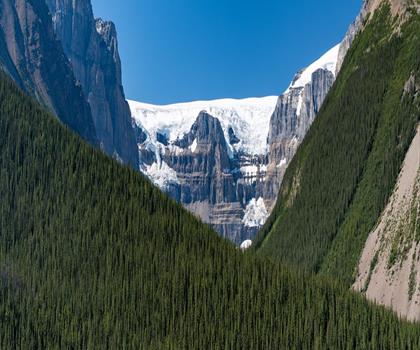
Stutfield Peak
Canadian Rockies
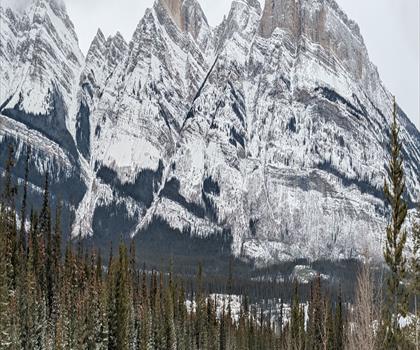
Mount Sarbach
Canadian Rockies
Hiking near Jasper
82 trails to explore ~91 km away
We work hard to provide the most up-to-date and error-free data possible. If something seems incorrect, let us know! Your contribution helps the whole community.
Hikers' opinions
Be the first to review!
No hiker has shared their experience yet. Share your impressions and help other hikers!