
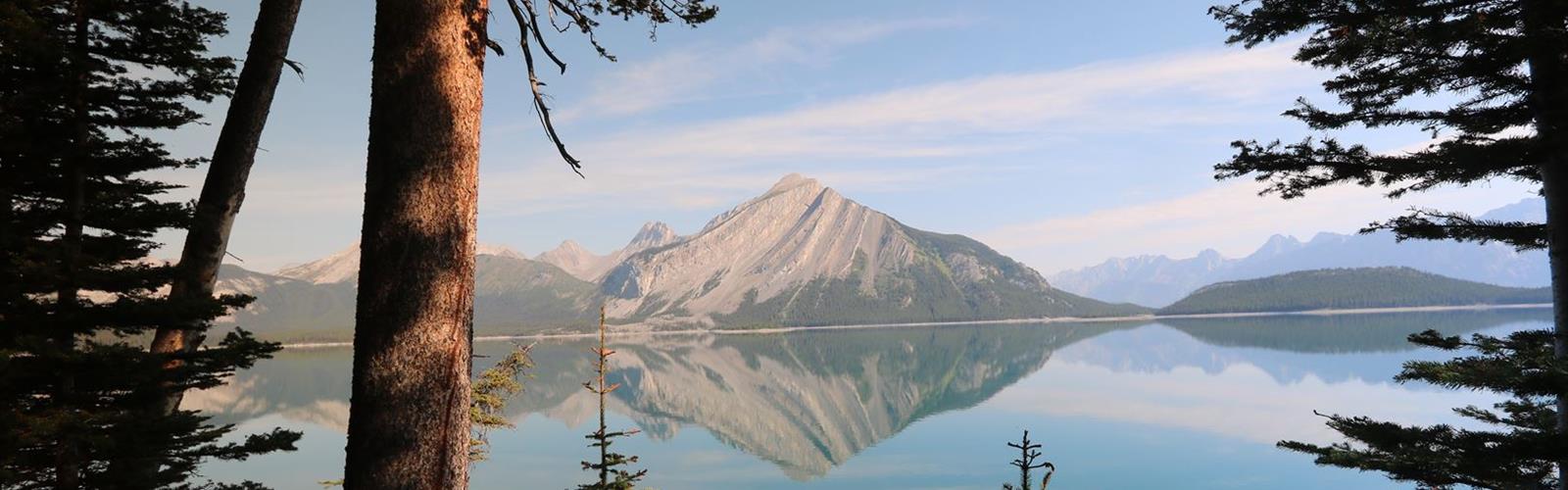

Ready to explore Upper Kananaskis Lake? Here's everything you need to know before you go!
Discover the trail
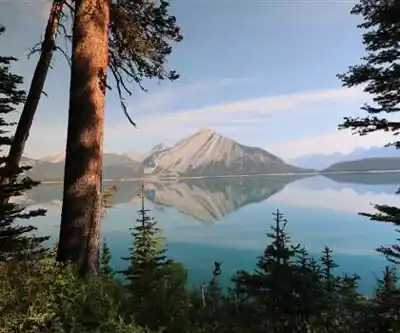
Photos: Thank you for visiting my page from Canada — CC BY 2.0 (Wikimedia Commons)
Trail description
Upper Kananaskis Lake sits in the heart of Peter Lougheed Provincial Park, where the Canadian Rockies create one of Alberta's most striking alpine settings. This expansive turquoise lake stretches beneath towering limestone peaks, offering hikers a basecamp for exploring some of the region's most rewarding trails. The area combines accessible lakeside paths with challenging backcountry routes, making it a destination that works whether you're planning a family outing or a serious mountain adventure.
The lake itself commands attention—its brilliant blue-green waters reflect the surrounding peaks of Mount Indefatigable, Mount Warspite, and the Opal Range. Dense spruce and fir forests blanket the lower slopes, giving way to exposed rock faces and alpine terrain higher up. This dramatic landscape shift happens quickly here, allowing hikers to experience multiple ecosystems within a single outing.
Trail Options and Terrain
The Upper Kananaskis Lake Trail forms the area's main hiking route—a loop that circles the entire lake. This moderate trail provides constantly changing perspectives of the water and surrounding peaks as you move from the developed day-use area through quieter forest sections and along the lake's remote northern shore. The route includes some elevation gain as it navigates around rocky headlands and through rolling terrain, but nothing too technical. Most hikers complete the loop in several hours, though the scenery invites plenty of stops for photos and rest breaks.
The trail surface varies from wide gravel paths near the parking areas to narrower dirt singletrack through the forest sections. You'll cross several small creeks via wooden bridges and navigate some rocky sections where the path hugs the shoreline. The northern portion of the loop feels more remote and wild, while the southern sections offer easier walking and more frequent lake views. The terrain here shifts from gentle lakeside walking to moderate climbs over rocky outcrops, keeping the hiking interesting without becoming overly demanding.
For a shorter but more dramatic destination, the Rawson Lake Trail branches off from the main lake trail system. This round-trip hike climbs steadily through dense forest before emerging at a small alpine lake surrounded by impressive cliff walls. The trail gains elevation more consistently than the lake loop, making it feel more challenging despite the shorter distance. The payoff comes when you reach Rawson Lake itself—a perfect cirque lake that feels completely removed from the busier main lake area below.
The path to Rawson Lake starts gently but becomes steeper as you climb through thick stands of spruce and fir. The final approach opens into a dramatic alpine bowl where the small lake sits beneath towering rock walls. This spot often holds snow well into summer, creating a stark contrast with the deep blue water. The trail here involves steady climbing over rocky terrain, with some sections requiring careful footing on loose stones and exposed roots.
Experienced hikers looking for an overnight adventure should consider the Three Isle Lake Trail. This trek pushes deeper into the backcountry, crossing diverse terrain including alpine meadows, rocky ridges, and dense forest sections. The trail culminates at Three Isle Lake, a pristine alpine destination that sees far fewer visitors than the main lake area. The route involves significant elevation gain and some technical sections, making it suitable for confident hikers with good navigation skills.
The Three Isle Lake trail starts by following the main lake trail before branching off into more challenging terrain. You'll climb through several distinct elevation zones, from lakeside forest through subalpine meadows to exposed alpine terrain. The final approach to Three Isle Lake involves some scrambling over rocky sections, but the remote setting and dramatic mountain views make the effort worthwhile.
Wildlife and Natural Features
The Upper Kananaskis Lake area supports diverse wildlife populations thanks to its varied habitats. Deer are commonly spotted along the main trails, particularly in early morning and evening hours. Moose frequent the marshy areas and small ponds scattered throughout the region. Black bears and grizzly bears both inhabit the area, making bear spray an essential piece of equipment for any hike here.
Birdwatchers will find plenty to observe, especially around the lake itself. Bald eagles and ospreys hunt over the water, while various waterfowl species use the quieter bays and inlets. The surrounding forests host typical Rocky Mountain bird species, and the higher elevation areas attract alpine specialists during summer months. The diverse elevation zones create distinct habitats that support different species at various levels.
The lake's distinctive color comes from glacial flour—fine rock particles suspended in the water from upstream glacial activity. This creates the brilliant turquoise shade that makes the lake so photogenic, though the intensity varies with seasons and weather conditions. The surrounding peaks show clear evidence of glacial carving, with sharp ridges and deep cirques that demonstrate the powerful forces that shaped this landscape.
Hiking Experience and Conditions
What sets Upper Kananaskis Lake apart from other mountain destinations is how quickly you can transition from developed facilities to genuine wilderness. The day-use area provides all the amenities you need, but within minutes of starting any trail, you're surrounded by pristine mountain forest. The main lake trail offers this transition gradually, while the branch trails to Rawson Lake and Three Isle Lake deliver you into increasingly wild terrain.
The hiking here feels distinctly alpine even at the lake level. The thin air and dramatic vertical relief of the surrounding peaks create an atmosphere that's unmistakably high-country, yet the trails remain accessible to hikers of varying abilities. Rock cairns mark the route in areas where the path crosses exposed bedrock, and the well-maintained trail system makes navigation straightforward on the main routes.
Planning Your Visit
Late spring through early fall provides the best hiking conditions, typically from May through October. Snow can linger on higher elevation trails well into June, while the main lake trail usually becomes accessible earlier in the season. Fall brings spectacular larch colors to the higher elevations, making September and early October particularly rewarding times to visit.
Trail conditions can change rapidly in mountain environments, so checking current conditions before heading out is always wise. Weather can shift quickly here, and afternoon thunderstorms are common during summer months. Starting early helps you avoid both crowds and potential weather issues. The exposed sections of trail offer little shelter, so being prepared for changing conditions is crucial.
Essential gear includes plenty of water, snacks or lunch, and bear spray for safety. The area's popularity means you'll likely encounter other hikers, but the remote sections of longer trails can feel quite isolated. Proper footwear is important, especially for the rockier sections of trail and any off-season hiking when conditions might be slippery.
The day-use area provides parking, picnic facilities, and washrooms, making it easy to combine hiking with other activities. The developed facilities also make this a good option for families, though parents should keep the longer trail distances in mind when planning with children.
The Essential Hiking Checklist
Everything you need for your next hike. Bilingual, printable, 1 page.
Get your free hiking checklistRecommended gear for this trail
As an Amazon Associate I earn from qualifying purchases.


Ready to go?
Everything you need to know before you goStarting Point
The upper kananaskis lake is located in the Kananaskis Country of Alberta. To get to the start of the trails, take the Trans-Canada Highway 1 to the exit for Kananaskis Country. Follow the Kananaskis Trail (Hwy 40) south for about 26 km until you reach the upper kananaskis lake.
When?
How much?
As an Amazon Associate I earn from qualifying purchases.
Affiliate links — LGPO may earn a commission at no extra cost to you.
- Hiking shoes Essential
- → Salomon Elixir Tour Mid WP · 203.38 $
- Layered clothing Essential
- Rain jacket Essential
- Trekking poles
- → Black Diamond Trail Ergo Cork · 69.99 $
- Headlamp
- → Petzl Actik Core 625 · 103.95 $
FAQ - Frequently asked questions
Everything you need to knowSimilar hikes nearby
Discover other trails you might enjoy
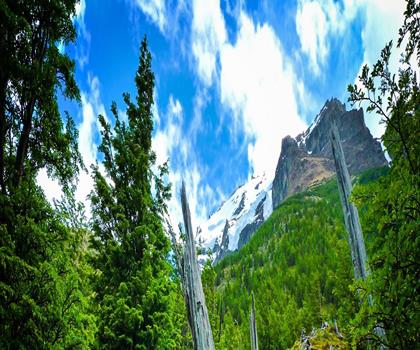
Fossil Mountain
Canadian Rockies

Snake Indian Mountain
Canadian Rockies
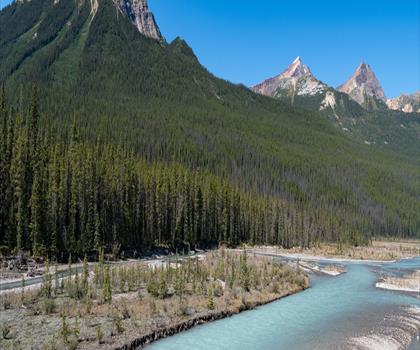
Mushroom Peak
Canadian Rockies
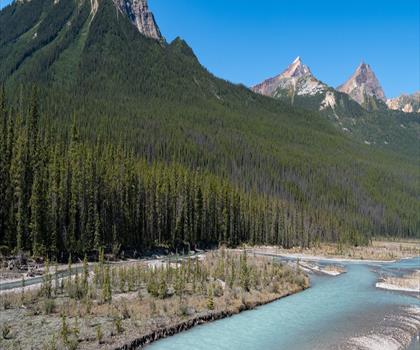
Mount Woolley
Canadian Rockies
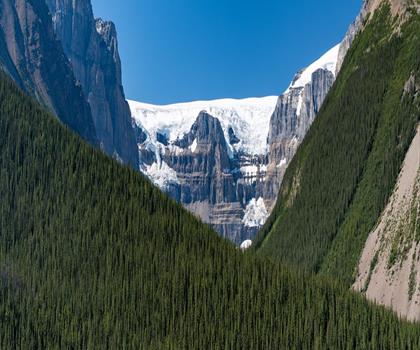
Stutfield Peak
Canadian Rockies
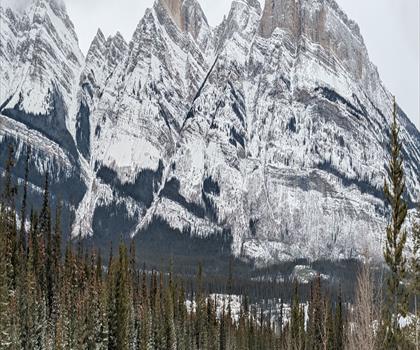
Mount Sarbach
Canadian Rockies
Hiking near Canmore
200 trails to explore ~54 km away
We work hard to provide the most up-to-date and error-free data possible. If something seems incorrect, let us know! Your contribution helps the whole community.
Hikers' opinions
Be the first to review!
No hiker has shared their experience yet. Share your impressions and help other hikers!