
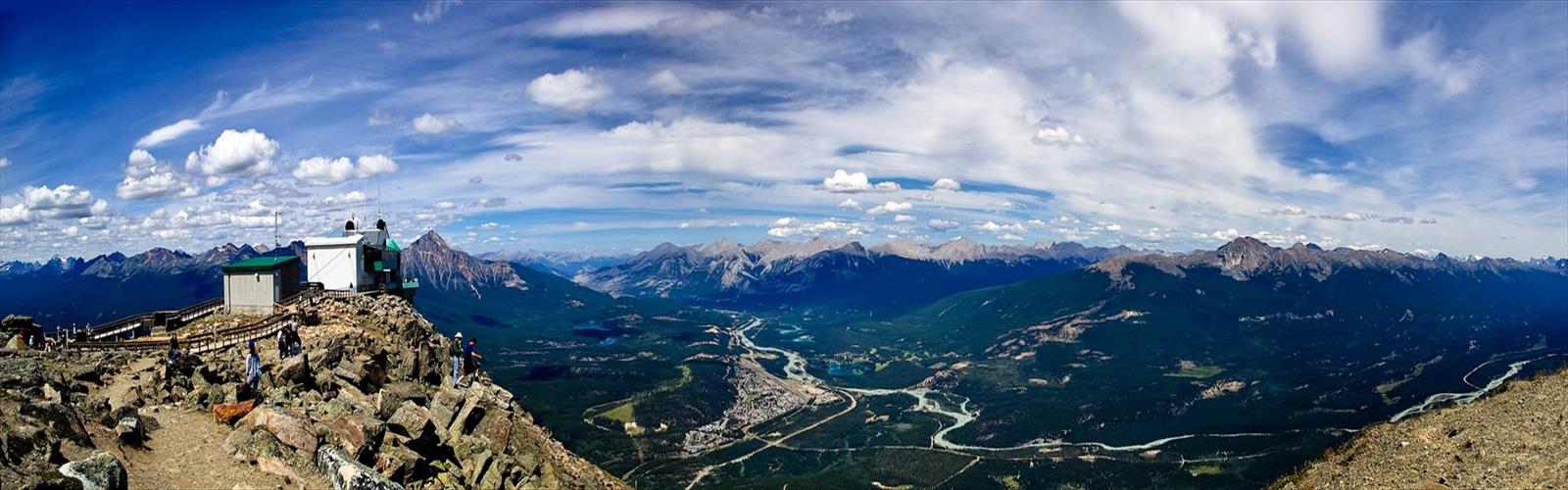
Ready to explore Whistlers Peak? Here's everything you need to know before you go!
Discover the trail
Oh no! We don't have any photos 😢
This trail hasn't been captured yet. Be the first to share your adventure!Trail description
Description
Whistlers Peak stands as one of the most accessible high-alpine experiences in the Canadian Rockies, offering hikers a chance to reach genuine mountain heights without the grueling approach that typically comes with such elevation. Located in Jasper National Park, this destination combines the convenience of the Jasper SkyTram with a rewarding summit hike that delivers some of the most expansive views in Alberta.
The Approach and Trail Experience
Your journey begins at the base station of the Jasper SkyTram, where you'll board the scenic tramway for a dramatic ascent to 2,263 meters (7,425 feet). The seven-minute ride itself becomes part of the adventure, with the gondola climbing steadily through different vegetation zones while the Athabasca Valley spreads out below. As you rise above the treeline, the scale of the surrounding peaks becomes increasingly apparent.
From the upper tram station, the trail to Whistlers Peak summit covers the remaining distance through alpine terrain that feels distinctly different from the forested valleys below. Here, you're walking through genuine alpine tundra where only the hardiest plants survive the harsh conditions. The trail is well-defined but rocky in places, requiring sure footing as you navigate loose scree and occasional boulder fields.
The thin air at this elevation may slow your pace if you're not accustomed to high-altitude hiking. The gradient is steady rather than steep, making this an achievable goal for most fitness levels, though the rocky terrain and elevation still demand respect and preparation. What makes this hike particularly appealing is how quickly you transition from the comfort of the tram station into a true wilderness alpine environment.
Summit Views and Alpine Environment
The summit of Whistlers Peak reveals why this hike has earned its reputation among Canadian Rockies enthusiasts. From this vantage point, the view encompasses an enormous sweep of mountain wilderness—snow-capped peaks extending to the horizon in every direction, with the Athabasca Valley cutting a green swath far below. On clear days, you can identify major peaks throughout the region, including Mount Robson to the west and the Columbia Icefield to the south.
The alpine environment itself tells a story of survival and adaptation. The vegetation consists primarily of low-growing cushion plants, alpine grasses, and hardy wildflowers that have evolved to withstand extreme temperature swings, intense UV radiation, and constant wind. During summer months, these plants create surprising splashes of color against the rocky landscape—purple alpine forget-me-nots, bright yellow mountain avens, and delicate white mountain heather among others.
Standing on the summit, you're experiencing one of the few places where you can reach true alpine conditions without a multi-day commitment. The sense of exposure and the 360-degree mountain panorama create an experience that rivals much more technical climbs, yet remains accessible to hikers with moderate experience and fitness.
Wildlife and Natural Features
The high-elevation ecosystem around Whistlers Peak supports wildlife species specifically adapted to alpine conditions. Hoary marmots are common sights, their distinctive whistling calls echoing across the rocky slopes—a sound that actually gave Whistlers Mountain its name. These large rodents often appear surprisingly tolerant of hikers, though they remain wild animals that should be observed from a respectful distance.
American pikas, small rabbit-like creatures, inhabit the talus slopes and boulder fields. These industrious animals spend their short summers gathering vegetation to dry in haypiles for winter survival. Their sharp chirping calls often alert you to their presence before you spot their gray-brown forms darting between rocks.
The geological features visible from the summit tell the story of the Canadian Rockies' formation. The layered sedimentary rock formations, thrust upward and tilted by ancient tectonic forces, create the dramatic angular profiles that define this mountain range. The evidence of glacial activity—U-shaped valleys, hanging valleys, and distant icefields—provides a visual lesson in how ice has sculpted this landscape over millennia.
Trail Conditions and Terrain
The path itself presents a fascinating study in alpine trail construction and maintenance. Unlike lower elevation trails that wind through forest, this route follows the natural contours of the mountain's upper slopes, taking advantage of ridges and stable ground wherever possible. The surface varies from packed earth to loose rock, with some sections requiring careful foot placement to maintain balance.
Weather exposure is a constant factor on this trail. With minimal shelter from wind or sudden weather changes, hikers experience the full force of mountain conditions. This exposure is part of what makes the hike feel authentic and challenging, but it also means conditions can shift from pleasant to difficult very quickly.
Seasonal Considerations and Conditions
The hiking season for Whistlers Peak typically runs from late June through early October, coinciding with the SkyTram's operating schedule. However, conditions can vary significantly even within this window. Early season hikes may encounter snow patches and muddy conditions as the alpine zone emerges from winter, while late season brings the possibility of early snowfall and more challenging weather.
Summer conditions offer the most reliable weather, though afternoon thunderstorms can develop quickly in the mountains. The alpine environment means temperatures remain cool even on warm valley days, and wind is a constant factor that can make conditions feel much colder than the actual temperature. The combination of elevation and exposure means weather changes happen fast and can be dramatic.
Essential Preparation and Gear
Weather conditions at this elevation can change rapidly and dramatically, making proper clothing essential for safety and comfort. Layered clothing allows you to adjust to changing conditions—start with moisture-wicking base layers, add insulating layers like fleece or down, and bring a windproof and waterproof outer shell. Even on seemingly perfect days, the combination of elevation, wind, and potential weather changes can create challenging conditions.
Sturdy hiking boots with good ankle support are strongly recommended for navigating the rocky terrain safely. The loose scree and uneven surfaces can easily cause ankle injuries for those wearing inadequate footwear. The rocky nature of the trail means every step requires attention, making proper footwear a safety essential rather than just a comfort consideration.
Bring plenty of water and high-energy snacks, as the combination of elevation and physical exertion increases your body's needs. The alpine environment offers no natural water sources, and the nearest facilities are back at the tram station.
Sun protection becomes critical at this elevation, where UV radiation is significantly more intense than at lower elevations. Sunglasses, sunscreen, and a hat are essential items, as the reflection off snow and rock can cause severe sunburn even on cloudy days. Staying on marked trails protects both the fragile alpine vegetation and your own safety, while following Leave No Trace principles ensures this remarkable environment remains pristine for future visitors to experience and enjoy.
Ready to go?
Everything you need to know before you goStarting Point
The start of the trails at the whistlers peak can be accessed from the parking lot located at the end of the road.
When?
How much?
- Hiking shoes Essential
- Layered clothing Essential
- Rain jacket Essential
- Trekking poles
- Headlamp
FAQ - Frequently asked questions
Everything you need to knowThe Essential Hiking Checklist
Everything you need for your next hike. Bilingual, printable, 1 page.
Download the free checklistSimilar hikes nearby
Discover other trails you might enjoy
Fossil Mountain
Canadian Rockies
Snake Indian Mountain
Canadian Rockies
Mushroom Peak
Canadian Rockies
Mount Woolley
Canadian Rockies
Stutfield Peak
Canadian Rockies
Mount Sarbach
Canadian Rockies
Hiking near Jasper
82 trails to explore ~6 km away
We work hard to provide the most up-to-date and error-free data possible. If something seems incorrect, let us know! Your contribution helps the whole community.
Hikers' opinions