


Ready to explore Aguasabon Falls? Here's everything you need to know before you go!
Discover the trail
Oh no! We don't have any photos 😢
This trail hasn't been captured yet. Be the first to share your adventure!Trail description
Description
Aguasabon Falls is one of Northeastern Ontario's most striking natural features — a place where the Aguasabon River drops 30 meters (98 feet) into a deep gorge carved from ancient Canadian Shield bedrock. Sitting just off Highway 17 on the eastern edge of Terrace Bay, it's the kind of stop that earns its reputation quickly. You don't have to work hard to get here, but what you find doesn't feel like a roadside attraction.
The Falls and the Gorge
The gorge is what makes Aguasabon Falls stand out. The river hasn't just created a waterfall — it's cut a canyon through layers of Precambrian rock, leaving vertical walls on both sides that frame the drop and amplify the sound. Standing at the main viewing platform, you're positioned directly across from the falls, close enough to feel the mist and hear the full weight of the water hitting the pool below.
The volume changes significantly with the seasons. During spring runoff — typically from late April through early June — the river runs high and loud, and you can hear the falls from the parking area before you even hit the trail. By midsummer, the flow settles down and the rock structure becomes more visible, including the geological layering in the gorge walls that tells the story of how this canyon formed over millions of years.
For photographers, morning light is the move. When sunlight filters through the boreal canopy and catches the mist rising from the gorge, the conditions are genuinely excellent. The platform gives you both wide-angle views of the full drop and tighter compositions focused on the water's texture as it moves over the rock ledges.
Trail and Terrain
The Aguasabon Gorge Trail follows the canyon rim through mixed boreal forest, giving you a series of views into the gorge before opening up at the main overlook. The surface is mostly packed earth with some rocky stretches, and wooden boardwalks cover the wetter sections closer to the river. Tree roots cross the path in places — nothing technical, but worth watching your footing.
The terrain has the honest character of the Canadian Shield: exposed granite outcrops, moss-covered boulders, and thin soils that force the trees to root around the rock rather than through it. The elevation change across the site is 30 meters, and the trail itself stays relatively level, following the natural contours of the landscape rather than climbing aggressively.
A few unofficial spur trails branch off from the main route toward additional viewpoints along the gorge rim. These are rougher and less defined than the main trail — loose rock, uneven ground — but they lead to quieter spots where you can take in the falls without the crowds that gather at the main platform on summer weekends.
The main viewing platform is less than a 10-minute walk from the parking area, which makes this accessible for families with kids and visitors who aren't looking for a full hiking day. That said, the platform itself involves some uneven ground and wooden steps, so it's not entirely flat from car to viewpoint.
Wildlife and Forest
The boreal forest around the falls supports the wildlife you'd expect in this part of Ontario. White-tailed deer are common along the trail edges, particularly in the early morning and evening. Black bears live in the area but tend to stay away from the developed trail. Red squirrels and chipmunks are reliably present throughout the forest understory.
Birdwatchers will find gray jays, black-capped chickadees, and multiple woodpecker species in the surrounding trees. Ravens are a regular presence above the gorge — their calls carry well off the rock walls. During migration, the area draws warblers and other songbirds moving through the Great Lakes region.
The plant life reflects classic Canadian Shield conditions: wild blueberry, Labrador tea, and various ferns in the understory, with lichens covering much of the exposed rock in patches of orange, yellow, and gray. The moist microclimate near the falls supports denser vegetation than you'd find on the drier ridges nearby.
Cultural History
The name "Aguasabon" comes from the Ojibwe language, and the falls have served as a landmark and gathering point for Indigenous peoples in this region for centuries — long before Highway 17 made it a convenient pull-off. That history is worth holding onto as you stand at the gorge edge. This is a landscape that has drawn people here for reasons that go well beyond tourism.
Getting There and What to Bring
The turnoff from Highway 17 is clearly signed, about 2 kilometers east of Terrace Bay. A short gravel road leads to a parking area that fits both cars and RVs. Parking is free and the site is accessible year-round, though winter visits mean snow-covered conditions and the need for appropriate footwear and driving awareness.
There are no restrooms or picnic tables on site. Terrace Bay, just a few minutes west, covers all the basics — gas, food, and accommodation if you're spending the night in the area.
A few things worth knowing before you go: the gorge edges can be unstable, and the drop is serious. Stay on the designated trails. The rocks near the falls get extremely slippery when wet, which is most of the time given the constant mist — proper footwear matters even for a short visit like this one.
Recommended gear for this trail


Ready to go?
Everything you need to know before you goStarting Point
The aguasabon falls are located in Terrace Bay, Ontario. To get to the start of the trails, take Highway 17 west to Terrace Bay. Turn left onto Highway 589 and drive north for about 10 km. The falls will be on your right.
When?
How much?
- Hiking shoes Essential
- → Salomon Elixir Tour Mid WP · 203.38 $
- Layered clothing Essential
- Rain jacket Essential
- Trekking poles
- → Black Diamond Trail Ergo Cork · 69.99 $
- Headlamp
- → Petzl Actik Core 625 · 103.95 $
FAQ - Frequently asked questions
Everything you need to know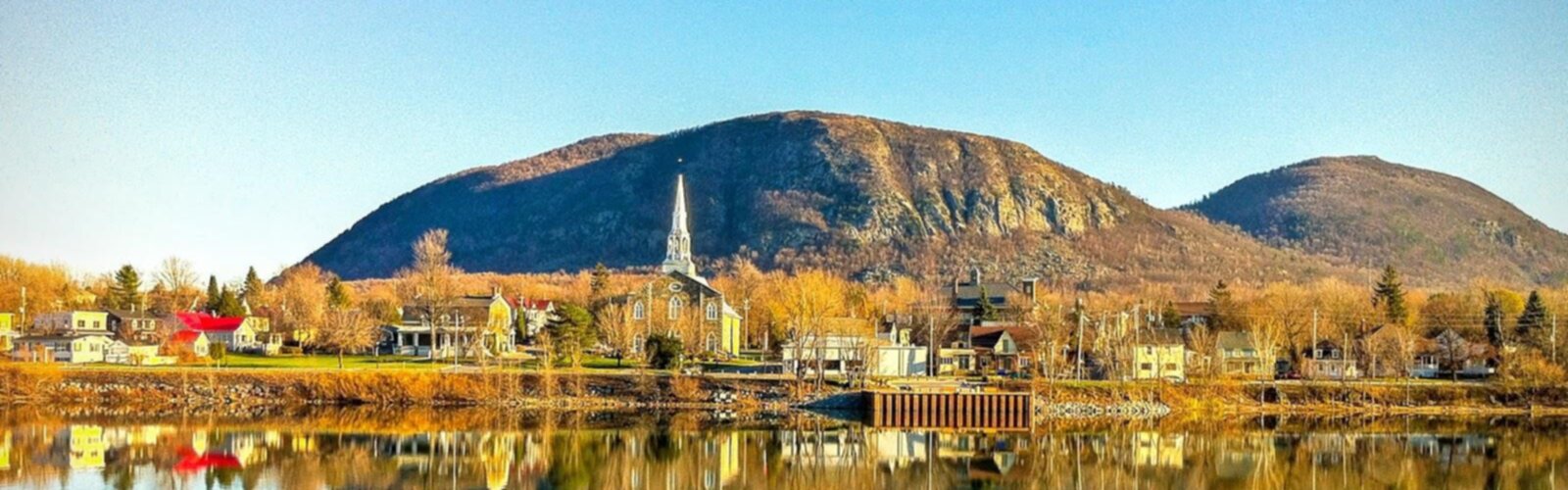
25 hikes under 2 hours from Montreal
Distance, elevation, parking and season for each one. The ones we go back to ourselves.
Get the guideSimilar hikes nearby
Discover other trails you might enjoy

Wolf Lake Mountain, Ontario
Northeastern Ontario
Daisy Lake
Northeastern Ontario
Mount Ararat
Northeastern Ontario
Ghost Range
Northeastern Ontario
Halfway Lake Provincial Park
Northeastern Ontario
Aubrey Falls
Northeastern Ontario
Hiking near Winnipeg
17 trails to explore ~738 km away
We work hard to provide the most up-to-date and error-free data possible. If something seems incorrect, let us know! Your contribution helps the whole community.
Hikers' opinions