
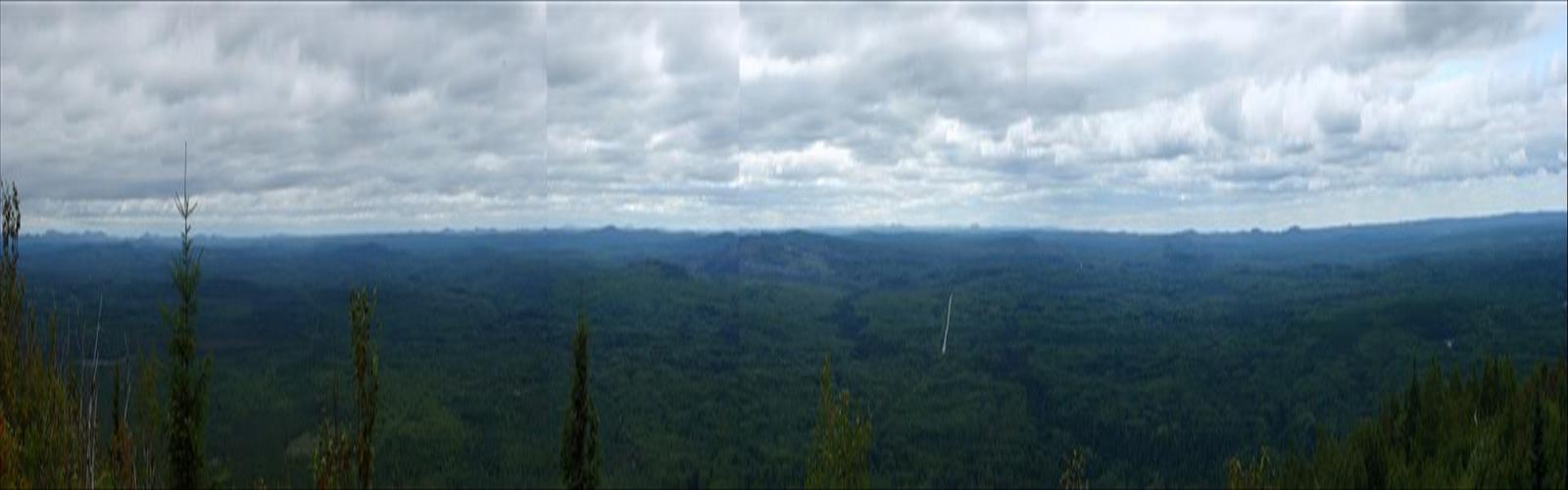

Ready to explore Ghost Range? Here's everything you need to know before you go!
Discover the trail
Trail description
Ghost Range is a hiking destination located in Northeastern Ontario, Canada. The name alone is enough to spark curiosity, and the area delivers on that intrigue with rugged terrain and the kind of remote, wild character that defines this part of the province. If you're looking for a place that feels genuinely off the beaten path in Northeastern Ontario, Ghost Range is worth putting on your radar.
The Terrain
Northeastern Ontario is defined by its Canadian Shield geology — exposed bedrock, mixed boreal forest, wetlands, and dramatic elevation changes that catch hikers off guard if they're not expecting them. Ghost Range fits squarely into that landscape. The area features the rocky, uneven ground typical of Shield country, where roots and lichen-covered stone are as much a part of the trail surface as dirt. Hikers should expect a natural, rugged experience rather than a groomed or heavily maintained path.
The forest cover in this region typically blends black spruce, jack pine, white birch, and trembling aspen, with pockets of old growth where the terrain has kept logging and development at bay. Views from elevated sections of the range open up over the surrounding boreal landscape, giving hikers a sense of just how vast and undeveloped this corner of Ontario really is.
What to Expect on the Trail
Ghost Range offers the kind of hiking experience that rewards people who are comfortable navigating less-developed trail systems. The terrain is honest — it doesn't try to be anything other than what it is. You'll move through forest, over rock, and across terrain that changes character as you gain and lose elevation through the range.
Because this is Northeastern Ontario, wildlife encounters are a real possibility. The region supports populations of moose, black bear, wolves, and a wide variety of boreal bird species. Keeping noise levels reasonable and carrying bear spray are standard practices in this part of the province. Loons, ravens, and hawks are commonly spotted from open ridgelines and near any water features in the area.
Trail markings in remote Northeastern Ontario locations can be minimal compared to more heavily visited parks further south. Bringing a map, a compass, or a downloaded offline GPS track is a smart move before heading out to Ghost Range. Cell coverage in this region is unreliable at best.
Getting There
Northeastern Ontario is a large and sparsely populated region, and Ghost Range reflects that reality. Access typically involves driving logging or resource roads that may not appear on standard navigation apps. A vehicle with reasonable ground clearance is an asset, particularly after rain or during shoulder seasons when road conditions can deteriorate quickly. Checking local road conditions before heading out is always a good idea in this part of the province.
Parking at trailheads in remote Northeastern Ontario areas is usually informal — a cleared shoulder or a small pull-off rather than a designated lot with facilities. Plan accordingly and leave no trace of your visit.
Best Time to Visit
The hiking season in Northeastern Ontario generally runs from late spring through early fall. Snow can linger well into May at higher elevations and on north-facing slopes, and it can return as early as October. The shoulder seasons — late May to early June and September into early October — offer cooler temperatures, fewer insects, and often the most dramatic light and colour in the landscape.
Blackfly and mosquito season peaks in late May and June across Northeastern Ontario. Insect repellent and head nets are not optional during this window — they're essential. By mid-July the worst of the insects typically subsides, and July through August offers the most comfortable conditions for extended time on the trail.
Fall is arguably the best time to hike in this region. The boreal forest puts on a strong show of colour, the bugs are gone, temperatures are crisp, and the trails are quiet. Moose are also more active during the fall rut, which makes wildlife sightings more likely — though it also means being more alert on the trail.
What to Bring
- Navigation tools: A downloaded offline map or GPS track, plus a paper map and compass as backup. Do not rely on cell service.
- Bear spray: Standard practice in Northeastern Ontario's backcountry.
- Insect protection: Repellent and a head net, especially from late May through early July.
- Water filtration: Natural water sources are available in the boreal, but always treat or filter before drinking.
- Layers: Weather in Northeastern Ontario can shift quickly, especially at elevation. A waterproof shell and an insulating mid-layer are worth carrying even on clear days.
- Sturdy footwear: The rocky, rooted terrain of the Canadian Shield demands boots with ankle support and a grippy sole.
- Extra food and a first aid kit: In remote areas, self-sufficiency is the baseline expectation.
Who This Hike Is For
Ghost Range is best suited to hikers who are comfortable with remote, self-supported outings. If you're used to well-signed, heavily trafficked trails with facilities at the trailhead, this area will feel like a step up in commitment. That's not a knock against it — it's exactly what makes it appealing to the right kind of hiker. People who come to Northeastern Ontario looking for solitude, genuine wilderness, and terrain that hasn't been softened for casual use will find Ghost Range delivers on all of those fronts.
Newer hikers or those unfamiliar with boreal backcountry travel would benefit from going with someone who has experience navigating this type of terrain before tackling Ghost Range independently.
Leave No Trace
Remote areas in Northeastern Ontario see far less foot traffic than parks in southern Ontario, which means the landscape is more sensitive to impact. Pack out everything you bring in, stay on established routes where they exist, and avoid disturbing wildlife or vegetation. The wildness of a place like Ghost Range is its defining quality — keeping it that way is a shared responsibility among everyone who visits.
The Essential Hiking Checklist
Everything you need for your next hike. Bilingual, printable, 1 page.
Get your free hiking checklistRecommended gear for this trail
As an Amazon Associate I earn from qualifying purchases.


Ready to go?
Everything you need to know before you goStarting Point
The ghost range is located in the northeast corner of Ontario, Canada. To get there, take Highway 11 north from Toronto to Highway 144. Turn east on Highway 144 and drive to the town of Cochrane. From Cochrane, take Highway 11 east to the town of Kapuskasing. From Kapuskasing, take Highway 11 north to the town of Hearst. From Hearst, take Highway 11 west to the town of Smooth Rock Falls. From Smooth Rock Falls, take Highway 11 north to the town of Moonbeam. From Moonbeam, take Highway 11 east to the ghost range.
When?
How much?
As an Amazon Associate I earn from qualifying purchases.
Affiliate links — LGPO may earn a commission at no extra cost to you.
- Hiking shoes Essential
- → Salomon Elixir Tour Mid WP · 203.38 $
- Layered clothing Essential
- Rain jacket Essential
- Trekking poles
- → Black Diamond Trail Ergo Cork · 69.99 $
- Headlamp
- → Petzl Actik Core 625 · 103.95 $
FAQ - Frequently asked questions
Everything you need to knowSimilar hikes nearby
Discover other trails you might enjoy

Wolf Lake Mountain, Ontario
Northeastern Ontario
Daisy Lake
Northeastern Ontario
Mount Ararat
Northeastern Ontario
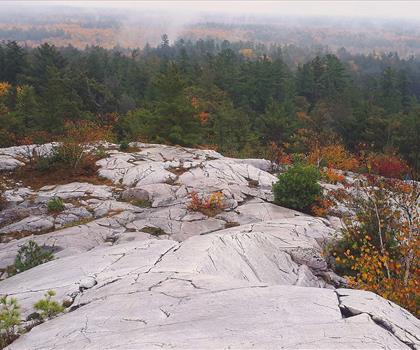
The Crack Killarney
Northeastern Ontario
Halfway Lake Provincial Park
Northeastern Ontario
Lake Temagami
Northeastern Ontario
Hiking near Barrie
146 trails to explore ~461 km away
We work hard to provide the most up-to-date and error-free data possible. If something seems incorrect, let us know! Your contribution helps the whole community.
Hikers' opinions
Be the first to review!
No hiker has shared their experience yet. Share your impressions and help other hikers!