
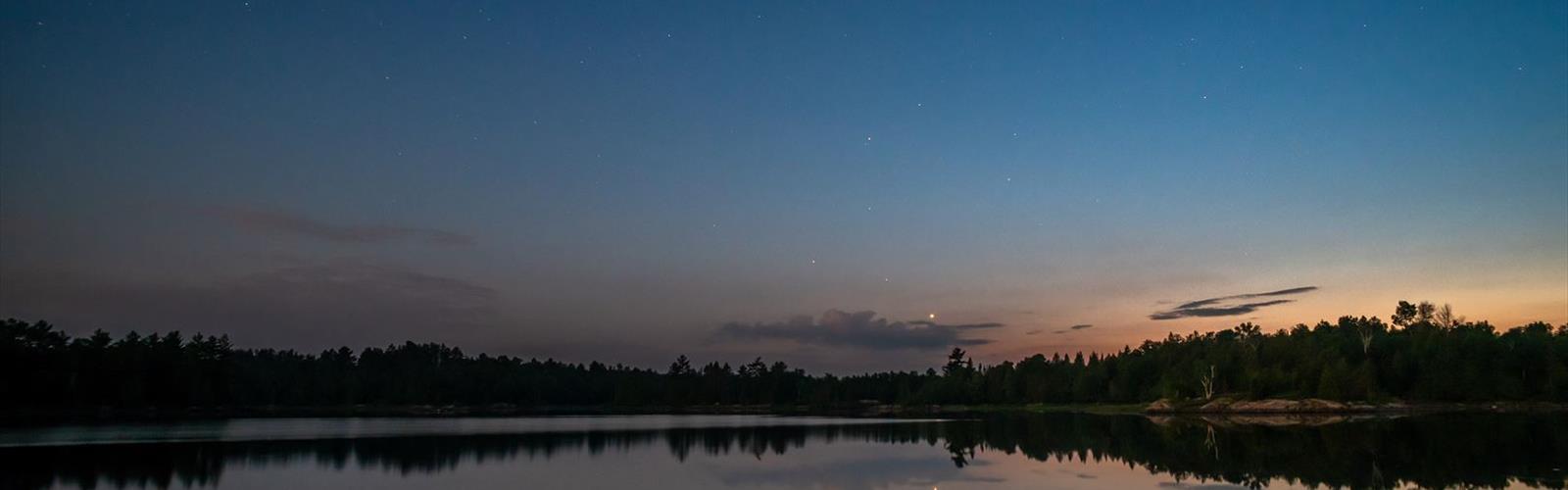

Ready to explore Lake Temagami? Here's everything you need to know before you go!
Discover the trail
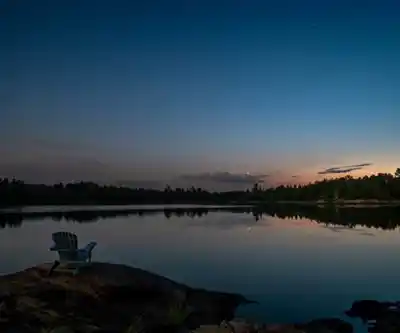
Trail description
Lake Temagami sprawls across northeastern Ontario's wilderness, creating one of the province's most distinctive hiking destinations. This massive lake system sits in the transition zone between the Canadian Shield's rugged terrain and the boreal forest, offering hikers a landscape that feels both ancient and untamed. With over 1,200 islands scattered across its waters, the lake creates a complex shoreline of bays, channels, and peninsulas that provide endless opportunities for exploration on foot.
The hiking experience here differs significantly from typical trail destinations. Rather than following a single marked route, you'll navigate an extensive network of interconnected trails that wind through old-growth forests, climb rocky outcrops, and trace the lake's irregular shoreline. The terrain varies dramatically — from gentle lakeside paths where you can hear waves lapping against granite shores to steep climbs up ancient rock formations that reward you with sweeping views across the island-dotted waters.
Trail Network and Terrain
The White Bear Forest Trails represent the crown jewel of the area's hiking opportunities. These paths lead through one of Ontario's largest remaining old-growth forests, where massive white and red pines tower overhead, some having stood for centuries. The forest floor feels cathedral-like, with filtered sunlight creating shifting patterns on the moss-covered ground. These trails accommodate various skill levels, from easy interpretive walks that highlight the forest's ecology to more demanding routes that require scrambling over fallen logs and navigating around wetland areas.
The rocky ridges surrounding the lake offer some of the most challenging and rewarding hiking in the region. These granite formations, sculpted by glacial action thousands of years ago, provide natural viewpoints where you can survey the lake's vast expanse. The climbs involve moderate scrambling over exposed rock faces, requiring sure footing and basic route-finding skills. The elevation gain of approximately 300 meters on these ridge routes delivers panoramic vistas that showcase the lake's true scale and the endless forest stretching to the horizon.
Shoreline trails present a completely different experience. These routes follow the lake's edge — sometimes on sandy beaches, other times on smooth granite slabs that slope directly into the water. The walking is generally easy, but the terrain can be slippery when wet, and you'll need to navigate around beaver ponds and marshy areas where streams enter the lake. These trails offer the best opportunities for wildlife viewing and provide access to secluded bays that make ideal rest stops.
Wildlife and Natural Features
The diverse ecosystems around Lake Temagami support an impressive array of wildlife that hikers regularly encounter. Moose are commonly spotted, particularly in the early morning or late afternoon when they wade into shallow bays to feed on aquatic vegetation. The sight of these massive animals standing knee-deep in crystal-clear water, with a backdrop of forested islands, creates unforgettable moments for hikers willing to move quietly along the shoreline trails.
The lake's pristine waters host a healthy population of common loons, whose haunting calls echo across the water throughout the day and into the evening. Black bears inhabit the surrounding forests, though they typically avoid human contact — follow proper food storage practices, especially when camping. The old-growth forests shelter pileated woodpeckers, whose distinctive drumming resonates through the trees, while the lake's rocky shores provide nesting sites for various waterfowl.
The geological features themselves tell the story of this landscape's formation. The exposed granite displays clear evidence of glacial scoring, with long scratches and grooves carved into the rock surface. These formations create natural handholds and footholds for hikers tackling the ridge routes, while also forming the deep, clear pools and channels that make the lake's waters so remarkably transparent.
Camping and Extended Stays
Numerous campsites scattered throughout the area allow hikers to extend their exploration over multiple days. These sites range from developed campgrounds with basic facilities to remote backcountry locations accessible only by foot or canoe. Many of the most scenic camping spots sit on small islands or secluded peninsulas, where you can fall asleep to the gentle sound of waves against the shore and wake to mist rising off the water at dawn.
Combining hiking and camping here creates opportunities for experiencing the wilderness at different times of day. Early morning hikes often provide the best wildlife viewing, while evening walks along the shoreline offer spectacular sunset views across the water. The lack of light pollution in this remote area makes for exceptional stargazing from lakeside campsites.
Planning Your Visit
The trail network's complexity means hikers should come prepared with good maps and solid navigation skills. While the main routes are generally well-marked, the interconnected nature of the system can be confusing, especially where trails branch off toward different islands or bays. Sturdy hiking boots with good ankle support are essential on this terrain, and the potential for wet conditions makes waterproof gear a must.
The hiking season typically runs from late spring through fall, with each season offering distinct advantages. Spring brings wildflowers and migrating birds, summer provides the warmest weather for swimming and camping, and fall delivers spectacular foliage colors that reflect brilliantly in the lake's still waters. Winter hiking is possible but requires specialized equipment and solid experience with cold-weather conditions.
Lake Temagami's remote location means hikers should be fully self-sufficient and prepared for changing weather. The combination of open water, dense forest, and exposed rock creates microclimates that can shift significantly within short distances, making layered clothing and rain protection essential for a comfortable day on the trails.
The Essential Hiking Checklist
Everything you need for your next hike. Bilingual, printable, 1 page.
Get your free hiking checklistRecommended gear for this trail
As an Amazon Associate I earn from qualifying purchases.


Ready to go?
Everything you need to know before you goStarting Point
The start of the trails at the lake temagami in Ontario can be accessed by car. There is a parking lot located near the entrance of the trails.
When?
How much?
As an Amazon Associate I earn from qualifying purchases.
Affiliate links — LGPO may earn a commission at no extra cost to you.
- Hiking shoes Essential
- → Salomon Elixir Tour Mid WP · 203.38 $
- Layered clothing Essential
- Rain jacket Essential
- Trekking poles
- → Black Diamond Trail Ergo Cork · 69.99 $
- Headlamp
- → Petzl Actik Core 625 · 103.95 $
FAQ - Frequently asked questions
Everything you need to knowSimilar hikes nearby
Discover other trails you might enjoy

Wolf Lake Mountain, Ontario
Northeastern Ontario
Daisy Lake
Northeastern Ontario
Mount Ararat
Northeastern Ontario
Ghost Range
Northeastern Ontario
The Crack Killarney
Northeastern Ontario
Halfway Lake Provincial Park
Northeastern Ontario
Hiking near Barrie
146 trails to explore ~292 km away
We work hard to provide the most up-to-date and error-free data possible. If something seems incorrect, let us know! Your contribution helps the whole community.
Hikers' opinions
Be the first to review!
No hiker has shared their experience yet. Share your impressions and help other hikers!