

Ready to explore Halfway Lake Provincial Park? Here's everything you need to know before you go!
Discover the trail
Oh no! We don't have any photos 😢
This trail hasn't been captured yet. Be the first to share your adventure!Trail description
Halfway Lake Provincial Park sits about 60 kilometers north of Sudbury in Northeastern Ontario, offering 4,500 hectares of pristine wilderness that feels genuinely remote without being difficult to reach. This park delivers the kind of backcountry experience that's becoming harder to find in Southern Ontario—crystal-clear lakes surrounded by dense boreal forest, wildlife encounters that feel authentic rather than staged, and trails that range from gentle family walks to serious day hikes.
The park's landscape reflects the rugged character of the Canadian Shield, with rocky outcrops, mixed forests of pine, spruce, and birch, and interconnected waterways that have drawn outdoor enthusiasts for decades. What sets Halfway Lake apart from busier provincial parks is its sense of solitude—you can spend hours on the trails without encountering crowds, making it ideal for those seeking a genuine wilderness experience.
Trail System and Hiking Experience
The park's trail network caters to different hiking preferences and abilities, with two main options that showcase distinct aspects of the landscape. Each trail offers its own character and rewards, from peaceful forest walks to challenging backcountry adventures.
The Echo Pond Trail provides an accessible introduction to the park's natural beauty. This well-maintained loop winds through mature woodlands where towering pines and spruces create a cathedral-like canopy overhead. The forest floor here tells the story of the Canadian Shield ecosystem—thick carpets of moss, fallen logs slowly returning to the earth, and the occasional granite outcrop breaking through the soil. The trail's gentle terrain makes it perfect for families with children or anyone wanting to experience the park's wilderness character without committing to a strenuous hike.
The highlight of this shorter route comes at the scenic viewpoint overlooking Echo Pond. This peaceful spot offers the kind of mirror-like water reflections that define Northern Ontario's lake country. Early morning hikers often spot waterfowl gliding across the surface, while the surrounding forest provides habitat for various songbirds. The viewpoint makes an ideal rest stop where you can appreciate the park's pristine water quality and undisturbed shoreline.
For hikers seeking a more demanding adventure, the Hawk Ridge Trail delivers a completely different experience. This longer route takes you deep into the park's backcountry, following terrain that demands attention and rewards effort with spectacular payoffs. The trail climbs steadily through varied forest types, transitioning from dense mixed woods to more open areas where the underlying granite becomes increasingly prominent.
The Hawk Ridge Trail's character changes as you progress deeper into the wilderness. Rocky sections require careful footing and occasional scrambling over Canadian Shield granite, giving you an intimate connection with the ancient geological foundation that shapes this entire region. The trail's remote sections offer your best chances for wildlife encounters—moose frequent these areas, particularly during early morning and evening hours, while black bears are present throughout the park.
The trail's namesake destination, Hawk Ridge itself, provides expansive vistas across the surrounding wilderness that put the park's scale and remoteness into perspective. From this elevated viewpoint, you can see how the boreal forest stretches endlessly in all directions, broken only by the gleaming surfaces of hidden lakes and wetlands. Various raptor species make their home in this area, from red-tailed hawks to the occasional bald eagle, giving the ridge its evocative name.
Water Activities and Lake Access
Halfway Lake serves as the park's stunning centerpiece, offering excellent opportunities for paddlers of all skill levels. The lake's clear waters and protected bays create ideal conditions for both canoeing and kayaking, whether you're planning a peaceful morning paddle or want to explore the intricate shoreline with its hidden coves and quiet inlets.
The surrounding forest provides natural windbreaks that keep the water relatively calm throughout most of the day, making it particularly welcoming for beginners or families with children. More experienced paddlers will appreciate the lake's size and variety—you can spend hours exploring different sections, each offering its own character and wildlife viewing opportunities.
Fishing enthusiasts will find Halfway Lake well-stocked with walleye and northern pike. The walleye fishing can be particularly productive in the lake's deeper sections, especially during the cooler parts of the day when these fish move into shallower feeding areas. Northern pike tend to lurk around the weed beds and structural features near shore, providing exciting action for anglers who enjoy the challenge of landing these aggressive predators. The lake's relatively undisturbed nature means fish populations remain healthy and self-sustaining.
Camping and Overnight Experience
The park's camping facilities strike an excellent balance between essential amenities and genuine wilderness immersion. The campsites are thoughtfully designed and well-maintained, but the setting feels authentically remote rather than developed. Sites are strategically spaced to provide privacy, and many offer either direct lake access or forest views that keep you connected to the surrounding wilderness throughout your stay.
Nights at Halfway Lake deliver the kind of experience that creates lasting memories and draws visitors back year after year. With minimal light pollution from nearby communities, the night sky reveals spectacular star displays on clear evenings. The natural soundtrack—loon calls echoing across the water, wind rustling through pine boughs, the occasional splash of a beaver or otter—creates an atmosphere that truly disconnects you from urban life.
Seasonal Considerations and Planning
Each season at Halfway Lake offers distinct advantages and experiences. Spring brings wildflowers to the forest floor and migrating birds to the lake, while summer provides the warmest weather for swimming and the longest days for extended hiking adventures. Fall transforms the mixed deciduous trees into a spectacular display of color, making it perhaps the most photogenic season for visitors.
The park's wilderness character means proper preparation significantly enhances your experience. Sturdy hiking boots prove essential on the rocky sections of Hawk Ridge Trail, while effective bug protection becomes crucial during summer months when blackflies and mosquitoes are most active. The remote location also means cell phone service can be unreliable, so plan accordingly and always let others know your detailed itinerary, especially when tackling the longer trail options.
The Essential Hiking Checklist
Everything you need for your next hike. Bilingual, printable, 1 page.
Get your free hiking checklistRecommended gear for this trail
As an Amazon Associate I earn from qualifying purchases.


Ready to go?
Everything you need to know before you goStarting Point
The halfway lake provincial park is located in Ontario. To get to the start of the trails, take Highway 11 north from Huntsville to Highway 60. Turn left onto Highway 60 and drive for about 9 km until you reach the park entrance on the right.
When?
How much?
As an Amazon Associate I earn from qualifying purchases.
Affiliate links — LGPO may earn a commission at no extra cost to you.
- Hiking shoes Essential
- → Salomon Elixir Tour Mid WP · 203.38 $
- Layered clothing Essential
- Rain jacket Essential
- Trekking poles
- → Black Diamond Trail Ergo Cork · 69.99 $
- Headlamp
- → Petzl Actik Core 625 · 103.95 $
FAQ - Frequently asked questions
Everything you need to knowSimilar hikes nearby
Discover other trails you might enjoy

Wolf Lake Mountain, Ontario
Northeastern Ontario
Daisy Lake
Northeastern Ontario
Mount Ararat
Northeastern Ontario
Ghost Range
Northeastern Ontario
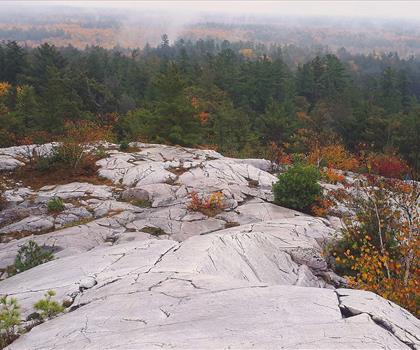
The Crack Killarney
Northeastern Ontario
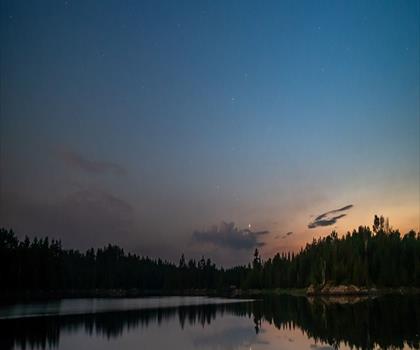
Lake Temagami
Northeastern Ontario
Hiking near Barrie
146 trails to explore ~318 km away
We work hard to provide the most up-to-date and error-free data possible. If something seems incorrect, let us know! Your contribution helps the whole community.
Hikers' opinions
Be the first to review!
No hiker has shared their experience yet. Share your impressions and help other hikers!