
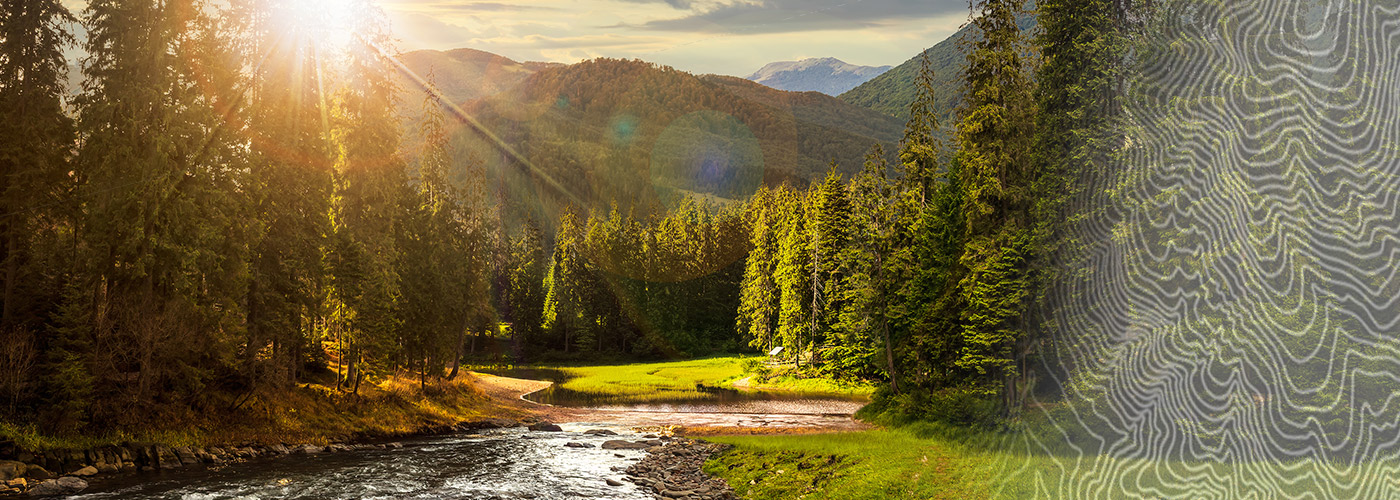

Ready to explore Wolf Lake Mountain, Ontario? Here's everything you need to know before you go!
Discover the trail
Oh no! We don't have any photos 😢
This trail hasn't been captured yet. Be the first to share your adventure!Trail description
Wolf Lake Mountain in Northeastern Ontario is one of those destinations that rewards hikers who are willing to venture a little off the beaten path. Tucked into the rugged landscape of Northeastern Ontario, this trail offers a genuine wilderness experience — the kind where you're more likely to hear loons than other hikers. Whether you're a local looking for a new challenge or a visitor exploring what this part of Ontario has to offer, Wolf Lake Mountain delivers a memorable outing in a setting that feels genuinely remote.
The Terrain and Trail Character
The trail at Wolf Lake Mountain takes you through the classic Canadian Shield landscape that defines so much of Northeastern Ontario. Expect exposed bedrock underfoot, mixed boreal forest overhead, and the kind of rugged, uneven terrain that keeps you paying attention to every step. The Canadian Shield geology here means you'll encounter granite outcroppings, moss-covered rocks, and the occasional scramble that adds a bit of adventure to the hike.
The forest itself is a mix of jack pine, black spruce, and birch — species well-adapted to the thin soils and rocky conditions of the Shield. In the lower sections near the lake, the vegetation shifts and you'll find more moisture-loving plants along the shoreline. This variety in habitat makes the trail interesting from start to finish, not just at the summit.
Wolf Lake
The lake is a central feature of this experience. Wolf Lake sits in a setting typical of the boreal north — dark, clear water surrounded by forest and rock. If you time your hike right, the reflections on the lake can be stunning, particularly in the early morning or late afternoon when the light hits at a low angle. The lake also adds a practical element to the outing: it's a natural landmark that helps orient you as you move through the trail system.
Wildlife activity around the lake is part of what makes this area special. The boreal forest and lake ecosystem of Northeastern Ontario supports a wide range of species, and Wolf Lake is no exception. Keep your eyes and ears open — this is the kind of place where a patient hiker gets rewarded.
The Summit Experience
The "mountain" designation in Northeastern Ontario doesn't mean alpine conditions, but it does mean elevation gain and, more importantly, views. The high point of the Wolf Lake Mountain trail offers a perspective over the surrounding boreal landscape that's hard to find elsewhere in the region. From the top, you get a sense of just how vast and undeveloped this part of Ontario really is — a patchwork of lakes, forest, and rock stretching out in every direction.
The summit area tends to be open and rocky, which means good sightlines and a natural spot to take a break. On a clear day, the views are expansive. This is the kind of payoff that makes the effort worthwhile, and it's a good reminder of why people make the trip out to Northeastern Ontario in the first place.
What to Expect on the Trail
The trail at Wolf Lake Mountain is best suited to hikers who are comfortable with uneven, rocky terrain and don't need a perfectly groomed path underfoot. The Canadian Shield environment means the footing can be challenging — wet rock in particular can be slippery, so appropriate footwear is important. Sturdy hiking boots with good ankle support and grip are strongly recommended.
Navigation requires some attention. This is not an urban trail with signage at every junction. Come prepared with a map, and take the time to orient yourself before you head out. A GPS device or a downloaded offline map on your phone is a smart backup in this kind of remote setting.
- Footwear: Sturdy hiking boots with good grip — the Shield rock can be slippery when wet.
- Navigation: Bring a map and a backup GPS or offline map app. Signage may be limited.
- Water: Carry enough for your full outing. Treat any water sourced from the lake or streams.
- Wildlife awareness: You're in boreal Ontario — bear awareness and basic backcountry habits apply.
- Weather: Northeastern Ontario weather can shift quickly. Layer up and bring rain gear regardless of the forecast.
Getting There
Wolf Lake Mountain is located in Northeastern Ontario, a region where distances between communities are real and services can be limited. Plan your drive accordingly — fill up on gas, pick up any supplies you need, and give yourself enough time to reach the trailhead without rushing. Road conditions in this part of Ontario can vary, and some access roads may require a vehicle with reasonable clearance depending on the season and recent weather.
Arriving early is always a good idea in this type of setting. It gives you the best chance of having the trail to yourself, the best light for photography, and a comfortable buffer of time before the afternoon weather rolls in.
Who This Trail Is For
Wolf Lake Mountain is a solid choice for hikers who want a genuine boreal wilderness experience without committing to a multi-day backcountry trip. It's the kind of trail that appeals to people who appreciate raw, natural landscapes over polished infrastructure. If you're comfortable on rocky terrain, self-sufficient in terms of navigation and gear, and looking for something that feels a little more adventurous than a groomed park trail, this is worth the drive.
Families with older children who are experienced hikers may find this trail manageable, but it's not ideal for young kids or anyone who needs a smooth, easy path. The terrain demands attention and a reasonable baseline of fitness and trail experience.
Leave No Trace
The remote character of Wolf Lake Mountain is exactly what makes it worth protecting. Pack out everything you bring in, stay on the trail to avoid damaging the fragile Shield vegetation, and respect the wildlife that calls this area home. The boreal forest ecosystem is resilient in some ways and surprisingly sensitive in others — how visitors treat it today determines what future hikers will find when they make the same trip.
Wolf Lake Mountain is the kind of place that reminds you why Northeastern Ontario deserves more attention from hikers — raw, quiet, and genuinely wild in a way that's becoming harder to find.
The Essential Hiking Checklist
Everything you need for your next hike. Bilingual, printable, 1 page.
Get your free hiking checklistRecommended gear for this trail
As an Amazon Associate I earn from qualifying purchases.


Ready to go?
Everything you need to know before you goStarting Point
To access the hiking trails, you can start at the main trailhead located at the end of Matagamasi Lake Road. From Sudbury, take Highway 17 East and then turn onto Highway 69 North. Follow this until you reach Kukagami Lake Road, and continue on this road until you reach Matagamasi Lake Road. The parking area is at the end of this road. There are no alternative trailheads for this location.
When?
How much?
As an Amazon Associate I earn from qualifying purchases.
Affiliate links — LGPO may earn a commission at no extra cost to you.
- Hiking shoes Essential
- → Salomon Elixir Tour Mid WP · 203.38 $
- Layered clothing Essential
- Rain jacket Essential
- Trekking poles
- → Black Diamond Trail Ergo Cork · 69.99 $
- Headlamp
- → Petzl Actik Core 625 · 103.95 $
FAQ - Frequently asked questions
Everything you need to knowSimilar hikes nearby
Discover other trails you might enjoy
Daisy Lake
Northeastern Ontario
Mount Ararat
Northeastern Ontario
Ghost Range
Northeastern Ontario
The Crack Killarney
Northeastern Ontario

Halfway Lake Provincial Park
Northeastern Ontario
Lake Temagami
Northeastern Ontario
Hiking near Barrie
146 trails to explore ~283 km away
We work hard to provide the most up-to-date and error-free data possible. If something seems incorrect, let us know! Your contribution helps the whole community.
Hikers' opinions
Be the first to review!
No hiker has shared their experience yet. Share your impressions and help other hikers!