

Ready to explore Parc National Des Îles-de-boucherville? Here's everything you need to know before you go!
Discover the trail
Trail description
Parc national des Îles-de-Boucherville is one of those rare places where you can genuinely feel like you've left the city behind — even though you're just minutes from Montreal. Managed by Sépaq, this national park sits in the middle of the St. Lawrence River, made up of a cluster of islands that have been shaped by centuries of river life, flooding cycles, and natural succession. It's a surprisingly wild and peaceful destination that draws hikers, cyclists, kayakers, and nature lovers from across the greater Montreal area and beyond.
A Park Built Around the River
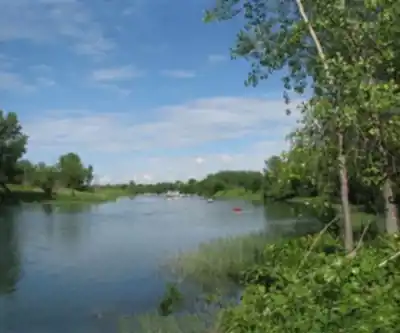
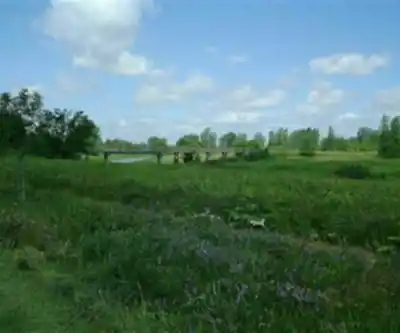
What makes Parc national des Îles-de-Boucherville stand out is its setting. You're not hiking through mountains or dense boreal forest — you're exploring a floodplain archipelago in the heart of the St. Lawrence. The landscape is shaped entirely by water: seasonal flooding, oxbow ponds, marshy channels, and the constant presence of the river on all sides. That relationship with water defines everything here, from the vegetation to the wildlife to the way the trails feel underfoot.
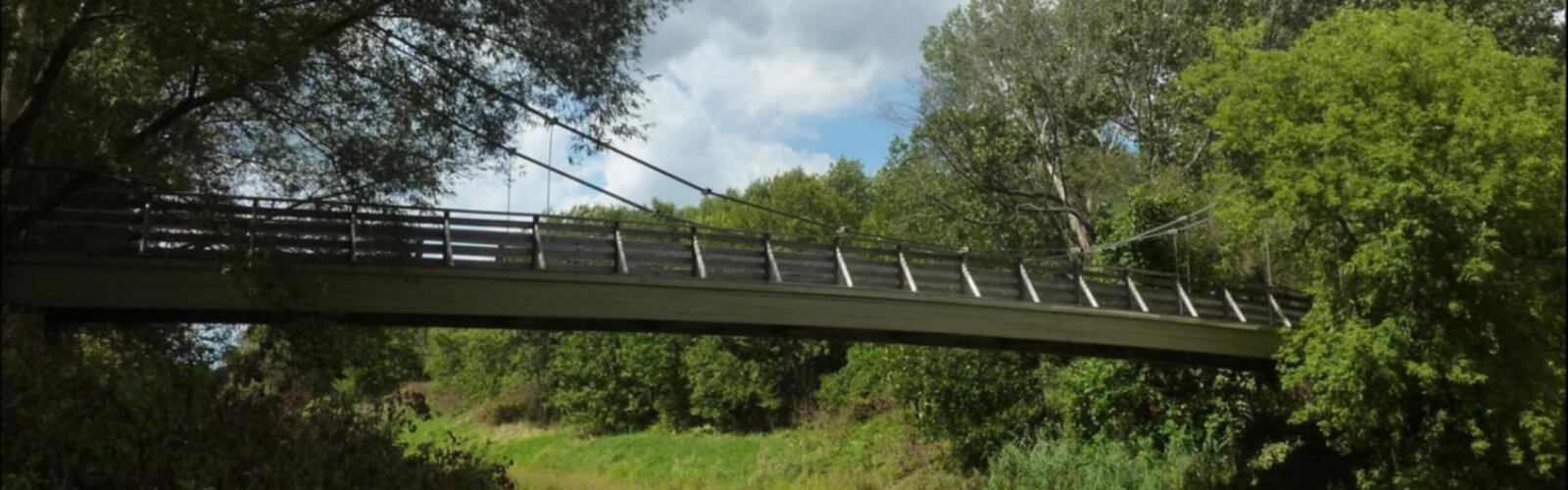
The islands are connected by bridges and causeways, making it easy to move between them on foot or by bike. The terrain is mostly flat, which makes this park genuinely accessible to a wide range of visitors — families with young kids, older hikers, or anyone looking for a relaxed outing in a natural setting without a serious physical challenge.
Trails and Getting Around
The trail network winds through a variety of environments across the islands. You'll pass through floodplain forests dominated by silver maple, cottonwood, and ash — tree species that have adapted to the annual spring floods that temporarily submerge parts of the park. In drier areas, the forest opens up and the understory becomes richer and more varied.
Many of the paths run alongside channels and ponds, giving you frequent views of the water and the wildlife that depends on it. Some sections follow the outer edges of the islands, where you get open views of the St. Lawrence and, on clear days, the Montreal skyline in the distance. It's a striking contrast — urban skyline on one side, herons and turtles on the other.
The trails are well-maintained and clearly marked. Whether you're doing a short loop or combining multiple sections for a longer outing, the signage makes navigation straightforward. The park also has a network of multi-use paths shared with cyclists, so keep that in mind when planning a hiking-only route.
Wildlife and Natural Environment
Birdwatching is one of the main draws here. The park sits along a major migratory corridor, and the mix of wetlands, open water, and forest creates excellent habitat for a wide variety of species. Great blue herons are a common sight, along with various duck species, kingfishers, and warblers during migration season. If you move quietly along the water's edge, you're likely to spot wildlife that you'd never see in a typical urban park.
The wetlands also support healthy populations of painted turtles and snapping turtles, which are often visible basking on logs or swimming in the shallower channels. White-tailed deer move through the islands as well, and muskrats are frequently spotted along the banks.
The floodplain ecosystem itself is worth paying attention to. The silver maple forest that covers much of the islands is a relatively rare habitat type in Quebec, and the park protects a significant example of it. In spring, when the floods recede, the forest floor comes alive quickly — wildflowers, ferns, and new growth taking advantage of the nutrient-rich sediment left behind by the river.
Practical Information
Access to the park is via the Île Sainte-Marguerite entrance, located in Boucherville on the South Shore of Montreal. There is a parking area at the entrance, and the park is also accessible by bike from the surrounding area via the regional cycling network.
As a Sépaq national park, there is an entrance fee to access the park. Sépaq annual passes are accepted here, which makes it a good value if you visit multiple provincial parks throughout the year. It's worth checking the Sépaq website for current rates and any seasonal programming before your visit.
Dogs are permitted in the park but must be kept on a leash at all times. This is standard across Sépaq parks and helps protect the wildlife, particularly ground-nesting birds during the spring and early summer.
The park offers more than just hiking — canoe and kayak rentals are available on-site, and paddling the channels between the islands is an excellent way to experience the park from a completely different angle. Some visitors combine a morning hike with an afternoon paddle, which gives you a well-rounded sense of what the islands have to offer.
When to Visit
The park is open year-round, though the experience changes significantly with the seasons. Spring brings dramatic flooding and an explosion of bird activity during migration. Summer is the busiest season, with full services and rentals available. Fall is particularly beautiful as the floodplain forest turns — silver maple and cottonwood put on a solid colour show. Winter offers a quieter experience, with snowshoe trails and a chance to see the frozen channels and winter wildlife.
One thing to be aware of: during peak spring flooding, some trails may be temporarily closed or inaccessible. It's always a good idea to check the Sépaq website or call ahead if you're visiting in April or early May.
Who This Park Is For
- Families with kids — flat terrain, accessible trails, and lots of wildlife to spot make this an easy win for a family day out.
- Birdwatchers — the wetland and migratory corridor setting makes this one of the better birding spots in the greater Montreal region.
- Casual hikers — if you want a peaceful walk in a natural setting without a demanding elevation gain, this delivers.
- Paddlers — the channel network is ideal for canoe and kayak exploration, especially for beginners or those with kids.
- Nature photographers — the combination of water, wildlife, and the Montreal skyline backdrop creates some genuinely interesting compositional opportunities.
Parc national des Îles-de-Boucherville is a reminder that you don't need to drive hours from the city to find a real natural experience — sometimes the river right next door has been holding something remarkable all along.
The Essential Hiking Checklist
Everything you need for your next hike. Bilingual, printable, 1 page.
Get your free hiking checklistRecommended gear for this trail
As an Amazon Associate I earn from qualifying purchases.


Ready to go?
Everything you need to know before you goStarting Point
To access the hiking trails, head to the main entrance of the park. The primary parking lot is located at 55 Île Sainte-Marguerite, Boucherville, QC J4B 5J6. From there, you can find trailheads leading into various parts of the park. If you're using public transportation, consider taking a bus or taxi from nearby Boucherville to reach the entrance.
When?
Tuesday: 8:00 AM – 7:00 PM
Wednesday: 8:00 AM – 7:00 PM
Thursday: 8:00 AM – 7:00 PM
Friday: 8:00 AM – 7:00 PM
Saturday: 8:00 AM – 7:00 PM
Sunday: 8:00 AM – 7:00 PM
How much?
As an Amazon Associate I earn from qualifying purchases.
Affiliate links — LGPO may earn a commission at no extra cost to you.
- Hiking shoes Essential
- → Salomon Elixir Tour Mid WP · 203.38 $
- Layered clothing Essential
- Rain jacket Essential
- Trekking poles
- → Black Diamond Trail Ergo Cork · 69.99 $
- Headlamp
- → Petzl Actik Core 625 · 103.95 $
FAQ - Frequently asked questions
Everything you need to knowSimilar hikes nearby
Discover other trails you might enjoy

Parc Michel Chartrand
Montérégie
Parc De La Cité
Montérégie
Mont Saint Bruno National Park
Montérégie
Mont St Hilaire
Montérégie
Rougemont Mount
Montérégie

Parc Régional De Beauharnois - Salaberry
Montérégie
Hiking near Montreal
92 trails to explore ~13 km away
We work hard to provide the most up-to-date and error-free data possible. If something seems incorrect, let us know! Your contribution helps the whole community.
Hikers' opinions
Be the first to review!
No hiker has shared their experience yet. Share your impressions and help other hikers!