

Ready to explore Réserve Nationale De Faune Du Cap Tourmente? Here's everything you need to know before you go!
Discover the trail
Trail description
The Cap Tourmente National Wildlife Area is one of the most remarkable natural sites in the Capitale-Nationale region of Quebec. Managed by Environment and Climate Change Canada, this federally protected area sits along the St. Lawrence River and has earned an international reputation — particularly among birders — for the sheer scale of wildlife activity that unfolds here each spring and fall. But even if you're not a dedicated birder, this place delivers a genuinely memorable outdoor experience.
What Makes This Place Stand Out
Cap Tourmente is best known as a critical stopover for Greater Snow Geese during their migrations. Tens of thousands of these birds gather on the tidal marshes along the St. Lawrence, creating one of the most spectacular wildlife spectacles in eastern Canada. The sight and sound of massive flocks lifting off the mudflats at dawn is the kind of thing that sticks with you. Outside of migration season, the area remains rich with birdlife and wildlife year-round.
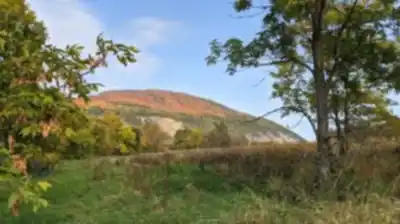
Beyond the birds, the landscape itself is striking. The site sits at the base of a dramatic escarpment where the Laurentian highlands meet the St. Lawrence lowlands. You get tidal marshes, hardwood and mixed forests, open meadows, and rocky slopes — all within a relatively compact area. That diversity of ecosystems packed into one location is genuinely unusual and makes every visit feel different depending on where you wander and what time of year you show up.
The Trail Network
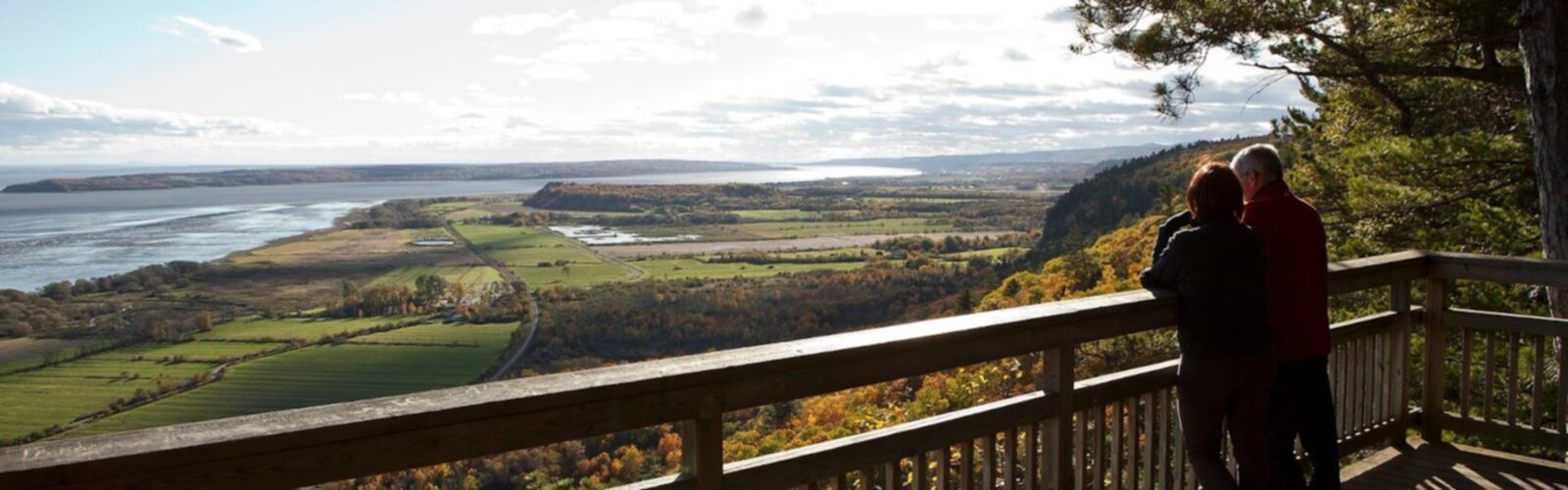
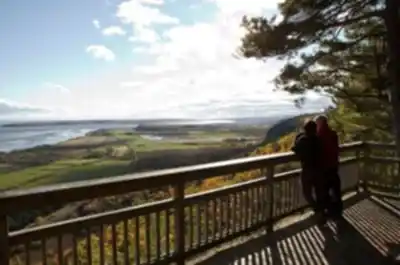
The trail network at Cap Tourmente covers a range of terrain and difficulty levels, making it accessible to casual walkers as well as hikers looking for something with more elevation. Trails wind through the marshes along the river's edge, through mature forest on the slopes, and up toward viewpoints on the cap itself where you get sweeping views over the St. Lawrence and the surrounding landscape.
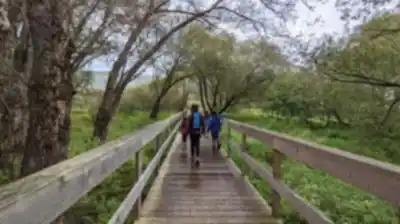
The lower trails near the marsh are flat and easy to walk, well-suited for families or anyone who wants to focus on wildlife watching without a lot of physical effort. As you move up the escarpment, the terrain gets steeper and more demanding. The upper sections reward the effort with panoramic views that put the whole site in perspective — you can see how the river, the marsh, the farmland, and the forested slopes all connect.
Trails are generally well-marked and maintained. Interpretive panels are placed throughout the network, providing context about the ecosystems, the migratory birds, and the history of the area. This is a site where slowing down and reading the signs actually adds to the experience rather than feeling like homework.
Wildlife and Natural Environment
The tidal marshes at Cap Tourmente are dominated by common bulrush, which is the primary food source for the Snow Geese that stop here. The marsh ecosystem supports a wide variety of waterfowl, shorebirds, and wading birds throughout the year. The forested slopes host a different community of species — woodland birds, white-tailed deer, and a range of small mammals are regularly spotted.
The site has been recognized under several international conservation designations, reflecting its ecological importance. It sits within the St. Lawrence migratory bird flyway, which makes it a genuinely significant piece of continental wildlife infrastructure, not just a local park.
Practical Information
Cap Tourmente National Wildlife Area charges an entry fee for visitors. The fee structure varies by age and season, so it's worth checking the official Environment and Climate Change Canada website before you go to confirm current rates. The site is staffed and managed, with a welcome centre near the main entrance where you can pick up maps, get trail information, and learn about current wildlife activity.
- Dogs: Dogs are not permitted in the national wildlife area. This is a firm rule tied to the protection of nesting and migratory birds, so plan accordingly.
- Parking: There is a parking area at the main entrance. During peak migration periods — particularly in October — the site gets very busy and parking can fill up early in the morning. Arriving early is strongly recommended during those periods.
- Facilities: Washrooms and a welcome centre are available on site. The infrastructure is well-maintained and appropriate for a full day visit.
- Accessibility: Some of the lower trails near the marsh are accessible to visitors with limited mobility. The steeper sections of the trail network are not.
Best Times to Visit
The two migration periods — mid-March to late April for the spring migration, and late September through October for the fall — are when Cap Tourmente is at its most dramatic. Snow Goose numbers during these windows can reach into the hundreds of thousands, and the energy of the site during peak days is unlike anything else in the region.
Outside of migration, the site is quieter but still worth visiting. Summer brings nesting birds and lush vegetation in the marsh. Fall colour in the hardwood forest on the slopes is excellent. Winter access is more limited, but the site does offer some programming and access during the colder months — again, checking ahead with the managing authority is the best approach.
Getting There
Cap Tourmente National Wildlife Area is located east of Quebec City along the north shore of the St. Lawrence River, in the municipality of Saint-Joachim. It is accessible by car via Route 138. The drive from Quebec City takes roughly 45 minutes depending on traffic and your starting point. There is no regular public transit service to the site, so a vehicle is essentially required unless you arrange a group shuttle or tour.
The entrance is clearly signed from the main road, and the access road leads directly to the parking area and welcome centre. First-time visitors should plan to stop at the welcome centre before heading out on the trails — the staff there are knowledgeable and can point you toward the best spots based on what's currently active on the site.
Services and amenities
This information may vary by season.
The Essential Hiking Checklist
Everything you need for your next hike. Bilingual, printable, 1 page.
Get your free hiking checklistRecommended gear for this trail
As an Amazon Associate I earn from qualifying purchases.


Ready to go?
Everything you need to know before you goStarting Point
To access the hiking trails, head to the main entrance parking lot located at 570 chemin du Cap-Tourmente, Saint-Joachim, Quebec. This is the primary starting point for exploring the trails in the area.
When?
Tuesday: 8:30 AM – 4:00 PM
Wednesday: 8:30 AM – 4:00 PM
Thursday: 8:30 AM – 4:00 PM
Friday: 8:30 AM – 4:00 PM
Saturday: 8:30 AM – 4:00 PM
Sunday: 8:30 AM – 4:00 PM
How much?
As an Amazon Associate I earn from qualifying purchases.
Affiliate links — LGPO may earn a commission at no extra cost to you.
- Hiking shoes Essential
- → Salomon Elixir Tour Mid WP · 203.38 $
- Layered clothing Essential
- Rain jacket Essential
- Trekking poles
- → Black Diamond Trail Ergo Cork · 69.99 $
- Headlamp
- → Petzl Actik Core 625 · 103.95 $
FAQ - Frequently asked questions
Everything you need to knowSimilar hikes nearby
Discover other trails you might enjoy
Parc National De La Jacques Cartier
Québec City Region
Camp Mercier
Québec City Region
Parc Chauveau
Québec City Region

Mont Sainte-Anne
Québec City Region

Les Marais Du Nord
Québec City Region

Parc De La Forêt Ancienne Du Mont Wright
Québec City Region
Hiking near Quebec City
40 trails to explore ~42 km away
We work hard to provide the most up-to-date and error-free data possible. If something seems incorrect, let us know! Your contribution helps the whole community.
Hikers' opinions
Be the first to review!
No hiker has shared their experience yet. Share your impressions and help other hikers!