


Ready to explore Lac des Neuf Couleurs? Here's everything you need to know before you go!
Discover the trail
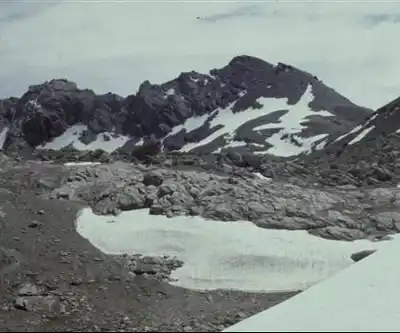
Trail description
Lac des Neuf Couleurs is one of those alpine destinations that earns its reputation the hard way — you work for every bit of it. With 850 meters of elevation gain spread over 12 kilometers and an estimated 5 hours 30 minutes round trip, this is a serious day hike in the Hautes-Alpes that rewards experienced hikers with scenery that genuinely lives up to the name. The lake's famous color shifts aren't marketing — they're a real phenomenon, and reaching the shoreline after a sustained climb makes the whole thing feel earned.
What the Trail Actually Looks Like
The hike starts in classic alpine valley terrain, moving through mixed stands of larch and pine. The lower sections are well-maintained and relatively comfortable underfoot — good dirt paths with a manageable grade. This is where you settle into your pace, because the trail doesn't let up much once you leave the tree line behind.
As you gain elevation, the forest thins and eventually gives way to open mountain terrain. The vegetation gets progressively sparser, and the views start opening up in earnest. The upper sections involve rockier ground with some loose scree, nothing technically demanding but enough to require attention and solid footwear. The ascent is steady and sustained rather than featuring any single brutal pitch — which sounds easier than it is. That kind of relentless climbing has a cumulative effect, and pacing yourself from the start matters more than most hikers expect.
The trail surface shifts noticeably between zones: soft dirt through the forested lower half, then increasingly rocky and exposed terrain as you push toward the lake. On clear days, route-finding is straightforward. In fog or low cloud, the upper sections can get disorienting quickly, so basic navigation skills and a map or GPS are worth having along.
The Lake and Its Colors
The name translates to "Lake of Nine Colors," and the water genuinely does shift through a remarkable range of hues depending on the time of day, the angle of the sun, and the weather. The color variations come from a combination of depth changes across the lake bed, mineral content in the water, and the way light reflects off the rocky bottom and surrounding peaks.
The most dramatic displays happen during the golden hours — early morning and late afternoon — when low-angled sunlight creates the sharpest contrasts. Deep sapphire blues appear in the deeper sections, emerald and turquoise tones emerge in the shallows, and hints of violet can show up where light skims across the surface at the right angle. It's the kind of thing that photographs well but looks even better in person, especially when you've got the place to yourself before the midday crowd arrives.
Autumn adds another layer to the experience. The changing larch needles and surrounding vegetation introduce warm golds and oranges into the landscape, creating a contrast with the lake's cooler tones that's worth the more unpredictable weather that comes with the season.
Flora and Wildlife Along the Route
The elevation range of this hike runs through distinct ecological zones, and that variety keeps the trail interesting beyond just the destination. The forested lower sections support typical alpine woodland species, while the higher terrain showcases the hardy, low-growing plants that manage to thrive in exposed mountain conditions. During summer, meadow sections along the route often produce strong wildflower displays.
Marmots are a reliable presence in the upper meadow areas — you'll usually hear their sharp whistling calls before you spot them. Chamois occasionally appear on the rocky slopes higher up, though they tend to keep their distance. Various alpine bird species move through different elevation bands along the trail, and early morning starts give you the best shot at wildlife sightings before foot traffic picks up.
Seasonal Window and Conditions
The trail is typically accessible from late June through early October, though that window shifts depending on how much snow fell the previous winter and what the spring melt looked like. Early season often means snow patches on the upper sections and muddy stretches from snowmelt lower down. Late season brings more variable weather and the possibility of early snowfall, which can change the difficulty level significantly.
Summer offers the most stable conditions and the clearest trail, but also the most company — particularly at the lake itself. Weather can shift fast at this elevation regardless of season, and the exposed upper sections of the trail offer little shelter from wind or sudden storms. Layered clothing is the right approach, and checking the forecast before you head out is worth the two minutes it takes.
What to Bring
A few practical points worth keeping in mind before you head out:
- Footwear: Sturdy hiking boots with good ankle support are the right call here. The rocky, uneven terrain in the upper sections makes trail runners a gamble.
- Water: The sustained elevation gain and potentially warm, exposed conditions in the open sections mean you'll go through more water than on a typical day hike. Natural water sources exist along parts of the route, but carrying enough for the full hike is the safer approach.
- Layers: Temperature drops noticeably as you gain altitude, and wind exposure on the upper trail can make it feel colder than the valley suggests. A wind layer and a mid-layer are worth the pack weight.
- Sun protection: The open terrain above tree line offers no shade. Sunscreen, sunglasses, and a hat matter more than they might seem at the trailhead.
- Navigation: The trail is well-traveled and easy to follow in good visibility. A map or downloaded GPS track becomes genuinely useful if clouds move in on the upper sections.
The trail sees moderate to heavy use during peak summer weeks, which helps with route-finding but means the lake can get busy around midday. An early start solves both problems — better light for the colors, fewer people at the shoreline, and more time to enjoy the place before heading back down.
Recommended gear for this trail


Ready to go?
Everything you need to know before you goWhen?
How much?
- Hiking shoes Essential
- → Salomon Elixir Tour Mid WP · 203.38 $
- Layered clothing Essential
- Rain jacket Essential
- Trekking poles
- → Black Diamond Trail Ergo Cork · 69.99 $
- Headlamp
- → Petzl Actik Core 625 · 103.95 $
FAQ - Frequently asked questions
Everything you need to know
25 hikes under 2 hours from Montreal
Distance, elevation, parking and season for each one. The ones we go back to ourselves.
Get the guideSimilar hikes nearby
Discover other trails you might enjoy

Gorges de la Méouge
Hautes-Alpes

Parc naturel régional du Queyras - GR58
Hautes-Alpes
Lac du Pontet
Hautes-Alpes
Lac de Pelleautier
Hautes-Alpes

Sentier Des Marmottes
Hautes-Alpes
Hiking near Sydney
22 trails to explore ~5097 km away
We work hard to provide the most up-to-date and error-free data possible. If something seems incorrect, let us know! Your contribution helps the whole community.
Hikers' opinions
Be the first to review!
No hiker has shared their experience yet. Share your impressions and help other hikers!