

Ready to explore Humboldt Bay? Here's everything you need to know before you go!
Discover the trail
Trail description
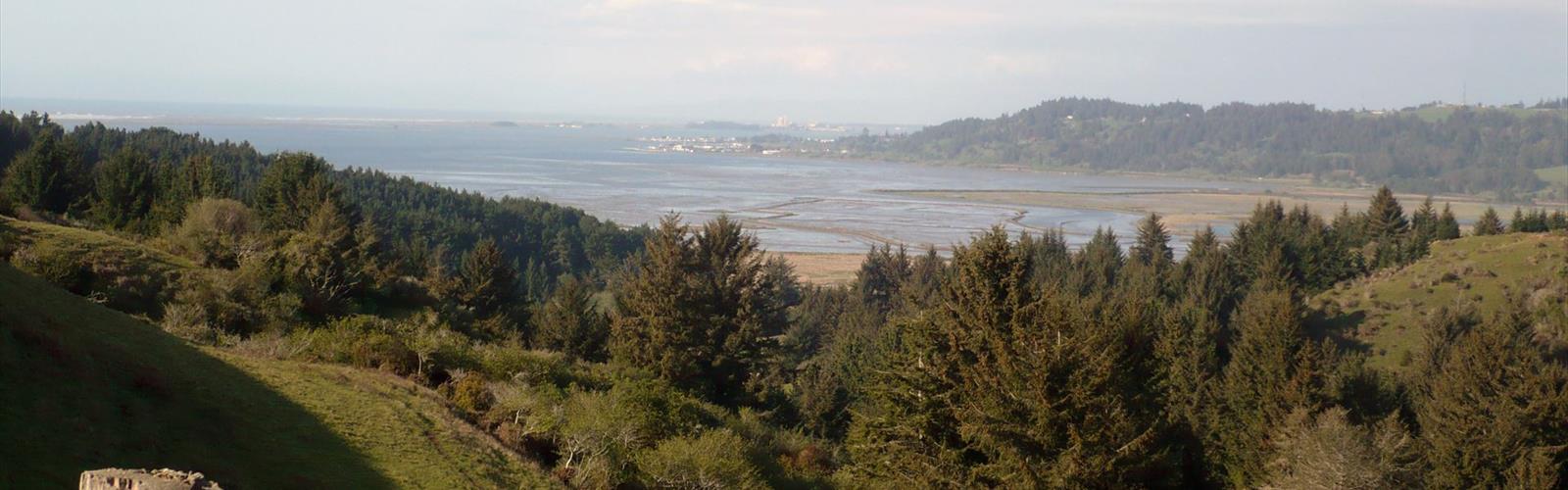
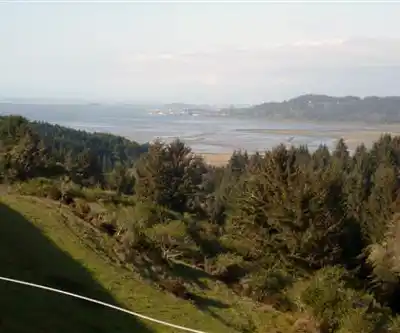
Humboldt Bay sits along the Northern California coast and offers one of the most rewarding waterfront experiences in the region. This isn't your typical mountain trail — it's a place where the land meets the water in a quiet, almost meditative way, and where the natural world feels genuinely close. Whether you're walking the shoreline, watching birds work the mudflats, or simply taking in the scale of the bay, this is a spot that earns its place on any outdoor itinerary in California's Gold Country corridor.
What Makes Humboldt Bay Stand Out
Humboldt Bay is one of the largest coastal bays in California, and that scale shapes everything about the experience here. The bay itself is a dynamic estuary — a mix of open water, tidal mudflats, salt marshes, and eelgrass beds that together create one of the most productive coastal ecosystems on the West Coast. It's the kind of place where the environment does the heavy lifting. You don't need dramatic elevation or a challenging climb to feel like you've had a real outdoor experience. The landscape delivers on its own terms.
The bay is flanked by a mix of natural areas and working waterfront, which gives it a grounded, real-world character. You're not in a bubble here — you're in a place that has ecological, cultural, and economic layers all stacked on top of each other. That complexity is part of what makes it interesting to explore.
Wildlife and Natural Environment
If you have any interest in birds, Humboldt Bay is a serious destination. The bay sits along the Pacific Flyway, the major migratory route that runs along the West Coast of North America, and it serves as a critical stopover for shorebirds and waterfowl moving between their breeding and wintering grounds. During migration seasons, the mudflats and shallows can hold enormous concentrations of birds — dunlins, dowitchers, sandpipers, and many others working the flats at low tide.
Year-round, the bay supports a strong resident bird community. Brown pelicans, great blue herons, egrets, and various species of ducks and grebes are regular sights. The eelgrass beds beneath the water's surface provide critical habitat for juvenile fish and invertebrates, which in turn support the birds and marine mammals that feed here. Harbor seals are known to use the bay, and the broader marine environment connects to the rich offshore waters of the Northern California coast.
The salt marshes along the bay's edges are worth paying attention to. These transitional zones between land and water are among the most ecologically productive habitats on the planet, and they're also among the most threatened. Seeing a healthy salt marsh in action — with pickleweed, cordgrass, and the birds and invertebrates that depend on them — is genuinely worth slowing down for.
The Terrain and What to Expect on the Ground
Exploring around Humboldt Bay is generally flat and accessible. The terrain along the bay's edges tends to be low-lying, with paths and trails that follow the shoreline or cut through marsh and wetland areas. This makes it a good option for people who want to be outside and engaged with a natural environment without taking on significant physical challenge. It's also a place where moving slowly pays off — the wildlife rewards patience more than pace.
Depending on where you access the bay, you may find yourself on maintained paths, levee tops, or more informal routes through natural areas. Tidal timing matters here. Low tide exposes the mudflats and brings out the most bird activity, while high tide pushes birds to the marsh edges and other roosting spots. Checking a tide chart before you go will meaningfully improve your visit.
Footwear worth thinking about: the areas near the water's edge and through marsh habitat can be soft and wet, especially after rain or at high tide. Waterproof boots or shoes you don't mind getting muddy are a practical choice.
Access and Practical Information
Humboldt Bay is located in Northern California and is accessible from the surrounding communities along the bay's shores. There are multiple points of access depending on which part of the bay you want to explore, including areas managed for public recreation and wildlife observation. The bay's geography means that different access points offer different experiences — some more oriented toward the open water, others focused on marsh and wetland habitat.
Because this is a coastal estuary environment, conditions can change with the weather and the tides. Fog is a regular feature of the Northern California coast, and it can roll in quickly. Layering up and bringing a wind layer is smart regardless of what the morning looks like when you leave.
Who This Place Works Well For
- Birders and wildlife watchers — this is a premier destination, full stop. Bring binoculars and a field guide.
- Families with younger kids — the flat, accessible terrain and the visual interest of the bay make it a good fit for kids who aren't ready for demanding hikes but still want to be outside doing something real.
- Photographers — the light on the water, the bird activity, and the marsh landscapes offer strong material at almost any time of day.
- Anyone looking for a low-key outdoor experience — not every outing needs to be a physical challenge. Humboldt Bay is a place where simply being present in a functioning natural ecosystem is the point.
A Note on the Broader Context
Humboldt Bay has a long history of human use — Indigenous peoples of the region have deep connections to the bay and its resources going back thousands of years, and the bay has been central to the economy and culture of the surrounding communities since European settlement. That history is part of the place, and it's worth holding in mind as you move through it. The bay you're walking beside has been fished, farmed, logged around, and also protected and restored. It carries all of that, and it's still here, still functioning, still full of life.
Conservation efforts in and around Humboldt Bay have focused on restoring tidal wetlands, protecting eelgrass habitat, and managing the bay for both wildlife and the communities that depend on it — a balance that's ongoing and genuinely complicated, and that makes the bay a more interesting place to understand, not just visit.
The Essential Hiking Checklist
Everything you need for your next hike. Bilingual, printable, 1 page.
Get your free hiking checklistRecommended gear for this trail
As an Amazon Associate I earn from qualifying purchases.


Ready to go?
Everything you need to know before you goWhen?
How much?
As an Amazon Associate I earn from qualifying purchases.
Affiliate links — LGPO may earn a commission at no extra cost to you.
- Hiking shoes Essential
- → Salomon Elixir Tour Mid WP · 203.38 $
- Layered clothing Essential
- Rain jacket Essential
- Trekking poles
- → Black Diamond Trail Ergo Cork · 69.99 $
- Headlamp
- → Petzl Actik Core 625 · 103.95 $
FAQ - Frequently asked questions
Everything you need to knowSimilar hikes nearby
Discover other trails you might enjoy

Hiking near Victoria
93 trails to explore ~859 km away
We work hard to provide the most up-to-date and error-free data possible. If something seems incorrect, let us know! Your contribution helps the whole community.
Hikers' opinions
Be the first to review!
No hiker has shared their experience yet. Share your impressions and help other hikers!