
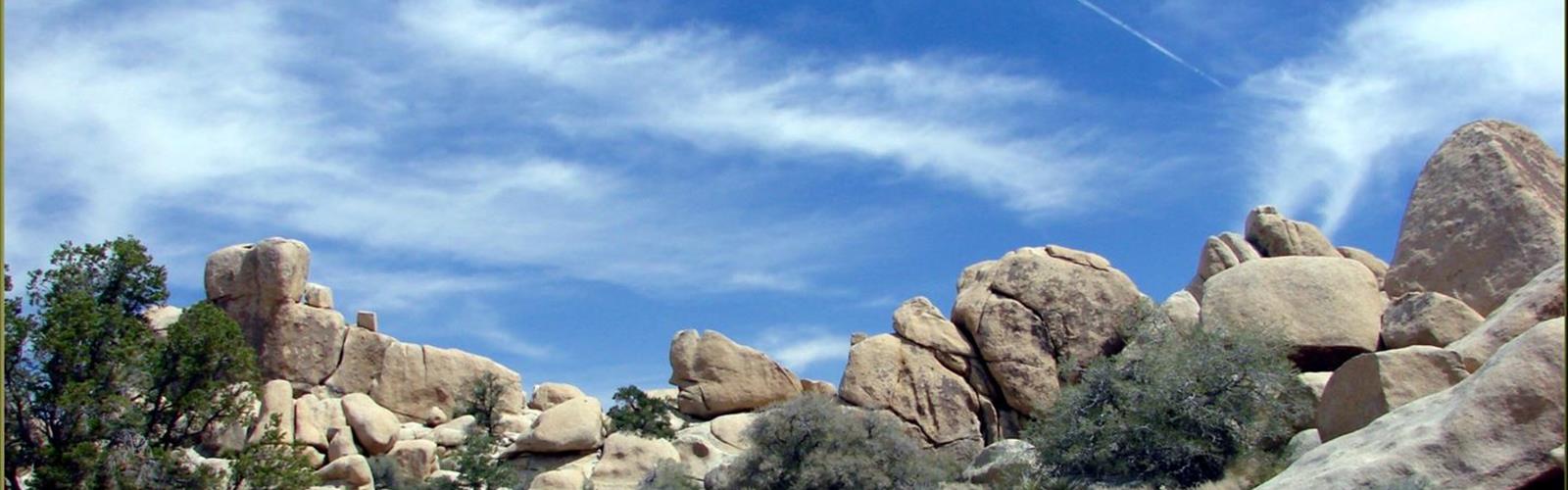

Ready to explore Marble Mountain, California? Here's everything you need to know before you go!
Discover the trail
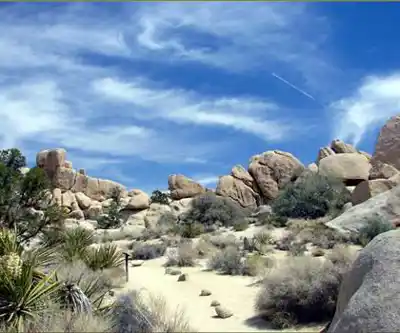
Trail description
Marble Mountain stands as one of California's most distinctive climbing destinations, rising dramatically from the Shasta Cascade region's rugged landscape. This impressive limestone formation offers a unique geological experience that sets it apart from the typical volcanic terrain found throughout much of Northern California.
Geological Features and Formation
The mountain's defining characteristic is its extensive marble composition, created through metamorphic processes that transformed ancient limestone deposits over millions of years. This geological transformation has resulted in striking white and gray rock faces that gleam brilliantly in sunlight, creating a stark contrast against the surrounding forested hills and volcanic peaks of the Shasta Cascade region.
The marble formation contains numerous caves, crevices, and unique rock formations that have been carved by centuries of weathering. These features create an almost otherworldly landscape that feels distinctly different from the typical granite or volcanic rock climbing areas found elsewhere in California.
Climbing Opportunities
Marble Mountain attracts climbers seeking both technical challenges and scenic beauty. The limestone and marble surfaces provide excellent grip and interesting route variations, though climbers should be prepared for the unique characteristics of this rock type. The mountain offers routes suitable for various skill levels, from moderate scrambles to more technical climbing challenges.
The rock quality varies throughout different sections of the mountain, with some areas featuring solid, compact marble while others may present more fractured or weathered surfaces. Climbers should always assess rock stability and choose appropriate protection accordingly.
Natural Environment
The area surrounding Marble Mountain showcases the diverse ecosystems typical of the Shasta Cascade region. Dense coniferous forests dominated by Douglas fir, ponderosa pine, and various fir species blanket the lower elevations, while higher areas may feature more sparse vegetation adapted to the rocky, exposed conditions.
Wildlife in the region includes black bears, deer, and various bird species that thrive in the mixed forest environment. The unique limestone geology also supports specialized plant communities that have adapted to the alkaline soil conditions created by the marble bedrock.
Access and Approach
Reaching Marble Mountain typically requires a combination of driving on forest roads and hiking through varied terrain. The approach can be challenging, particularly during certain seasons when weather conditions affect road accessibility. Visitors should be prepared for potentially rough road conditions and plan accordingly with appropriate vehicles.
The hiking approach to the climbing areas involves navigating through forested terrain and potentially some boulder fields or talus slopes near the base of the marble formations. Proper footwear and navigation skills are essential, as trails may not always be well-marked or maintained.
Seasonal Considerations
The climbing season at Marble Mountain is influenced by the elevation and Northern California's weather patterns. Snow can persist at higher elevations well into spring, while summer months typically offer the most reliable access and climbing conditions. Fall can provide excellent weather with fewer crowds, though daylight hours become shorter.
Winter conditions can make access extremely challenging or impossible, with snow covering approach routes and creating hazardous conditions on the rock faces. Ice formation in cracks and on ledges presents additional safety concerns during colder months.
Safety and Preparation
Climbing at Marble Mountain requires careful preparation and safety awareness. The remote location means that emergency services may be far away, making self-sufficiency and proper safety equipment crucial. Climbers should inform others of their plans and expected return times.
The limestone and marble rock can present unique challenges compared to other rock types. Weather can change rapidly in the mountains, and climbers should be prepared for sudden temperature drops, wind, or precipitation that could make conditions dangerous.
Water sources may be limited in the immediate climbing area, so bringing adequate hydration is essential. The exposed nature of many routes means sun protection becomes critical during summer months.
Environmental Stewardship
Visitors to Marble Mountain should practice Leave No Trace principles to preserve this unique geological and ecological environment. The limestone ecosystem can be particularly sensitive to disturbance, and the specialized plant communities deserve protection.
Proper waste disposal, minimal impact camping practices, and respect for wildlife are essential. Climbers should also be mindful of their impact on the rock itself, using appropriate techniques that minimize damage to the marble surfaces and any associated vegetation growing in cracks or on ledges.
The remote and pristine nature of Marble Mountain makes it a special destination that requires responsible visitation to ensure its preservation for future generations of climbers and outdoor enthusiasts.
The Essential Hiking Checklist
Everything you need for your next hike. Bilingual, printable, 1 page.
Get your free hiking checklistRecommended gear for this trail
As an Amazon Associate I earn from qualifying purchases.


Ready to go?
Everything you need to know before you goWhen?
How much?
As an Amazon Associate I earn from qualifying purchases.
Affiliate links — LGPO may earn a commission at no extra cost to you.
- Hiking shoes Essential
- → Salomon Elixir Tour Mid WP · 203.38 $
- Layered clothing Essential
- Rain jacket Essential
- Trekking poles
- → Black Diamond Trail Ergo Cork · 69.99 $
- Headlamp
- → Petzl Actik Core 625 · 103.95 $
FAQ - Frequently asked questions
Everything you need to knowSimilar hikes nearby
Discover other trails you might enjoy

Mount Ingalls, California
Shasta Cascade
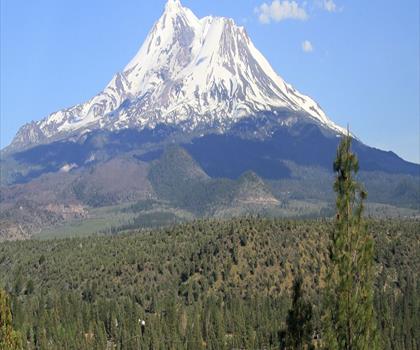
Mount Shasta, California
Shasta Cascade
Mule Mountain, California
Shasta Cascade
Round Valley Reservoir
Shasta Cascade
Klamath River
Shasta Cascade
Lassen Volcanic National Park
Shasta Cascade
Hiking near Victoria
93 trails to explore ~762 km away
We work hard to provide the most up-to-date and error-free data possible. If something seems incorrect, let us know! Your contribution helps the whole community.
Hikers' opinions
Be the first to review!
No hiker has shared their experience yet. Share your impressions and help other hikers!