

Ready to explore Mount Abbot, California? Here's everything you need to know before you go!
Discover the trail
Trail description
Mount Abbot stands as one of the prominent fourteeners in California's Sierra Nevada, rising to 13,704 feet above sea level. This imposing peak offers a challenging mountaineering experience that attracts climbers seeking to test their skills on high-altitude granite terrain. Located in the John Muir Wilderness, Mount Abbot provides a remote alpine adventure far from the crowds of more accessible Sierra peaks.
The Mountain and Its Character
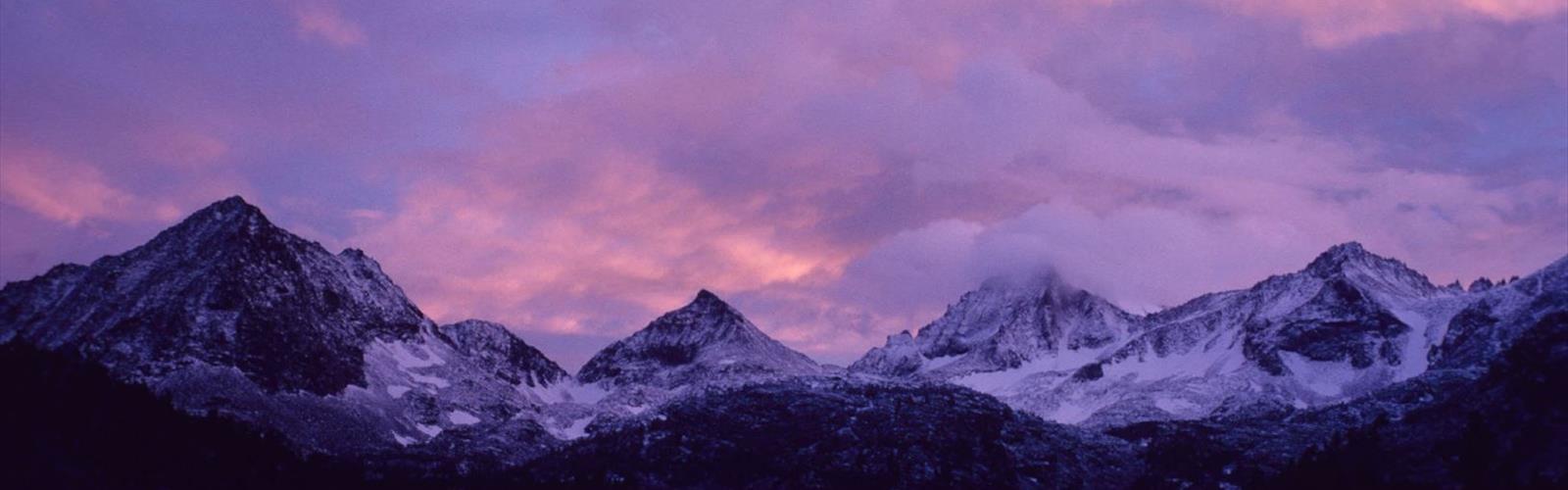
Mount Abbot presents a classic Sierra Nevada profile with steep granite faces, exposed ridges, and dramatic relief. The mountain's north and east faces offer the most technical climbing routes, while the standard approach typically follows the southwest slopes. The peak sits in a cluster of high summits that create an impressive alpine cirque, surrounded by permanent snowfields and small glaciers that persist well into the climbing season.
The granite here exhibits the characteristic Sierra quality - solid, featured rock that provides excellent holds when dry. However, the high elevation means weather can change rapidly, and climbers often encounter a mix of rock, snow, and ice conditions depending on the season and route chosen.
Climbing Routes and Technical Considerations
The standard route on Mount Abbot follows a Class 3 to Class 4 line up the southwest face, requiring solid scrambling skills and comfort with exposure. More technical routes exist on the north face, offering Class 5 rock climbing for those seeking greater challenge. The approach typically involves a significant hike through wilderness terrain before reaching the base of the climbing routes.
Climbers should be prepared for loose rock in some sections, particularly on the upper reaches of the mountain. The final summit pyramid often requires careful route-finding and steady nerves, as the exposure increases significantly near the top. Weather awareness becomes critical at this elevation, where afternoon thunderstorms can develop quickly during summer months.
Wilderness Setting and Environment
The John Muir Wilderness designation means Mount Abbot exists in a pristine alpine environment with minimal human impact. The approach traverses classic Sierra Nevada ecosystems, from montane forests at lower elevations through subalpine zones and into the stark beauty of the alpine environment above treeline.
Wildlife in the area includes marmots, pikas, and occasionally mountain goats on the higher rocky terrain. The alpine environment supports specialized plant communities adapted to the harsh conditions of high elevation, short growing seasons, and intense UV radiation.
Access and Approach
Reaching Mount Abbot requires a substantial commitment, with approach hikes that typically span multiple days. The trailheads accessing this remote peak involve driving on mountain roads that may require high-clearance vehicles, particularly later in the season or after winter storms.
Most climbing parties plan for multi-day trips, establishing base camps in the alpine basins below the peak. Water sources exist in the area, but climbers should be prepared to treat all water and carry sufficient supplies for the duration of their trip. The remoteness means self-sufficiency is essential - rescue would be difficult and time-consuming.
Seasonal Considerations
The climbing season on Mount Abbot typically runs from mid-summer through early fall, when snow conditions allow safe passage on the approach routes and the rock faces are relatively free of ice. Early season attempts may encounter significant snow on north-facing aspects and require mountaineering equipment including ice axes and crampons.
Late season climbing can offer excellent conditions with stable weather, but shorter days and the possibility of early winter storms require careful planning. The high elevation means temperatures can drop below freezing even during summer months, particularly at night.
Skills and Preparation Required
Mount Abbot demands solid mountaineering skills including route-finding, rock scrambling, and high-altitude acclimatization. Climbers should be comfortable with Class 3 and Class 4 terrain and have experience with exposure and loose rock. Navigation skills are essential, as the route-finding can be complex, particularly in poor weather conditions.
Physical conditioning should emphasize endurance and leg strength for the long approach, as well as upper body strength for the technical climbing sections. Mental preparation is equally important, as the remote location and technical nature of the climb require sound judgment and the ability to make critical decisions under stress.
What Sets Mount Abbot Apart
Mount Abbot offers a true wilderness climbing experience in one of California's most spectacular mountain ranges. Unlike some of the more popular Sierra peaks, Mount Abbot maintains its wild character through its remote location and technical demands. The combination of a challenging approach, quality granite climbing, and stunning alpine scenery creates an experience that epitomizes Sierra Nevada mountaineering.
The peak provides climbers with the opportunity to test their skills in a serious mountain environment while experiencing the raw beauty of the high Sierra. For those seeking to push their limits and experience genuine adventure climbing, Mount Abbot delivers an unforgettable challenge in one of North America's premier mountain ranges.
The Essential Hiking Checklist
Everything you need for your next hike. Bilingual, printable, 1 page.
Get your free hiking checklistRecommended gear for this trail
As an Amazon Associate I earn from qualifying purchases.


Ready to go?
Everything you need to know before you goWhen?
How much?
As an Amazon Associate I earn from qualifying purchases.
Affiliate links — LGPO may earn a commission at no extra cost to you.
- Hiking shoes Essential
- → Salomon Elixir Tour Mid WP · 203.38 $
- Layered clothing Essential
- Rain jacket Essential
- Trekking poles
- → Black Diamond Trail Ergo Cork · 69.99 $
- Headlamp
- → Petzl Actik Core 625 · 103.95 $
FAQ - Frequently asked questions
Everything you need to knowSimilar hikes nearby
Discover other trails you might enjoy

Coso Range Wilderness Trail
Sierra Nevada
Bloody Mountain, California
Sierra Nevada
Mount Lyell, California
Sierra Nevada
California Hot Springs
Sierra Nevada
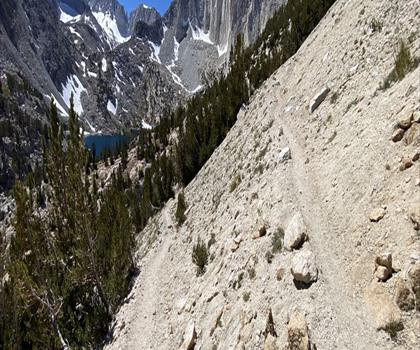
Mount Hopkins, California
Sierra Nevada
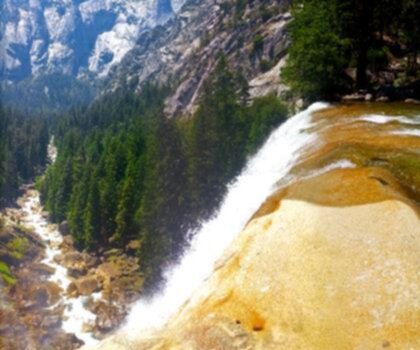
Vernal and Nevada Falls (The Mist) Trail
Sierra Nevada
Hiking near Victoria
93 trails to explore ~1282 km away
We work hard to provide the most up-to-date and error-free data possible. If something seems incorrect, let us know! Your contribution helps the whole community.
Hikers' opinions
Be the first to review!
No hiker has shared their experience yet. Share your impressions and help other hikers!