
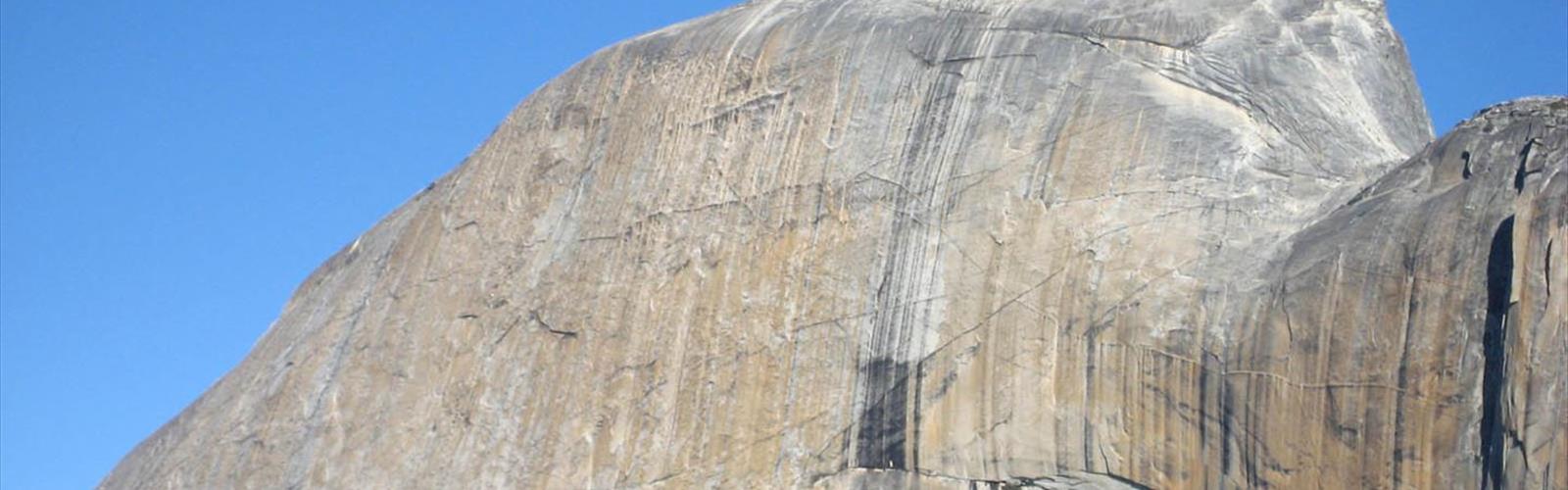

Ready to explore Mount Clark, California? Here's everything you need to know before you go!
Discover the trail
Trail description
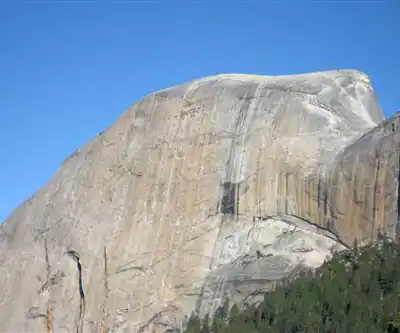
Mount Clark is one of the more striking and less-traveled peaks in Yosemite's high country, rising sharply above the Clark Range in the Sierra Nevada of California. It stands at approximately 11,522 feet (3,512 m) and is named after Galen Clark, the first guardian of Yosemite Valley. The mountain's distinctive profile — a steep, angular summit block — makes it a recognizable landmark from many vantage points across the backcountry, and a genuine objective for those looking to go beyond maintained trails.
What Kind of Objective Is This?
Mount Clark is a climbing route, not a standard hiking trail. Reaching the summit involves off-trail travel through Yosemite's backcountry and a technical scramble on the upper mountain. The final push to the top requires route-finding on rock, and depending on conditions and the line you take, some sections can feel exposed. This is not a peak for casual day hikers — it's best suited to those with backcountry experience, solid scrambling skills, and comfort navigating without a marked path.
Most parties approach Mount Clark as part of a multi-day backpacking trip into the Clark Range area, though strong and experienced climbers have completed it as a very long day from trailheads like Happy Isles or Glacier Point Road. The approach involves significant mileage through remote terrain before the technical climbing even begins.
The Terrain
The landscape you move through on the way to Mount Clark is classic Sierra Nevada high country: granite slabs, open meadows, conifer forest at lower elevations giving way to sparse subalpine terrain, and eventually bare rock as you gain elevation toward the summit. The Clark Range sits in a relatively wild and quiet corner of Yosemite, away from the crowds that concentrate in the Valley and along the more popular backcountry corridors.
The summit block itself is steep granite. Route conditions vary depending on the season and how much snow remains. Early season ascents may involve snow travel on the approach or on the upper mountain, which adds complexity and requires appropriate gear and experience. Late summer and early fall typically offer the most straightforward conditions on the rock.
Permits and Access
Mount Clark lies entirely within Yosemite National Park. Overnight trips require a Yosemite wilderness permit, which must be obtained in advance — competition for permits in this park is real, especially during peak summer months. Day use of the park requires a valid entrance pass. Camping in the backcountry is subject to Yosemite's wilderness regulations, including bear canister requirements, which are mandatory throughout the park's backcountry.
Trailhead access depends on your chosen approach route. Glacier Point Road provides access to some of the closer trailheads for the Clark Range, but road opening dates vary by year depending on snowpack. Check current conditions with the National Park Service before planning your trip.
What Makes Mount Clark Worth It
The relative remoteness of Mount Clark is a big part of its appeal. You're unlikely to encounter crowds on the approach or at the summit. The views from the top are expansive — the kind of panoramic Sierra Nevada perspective that takes in a huge sweep of Yosemite's high country, including surrounding peaks, glacially carved valleys, and the vast granite landscape that defines this range.
For climbers and scramblers who have already ticked the more accessible Yosemite peaks, Mount Clark offers a step up in commitment and a genuine sense of adventure. The combination of a long backcountry approach and a technical summit makes it a full mountain experience rather than just a hike to a high point.
Things to Know Before You Go
- Technical terrain: The summit requires scrambling on steep granite. Assess your comfort level honestly before committing to this objective.
- Wilderness permit required: Overnight trips need a Yosemite wilderness permit booked through the National Park Service reservation system.
- Bear canister mandatory: Required for all backcountry camping in Yosemite. No exceptions.
- Snow conditions: The upper mountain can hold snow well into summer. Check conditions and carry appropriate gear if traveling early in the season.
- Navigation skills: There is no marked trail to the summit. Topo map reading and off-trail navigation are essential.
- Leave No Trace: The Clark Range is a fragile, lightly visited area. Pack out everything and camp on durable surfaces.
Mount Clark rewards the effort it demands — it's a serious Sierra Nevada objective in one of the most iconic mountain landscapes in North America, and reaching its summit puts you in a very quiet corner of Yosemite that most visitors never see.
The Essential Hiking Checklist
Everything you need for your next hike. Bilingual, printable, 1 page.
Get your free hiking checklistRecommended gear for this trail
As an Amazon Associate I earn from qualifying purchases.


Ready to go?
Everything you need to know before you goWhen?
How much?
As an Amazon Associate I earn from qualifying purchases.
Affiliate links — LGPO may earn a commission at no extra cost to you.
- Hiking shoes Essential
- → Salomon Elixir Tour Mid WP · 203.38 $
- Layered clothing Essential
- Rain jacket Essential
- Trekking poles
- → Black Diamond Trail Ergo Cork · 69.99 $
- Headlamp
- → Petzl Actik Core 625 · 103.95 $
FAQ - Frequently asked questions
Everything you need to knowSimilar hikes nearby
Discover other trails you might enjoy

Coso Range Wilderness Trail
Sierra Nevada
Bloody Mountain, California
Sierra Nevada
Mount Lyell, California
Sierra Nevada
California Hot Springs
Sierra Nevada
Mount Hopkins, California
Sierra Nevada
Vernal and Nevada Falls (The Mist) Trail
Sierra Nevada
Hiking near Victoria
93 trails to explore ~1234 km away
We work hard to provide the most up-to-date and error-free data possible. If something seems incorrect, let us know! Your contribution helps the whole community.
Hikers' opinions
Be the first to review!
No hiker has shared their experience yet. Share your impressions and help other hikers!