
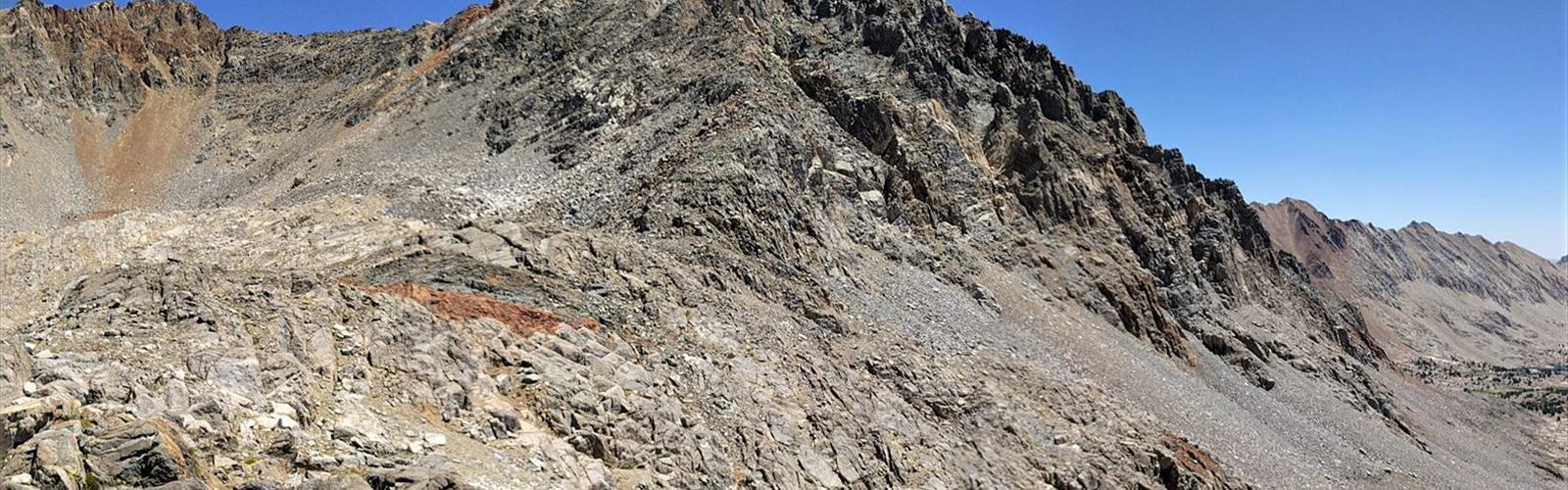

Ready to explore Mount Pinchot, California? Here's everything you need to know before you go!
Discover the trail
Trail description
Mount Pinchot stands as one of California's notable alpine climbing destinations, offering mountaineers a challenging ascent in the heart of the Sierra Nevada range. This prominent peak attracts experienced climbers seeking technical routes and stunning high-altitude terrain that defines California's mountain wilderness.
Mountain Character and Terrain
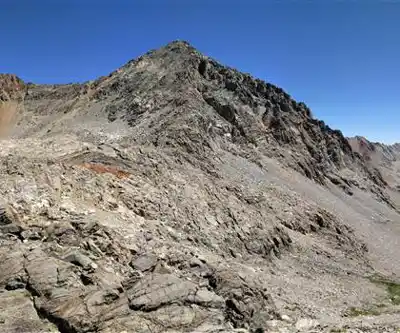
The mountain presents a classic Sierra Nevada profile with granite faces, steep ridges, and alpine conditions that demand respect and preparation. Mount Pinchot's rocky terrain features the characteristic granite formations that make the Sierra Nevada famous among climbers worldwide. The approach to the mountain takes you through varied elevation zones, from forested lower slopes to exposed alpine environments where weather conditions can change rapidly.
The granite walls and ridges offer multiple route options, each presenting unique technical challenges. The rock quality varies throughout different sections of the mountain, with some areas providing excellent holds while others require careful route-finding and protection placement. Snow and ice conditions play a significant role in route accessibility, particularly during winter and early spring months.
Climbing Experience
Climbing Mount Pinchot requires solid mountaineering skills and experience with alpine conditions. The routes typically involve a combination of rock climbing, potential snow travel, and navigation through complex terrain. Climbers should be comfortable with multi-pitch climbing techniques and prepared for the physical demands of high-altitude ascents.
The approach itself serves as part of the adventure, often requiring several hours of hiking through wilderness terrain before reaching the base of climbing routes. This extended approach adds to the commitment level and requires careful planning for gear, water, and emergency supplies.
Weather conditions on Mount Pinchot can shift quickly, as is common with high-elevation Sierra peaks. Morning starts are typically recommended to avoid afternoon thunderstorms during summer months. Winter conditions bring additional challenges with snow, ice, and extreme cold that require specialized equipment and advanced mountaineering skills.
Route Considerations
The mountain offers various route options catering to different skill levels within the advanced climbing spectrum. Some routes focus primarily on rock climbing techniques, while others incorporate mixed climbing elements depending on seasonal conditions. Route selection should match your experience level and current mountain conditions.
Protection placement opportunities vary by route, with some sections offering abundant crack systems for traditional climbing gear, while other areas may require different protection strategies. Climbers should research specific route requirements and carry appropriate gear for their chosen ascent.
Descent routes require careful attention, as they often involve complex navigation through terrain that may not be familiar from the ascent perspective. Some routes allow for rappelling, while others require careful downclimbing or alternative descent paths.
Access and Logistics
Reaching Mount Pinchot typically involves driving to established trailheads that provide access to the wilderness areas surrounding the peak. Parking availability can vary seasonally, and some access roads may have restrictions or closures during winter months. Early arrival at trailheads is often necessary, especially during peak climbing seasons.
The wilderness setting means climbers must be self-sufficient for the duration of their climb. This includes carrying all necessary technical gear, safety equipment, food, and water for what often becomes a full-day commitment or multi-day expedition depending on the chosen route and approach strategy.
Safety and Preparation
Mount Pinchot climbing requires thorough preparation and safety planning. The remote location means that rescue operations would be complex and time-consuming, making self-rescue capabilities and accident prevention crucial. Climbers should inform others of their planned routes and expected return times.
Essential gear includes appropriate climbing hardware, helmets, weather protection, navigation tools, and emergency supplies. The specific gear list varies by route and season, but redundancy in critical safety items is always recommended for alpine climbing environments.
Physical conditioning plays a vital role in safe climbing on Mount Pinchot. The combination of approach hiking, high altitude, and technical climbing demands good cardiovascular fitness and climbing-specific strength. Mental preparation for the commitment and potential challenges is equally important.
Environmental Considerations
As with all Sierra Nevada wilderness climbing, Leave No Trace principles are essential for preserving the mountain environment. This includes proper waste disposal, minimizing impact on vegetation, and respecting wildlife habitats. The alpine environment is particularly fragile and slow to recover from damage.
Wildlife encounters are possible in the area, and climbers should take appropriate precautions for food storage and camp setup if planning overnight trips. Weather awareness extends beyond immediate safety concerns to include understanding how conditions affect route accessibility and rock quality.
Mount Pinchot represents the serious nature of Sierra Nevada alpine climbing, where technical skills, physical preparation, and mountain judgment combine to create memorable and challenging climbing experiences in California's premier mountain wilderness.
The Essential Hiking Checklist
Everything you need for your next hike. Bilingual, printable, 1 page.
Get your free hiking checklistRecommended gear for this trail
As an Amazon Associate I earn from qualifying purchases.


Ready to go?
Everything you need to know before you goWhen?
How much?
As an Amazon Associate I earn from qualifying purchases.
Affiliate links — LGPO may earn a commission at no extra cost to you.
- Hiking shoes Essential
- → Salomon Elixir Tour Mid WP · 203.38 $
- Layered clothing Essential
- Rain jacket Essential
- Trekking poles
- → Black Diamond Trail Ergo Cork · 69.99 $
- Headlamp
- → Petzl Actik Core 625 · 103.95 $
FAQ - Frequently asked questions
Everything you need to knowSimilar hikes nearby
Discover other trails you might enjoy

Coso Range Wilderness Trail
Sierra Nevada
Bloody Mountain, California
Sierra Nevada
Mount Lyell, California
Sierra Nevada
California Hot Springs
Sierra Nevada
Mount Hopkins, California
Sierra Nevada
Vernal and Nevada Falls (The Mist) Trail
Sierra Nevada
Hiking near Victoria
93 trails to explore ~1338 km away
We work hard to provide the most up-to-date and error-free data possible. If something seems incorrect, let us know! Your contribution helps the whole community.
Hikers' opinions
Be the first to review!
No hiker has shared their experience yet. Share your impressions and help other hikers!