
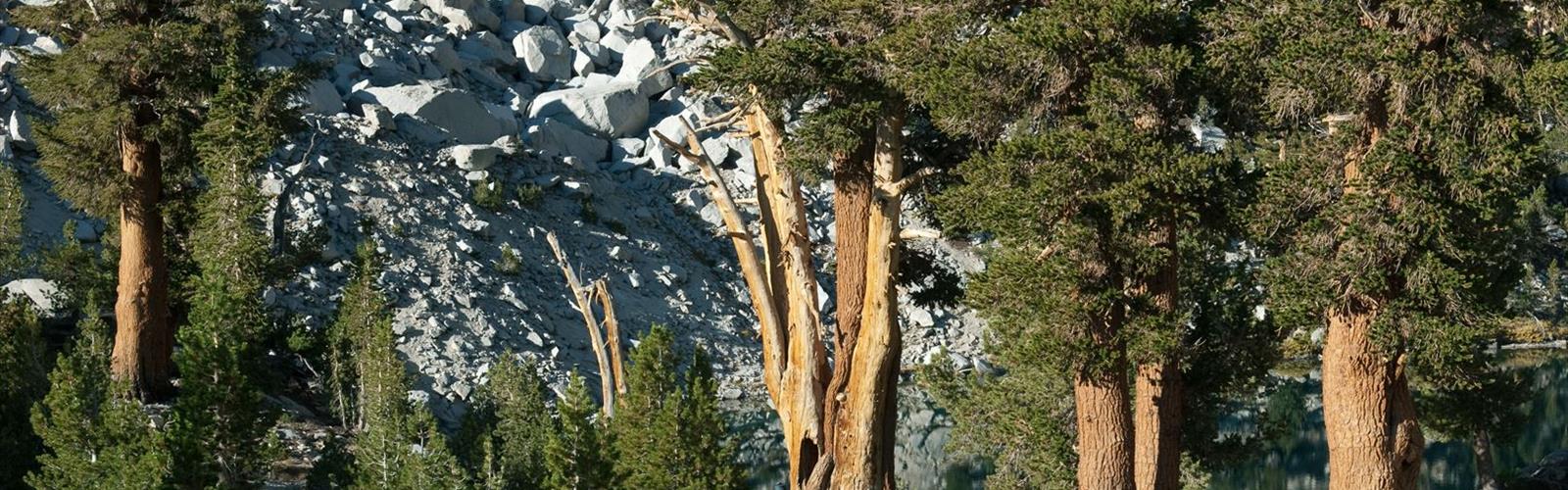

Ready to explore University Peak, California? Here's everything you need to know before you go!
Discover the trail
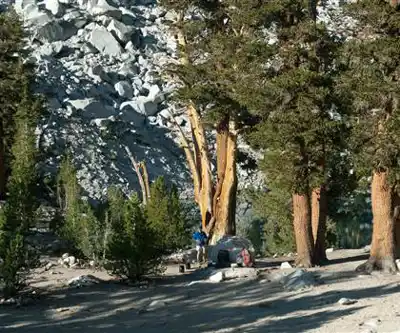
Trail description
University Peak is one of the more rewarding summit objectives in the Sierra Nevada, offering a genuine mountaineering experience without requiring technical rope work for most parties. It's the kind of climb that sits right at the edge between a hard hike and a real alpine ascent — and that's exactly what makes it worth the effort.
The Mountain
University Peak rises prominently in the Sierra Nevada of California, standing as a named summit with enough prominence to make the climb feel earned. The peak is part of the greater Kings Canyon and Kearsarge Pass area, a stretch of the Sierra that consistently delivers dramatic granite scenery, high-altitude lakes, and the kind of wide-open sky you don't forget. The name itself has a history tied to the University of California, which conducted early surveys in this range.
This is not a walk-up. The upper sections involve class 3 scrambling — meaning you'll be using your hands on rock, picking your way through talus and exposed ridgeline terrain. Route-finding matters here. Parties who've done it before will move confidently; first-timers should study the approach carefully and be comfortable on loose rock before committing to the summit push.
The Approach
The most common approach to University Peak starts from the Onion Valley Trailhead, which sits at high elevation and gives you a significant head start on altitude. From there, the route typically follows the trail toward Kearsarge Pass — one of the most-used high passes in the Sierra — before branching off toward the peak itself. The Kearsarge Pass Trail is well-maintained and heavily traveled in summer, which means the early miles of your approach will feel social. Once you leave the main trail and start heading toward University Peak, the crowds thin out fast.
The terrain transitions from maintained trail to use trail to open talus as you gain elevation. There's no single "correct" line on the upper mountain — experienced scramblers will read the rock and find their own way. The general objective is clear from below, but the details of the route require attention and good judgment, especially on descent when tired legs and loose rock are a bad combination.
What to Expect on the Climb
The scrambling on University Peak is engaging without being extreme. Class 3 terrain means you're moving over rock that requires three points of contact and some route-finding, but you're not clipping into protection or managing a rope. That said, exposure is real on parts of the ridge, and a slip in the wrong place has consequences. Solid footwear — trail runners at minimum, approach shoes or light mountaineering boots preferred — makes a meaningful difference on this kind of terrain.
The talus fields below the summit are the kind that test your patience. Big blocks, some wobbly, require deliberate foot placement. It's slow going compared to trail miles, and it's worth factoring that into your time planning. The payoff is a summit with genuine 360-degree views across the Sierra crest, down into the Owens Valley to the east, and out over the Kings Canyon backcountry to the west.
Altitude and Acclimatization
University Peak is a high-altitude objective in every sense. The Onion Valley Trailhead itself sits well above 9,000 feet, and the summit is significantly higher. If you're coming from sea level or low elevation, spending at least one night at or near trailhead elevation before attempting the climb is strongly recommended. Altitude sickness doesn't care how fit you are — it's about acclimatization, and rushing it is the most common mistake people make in the Sierra.
Headaches, fatigue, and nausea are warning signs. If symptoms appear on the way up, descending is always the right call. The mountain will be there another day.
Gear and Preparation
- Footwear: Approach shoes or sturdy trail runners with good grip. Avoid road running shoes on the talus.
- Layers: Sierra weather moves fast. Even in summer, temperatures drop sharply above 12,000 feet and afternoon thunderstorms are a real hazard. Start early and be off exposed terrain by early afternoon.
- Navigation: A downloaded topo map and familiarity with the route before you leave the trailhead. Cell service is unreliable in this terrain.
- Water: Carry enough for the full day. There are water sources on the approach, but treat everything.
- Sun protection: At altitude, UV exposure is intense. Sunscreen, sunglasses, and a hat are not optional.
- Helmet: Optional but worth considering given the loose rock and scrambling terrain.
Permits and Access
The Onion Valley Trailhead falls within the jurisdiction of the Inyo National Forest. Overnight trips into the backcountry from this trailhead require a wilderness permit, and quota systems are in place during peak season — typically mid-June through mid-September. Day hikers and climbers do not need a permit for a single-day ascent, but it's worth confirming current regulations with the Inyo National Forest before your trip, as rules can change season to season.
Parking at Onion Valley fills early on summer weekends. Getting there before sunrise is not an exaggeration — it's a practical necessity if you want a spot and want to be on the mountain before afternoon weather builds.
Who This Climb Is For
University Peak is best suited for hikers who have already done some off-trail travel and are comfortable on rocky, uneven terrain. If you've scrambled class 2 peaks in the Sierra and want to step up to something with a bit more technical engagement, this is a natural progression. It's not the right objective for someone whose experience is limited to maintained trails, and it's not a good choice for anyone uncomfortable with exposure or route-finding on unmarked terrain.
For experienced Sierra scramblers, it's a satisfying day on a peak with real character — the kind of summit that takes something from you and gives something back in equal measure.
The Essential Hiking Checklist
Everything you need for your next hike. Bilingual, printable, 1 page.
Get your free hiking checklistRecommended gear for this trail
As an Amazon Associate I earn from qualifying purchases.


Ready to go?
Everything you need to know before you goWhen?
How much?
As an Amazon Associate I earn from qualifying purchases.
Affiliate links — LGPO may earn a commission at no extra cost to you.
- Hiking shoes Essential
- → Salomon Elixir Tour Mid WP · 203.38 $
- Layered clothing Essential
- Rain jacket Essential
- Trekking poles
- → Black Diamond Trail Ergo Cork · 69.99 $
- Headlamp
- → Petzl Actik Core 625 · 103.95 $
FAQ - Frequently asked questions
Everything you need to knowSimilar hikes nearby
Discover other trails you might enjoy

Coso Range Wilderness Trail
Sierra Nevada
Bloody Mountain, California
Sierra Nevada
Mount Lyell, California
Sierra Nevada
California Hot Springs
Sierra Nevada
Mount Hopkins, California
Sierra Nevada
Vernal and Nevada Falls (The Mist) Trail
Sierra Nevada
Hiking near Victoria
93 trails to explore ~1360 km away
We work hard to provide the most up-to-date and error-free data possible. If something seems incorrect, let us know! Your contribution helps the whole community.
Hikers' opinions
Be the first to review!
No hiker has shared their experience yet. Share your impressions and help other hikers!