
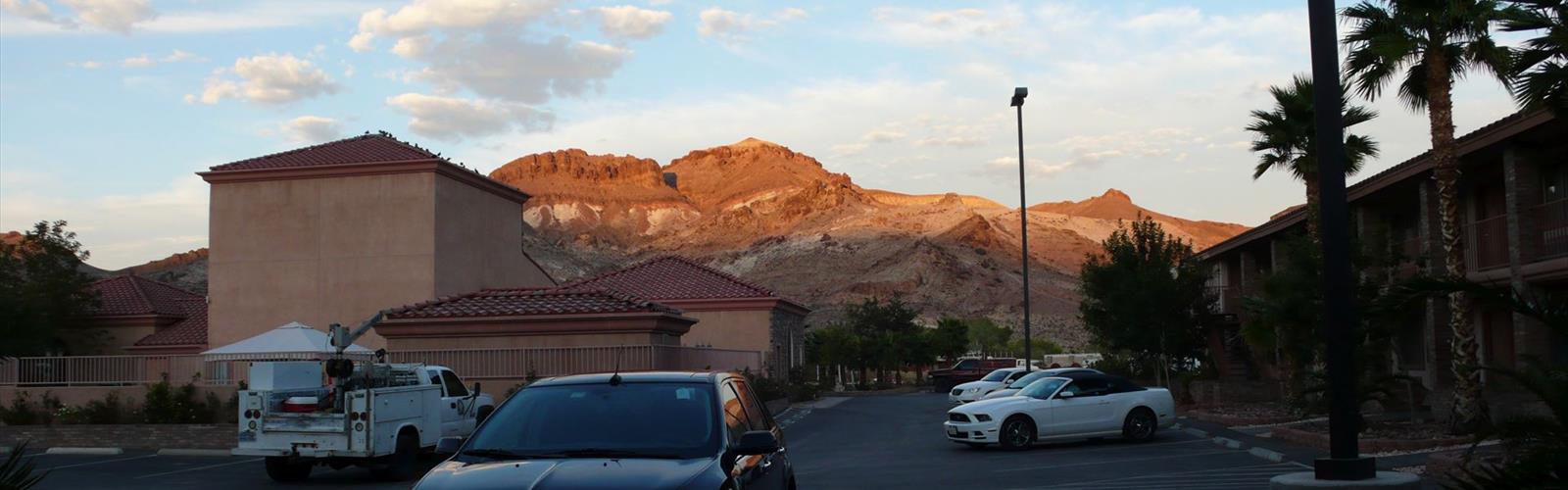

Ready to explore Bare Mountain, Nevada? Here's everything you need to know before you go!
Discover the trail
Oh no! We don't have any photos 😢
This trail hasn't been captured yet. Be the first to share your adventure!Trail description
Bare Mountain in central Nevada is a remote and rugged peak that draws climbers and scramblers looking for a genuine desert summit experience far from the crowds. Located in the heart of the Nevada desert, this mountain lives up to its name — stark, exposed, and unapologetically raw. If you're after a polished, well-marked trail with amenities at the trailhead, this isn't your spot. But if you're drawn to wide-open desert terrain, big views, and the kind of quiet that only comes with true remoteness, Bare Mountain delivers.
The Terrain
As the name suggests, Bare Mountain is largely devoid of vegetation cover, especially as you gain elevation. The lower slopes feature the sparse desert scrub typical of central Nevada — sagebrush, rabbitbrush, and scattered desert grasses — but the upper mountain is open rock and loose scree. The climbing here is more of a scramble than a technical climb, but the terrain demands solid footing and attention. Loose rock is a consistent factor, so trekking poles and sturdy boots with good ankle support are strongly recommended.
The desert geology is on full display throughout the ascent. Exposed ridgelines, rocky outcrops, and the kind of open, unobstructed landscape that makes Nevada's backcountry so distinctive. There's no canopy to speak of, which means full sun exposure for most of the route — something to plan around carefully depending on the season and time of day.
What to Expect on the Climb
This is a route for people comfortable with route-finding in open desert terrain. There's no formal maintained trail to the summit, so navigation skills and a good sense of the terrain are important. A GPS device or downloaded topo map is a smart addition to your kit before heading out. The approach and ascent require reading the landscape and picking your line as you go, which is part of what makes this kind of desert peak climbing appealing to those who seek it out.
The exposure on the upper mountain means wind can be a significant factor, and temperatures in the Nevada desert swing dramatically between morning and afternoon, and between seasons. Starting early is almost always the right call — both to avoid the worst of the midday heat in warmer months and to give yourself a comfortable buffer of daylight for the descent.
Access and Logistics
Bare Mountain sits in central Nevada, a region known for its long drives on remote roads and limited services. Getting to the trailhead typically involves navigating unpaved desert roads, and road conditions can vary significantly depending on recent weather. A high-clearance vehicle is advisable, and checking conditions locally before heading out is worth the effort. Cell service in this area is limited to nonexistent, so plan accordingly — let someone know your itinerary before you go.
There are no facilities at the trailhead. No water, no restrooms, no signage to speak of. Self-sufficiency is the baseline expectation here. Carry more water than you think you'll need — desert climbs in Nevada can be deceptively demanding on hydration, especially on exposed terrain with no shade.
Who This Route Is For
Bare Mountain is best suited for hikers and scramblers with experience in off-trail desert terrain. It's not a beginner outing, primarily because of the route-finding component, the loose rock on the upper mountain, and the remote setting that leaves little margin for error. That said, it doesn't require technical climbing gear or ropes — it's within reach for fit, experienced hikers who are comfortable moving on rocky, uneven ground without a marked path underfoot.
For those who've explored the more accessible peaks of the region and are looking to push into quieter, more demanding territory, Bare Mountain fits the bill. The summit rewards you with the kind of panoramic desert views that central Nevada does exceptionally well — vast, silent, and genuinely hard-earned.
Practical Tips
- Water: Carry significantly more than you think you need. There is no water source on the route.
- Navigation: Download a topo map and bring a GPS device. Route-finding is required.
- Vehicle: High-clearance is recommended for the access road.
- Sun protection: Full exposure throughout — sunscreen, a hat, and sun-protective clothing are essential.
- Start time: Early morning starts are strongly advised to manage heat and maximize daylight.
- Communication: Cell service is unreliable. File a trip plan with someone before you head out.
The Essential Hiking Checklist
Everything you need for your next hike. Bilingual, printable, 1 page.
Get your free hiking checklistRecommended gear for this trail
As an Amazon Associate I earn from qualifying purchases.


Ready to go?
Everything you need to know before you goWhen?
How much?
As an Amazon Associate I earn from qualifying purchases.
Affiliate links — LGPO may earn a commission at no extra cost to you.
- Hiking shoes Essential
- → Salomon Elixir Tour Mid WP · 203.38 $
- Layered clothing Essential
- Rain jacket Essential
- Trekking poles
- → Black Diamond Trail Ergo Cork · 69.99 $
- Headlamp
- → Petzl Actik Core 625 · 103.95 $
FAQ - Frequently asked questions
Everything you need to knowSimilar hikes nearby
Discover other trails you might enjoy

Hiking near Victoria
93 trails to explore ~1398 km away
We work hard to provide the most up-to-date and error-free data possible. If something seems incorrect, let us know! Your contribution helps the whole community.
Hikers' opinions
Be the first to review!
No hiker has shared their experience yet. Share your impressions and help other hikers!