
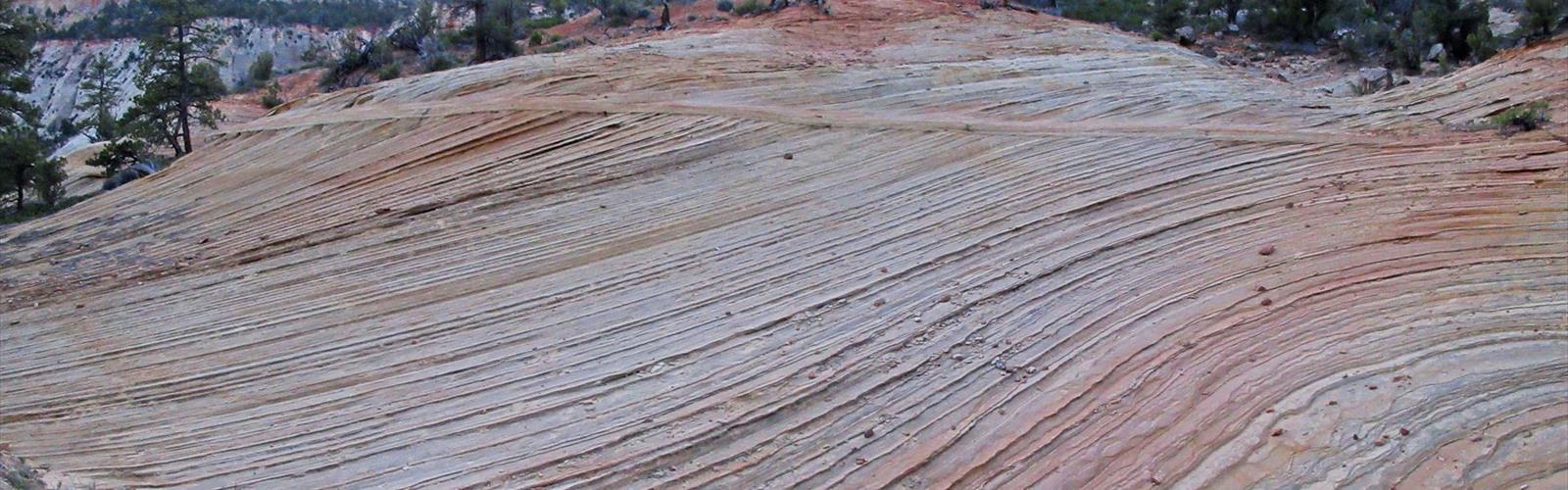

Ready to explore East Rim Trail? Here's everything you need to know before you go!
Discover the trail
Trail description
The East Rim Trail in central Utah is one of those routes that rewards hikers who are willing to put in the effort to get there. Sitting above the canyon country that defines this part of the state, the trail follows the eastern rim and delivers the kind of sweeping, open views that make you stop mid-step just to take it all in. It's a trail that feels genuinely remote, even if you're not deep in the backcountry.
The Terrain
The East Rim Trail runs along elevated terrain where the landscape opens up dramatically. You're walking the edge of a rim, which means one side often drops away into canyon depths while the other side rolls into broader plateau country. The trail surface varies — expect a mix of packed dirt, exposed rock slabs, and sections where the path narrows as it hugs the rim edge more closely.
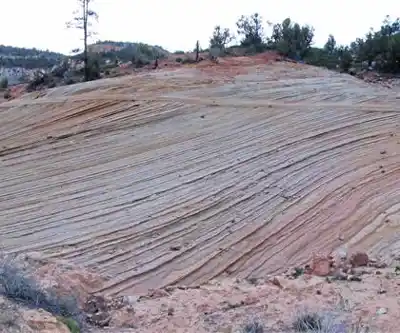
The geology here is classic Utah canyon country: layered sandstone and sedimentary rock in shades of red, orange, and cream. The rock underfoot tells the story of ancient environments, and if you pay attention, you'll notice how the color and texture shift as you move along the route. Footing is generally solid, but some sections require a bit of attention, especially where the trail crosses exposed rock or approaches the rim edge.
Vegetation along the trail reflects the high desert environment of central Utah. You'll find pinyon pine and juniper scattered across the plateau, with sagebrush filling in the open stretches. In sheltered pockets and along any drainage features, the plant life gets a bit denser. The overall feel is open and exposed — this is not a shaded forest walk, so sun protection and water management matter here.
What the Experience Is Like
Hiking the East Rim Trail is fundamentally about the views and the sense of space. Walking a rim trail means the landscape is constantly present — you're not moving through it so much as moving above it. The canyon drops visible from the trail give a real sense of scale and depth that flat or forested trails simply can't offer.
The trail has a quiet, uncrowded character that's typical of central Utah's less-trafficked areas. You're unlikely to be shoulder-to-shoulder with other hikers here. That solitude is part of the appeal — it's the kind of place where you can actually hear the wind and the birds without background noise from crowds.
Because the trail follows the rim, the exposure to sun and wind is significant. On a clear day, the light on the canyon walls is exceptional, especially in the morning and late afternoon when the angles are low. Midday in summer can be intense, so timing your hike for cooler parts of the day makes a real difference in comfort.
Getting There and Access
The East Rim Trail is located in central Utah, a region where distances between services can be significant. Planning ahead for fuel, water, and supplies before heading out is important. Road conditions to trailheads in this part of Utah can vary depending on recent weather, and some access roads may require a higher-clearance vehicle. Checking current conditions before you go is always a good idea in this region.
Parking at the trailhead is typically straightforward, with space for a reasonable number of vehicles. Arriving early on busier days is a good habit, though this trail sees less pressure than the more famous Utah destinations.
What to Bring
The high desert environment of central Utah demands solid preparation regardless of the season. A few things worth having with you:
- Water: Carry more than you think you need. There are no reliable water sources along a rim trail, and the dry air and sun pull moisture out of you faster than you expect.
- Sun protection: Hat, sunscreen, and sunglasses are non-negotiable on an exposed rim trail. The UV intensity at elevation in Utah is real.
- Layers: Temperatures in central Utah can shift quickly, especially if afternoon storms roll in. A light wind layer is worth the minimal pack weight.
- Sturdy footwear: Trail runners or hiking boots with decent grip handle the mix of dirt and rock surfaces well.
- Navigation: A downloaded offline map or a physical topo map is useful in areas where cell service is limited or absent.
Wildlife and Natural Features
Central Utah's canyon and plateau country supports a range of wildlife. Raptors are a common sight along rim trails — hawks and ravens in particular tend to use the updrafts along canyon edges. Mule deer move through the pinyon-juniper zone, and smaller desert mammals like rock squirrels and chipmunks are active during the cooler parts of the day.
The geological features visible from the East Rim Trail are a highlight in their own right. The layered canyon walls, the broad plateau stretching away from the rim, and the interplay of shadow and light across the rock faces give the landscape a constantly changing character depending on the time of day and season.
A Few Practical Notes
Central Utah sees genuine seasonal variation. Summer brings heat and the possibility of afternoon thunderstorms, which can develop quickly over exposed terrain. Spring and fall offer more moderate temperatures and are generally considered the most comfortable seasons for hiking in this region. Winter conditions can make access roads and the trail itself significantly more challenging.
Leave No Trace principles apply here as they do across Utah's public lands. The desert ecosystem is more fragile than it looks — cryptobiotic soil crusts, which appear as dark, lumpy patches on the ground, are critical to the ecosystem and take decades to recover from a single footstep. Staying on the established trail protects both the landscape and your own navigation.
The East Rim Trail sits in a part of Utah that doesn't always make the top-ten lists, and that's exactly what makes it worth seeking out — genuine canyon country terrain with the kind of quiet and space that's getting harder to find.
The Essential Hiking Checklist
Everything you need for your next hike. Bilingual, printable, 1 page.
Get your free hiking checklistRecommended gear for this trail
As an Amazon Associate I earn from qualifying purchases.


Ready to go?
Everything you need to know before you goWhen?
How much?
As an Amazon Associate I earn from qualifying purchases.
Affiliate links — LGPO may earn a commission at no extra cost to you.
- Hiking shoes Essential
- → Salomon Elixir Tour Mid WP · 203.38 $
- Layered clothing Essential
- Rain jacket Essential
- Trekking poles
- → Black Diamond Trail Ergo Cork · 69.99 $
- Headlamp
- → Petzl Actik Core 625 · 103.95 $
FAQ - Frequently asked questions
Everything you need to knowSimilar hikes nearby
Discover other trails you might enjoy
Boulder Top
Southern Utah
Mount Peale
Southern Utah
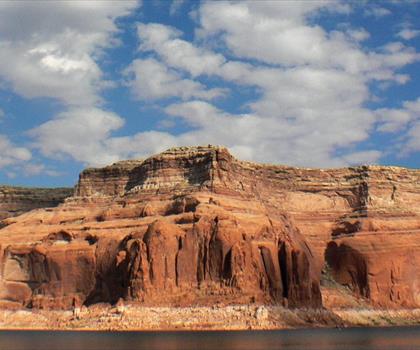
Lake Powell
Southern Utah
Under the Rim Trail
Southern Utah
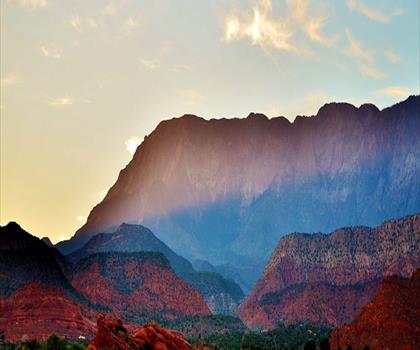
Silver Reef
Southern Utah

Harris Wash
Southern Utah
Hiking near Sydney
22 trails to explore ~7622 km away
We work hard to provide the most up-to-date and error-free data possible. If something seems incorrect, let us know! Your contribution helps the whole community.
Hikers' opinions
Be the first to review!
No hiker has shared their experience yet. Share your impressions and help other hikers!