
🎒 Why Your Backpack Choice Can Make or Break Your Hike
You know what took me 10 years to understand? That the best day hiking backpack isn't necessarily the most expensive or most popular one. It's the one that literally disappears from your shoulders after the first few kilometers. I've dragged unsuitable packs on hundreds of Quebec trails, from Mont Yamaska to the Hautes-Gorges de la Malbaie. Back pain, slipping straps, gear bouncing around everywhere... Not fun at all. Today, I'm going to share the 8 best day hiking backpacks for 2026, field-tested by our team. You'll discover how to choose THE pack that will transform your outdoor adventures.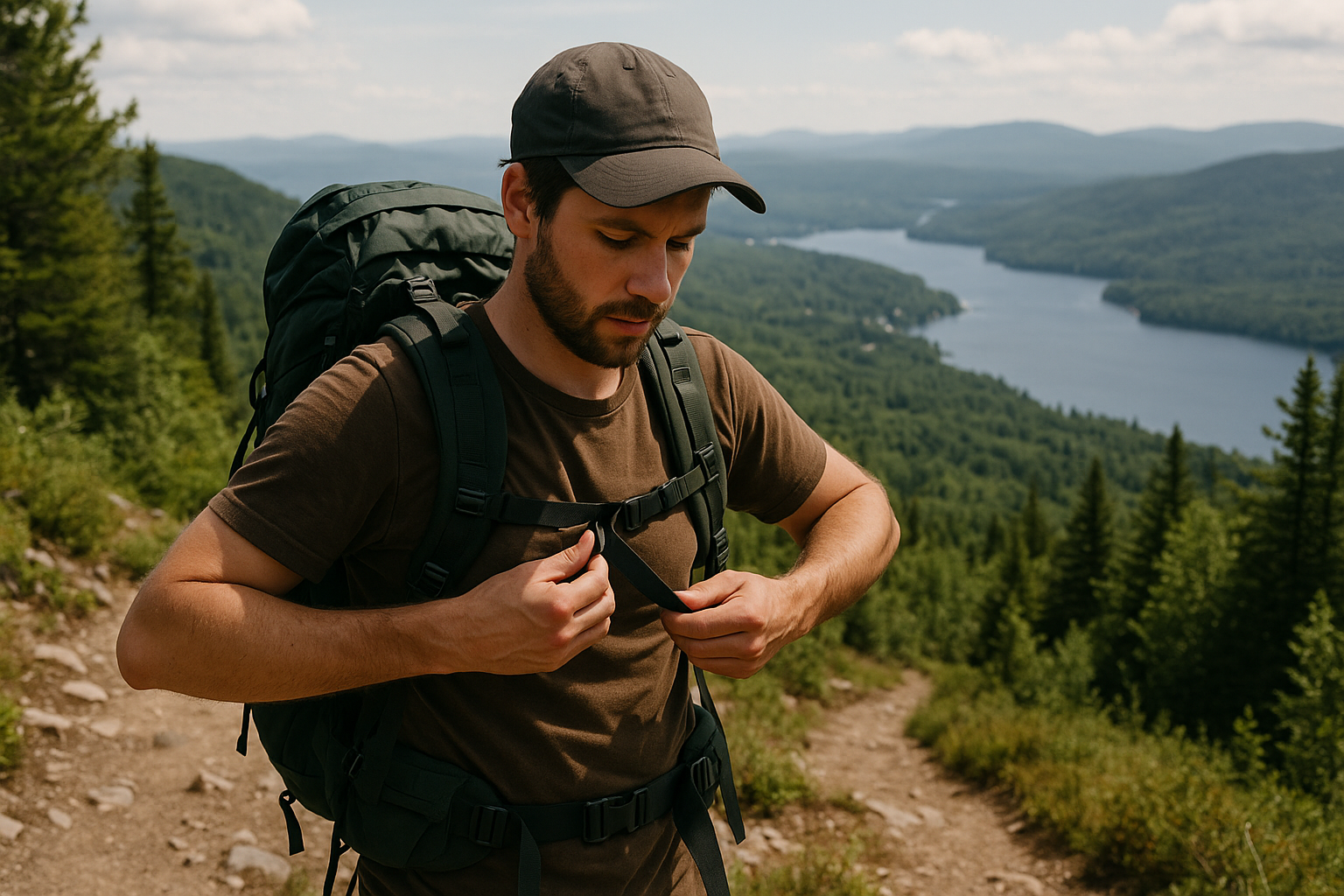
📥 Download our free gifts — Equipment checklists, PDF guides and tips to optimize your hiking pack by season.
Get my gifts →
Get my gifts →
🏔️ The 8 Packs That Survived Our Field Tests
After two complete seasons of testing with our team, here are our favorites. Each pack was tested on a minimum of 15 different outings, in variable weather, on Quebec trails.1. Osprey Talon 22 - The Perfect All-Rounder
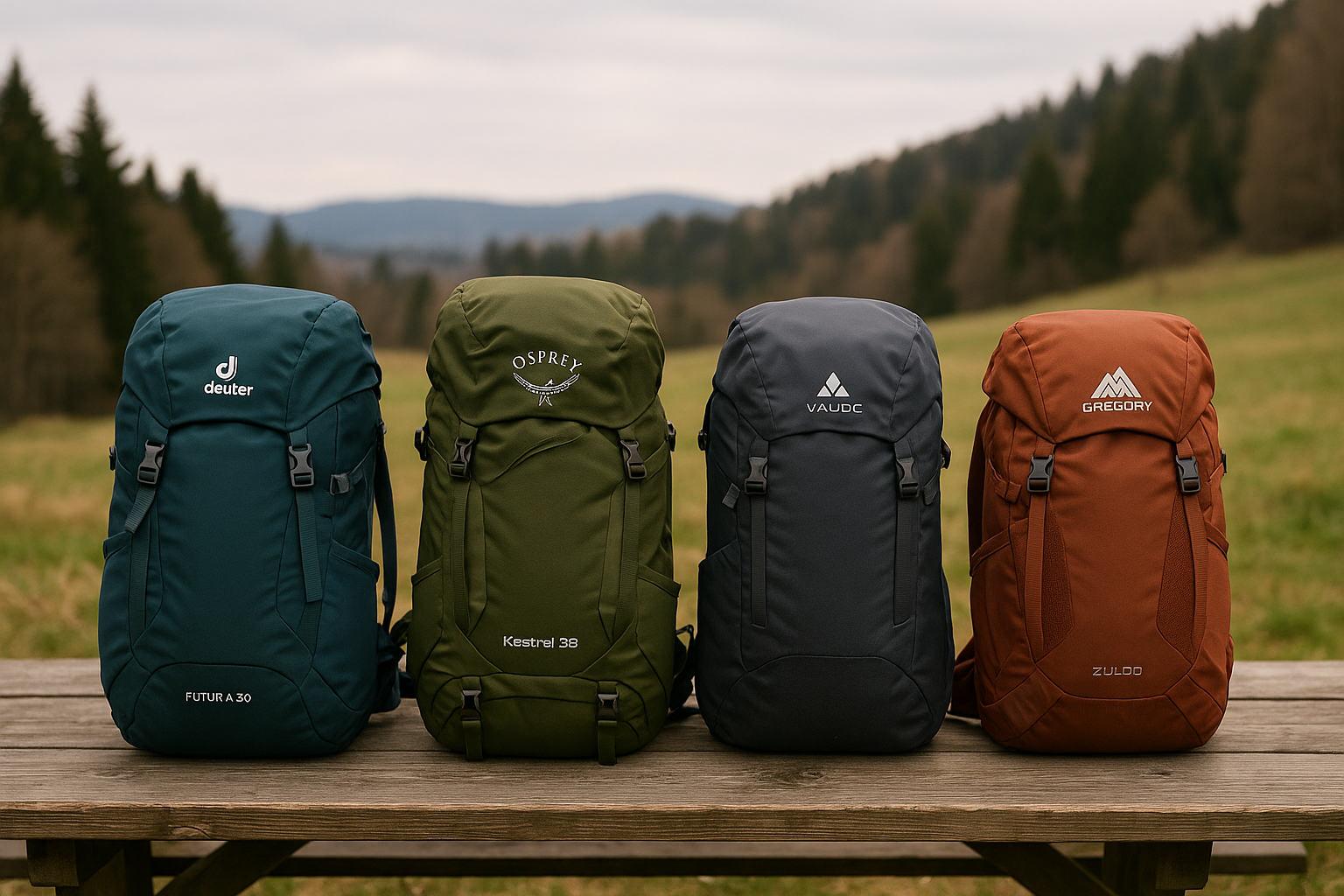
Capacity: 22 liters | Weight: 680g | Price: $140-160 This has been my go-to for 3 years. The Talon 22 excels everywhere: short 2-3 hour outings to full 8+ hour days. Its well-padded hip belt distributes weight like a champ, and the elastic side pockets swallow everything: water bottle, snacks, even your phone.
💡 Pro tip — Trekking poles clip to the sides without tools. Perfect when you alternate between technical sections and easy trails.
Strengths:
2. Deuter Speed Lite 21 - The Robust Ultralight
Capacity: 21 liters | Weight: 550g | Price: $110-130 If you're looking for lightness without compromising comfort, this is your pack. Deuter pulled off a feat: 550g on the scale, but a back panel that stays comfortable even with 8-10kg of gear. I tested it on Mont Arthabaska at -15°C, no problems. Ideal for:3. Gregory Nano 20 - The Urban-Nature Companion
Capacity: 20 liters | Weight: 580g | Price: $95-115 The most versatile design in our selection. You can take it to the office on Monday and to Mont-Royal on the weekend. Its clean lines hide remarkable internal organization.
📌 Good to know — Its front zippered pocket is perfect for keys and wallet. No more desperate searches when returning from a hike!
4. Patagonia Nine Trails 20L - The Eco-Responsible Choice
Capacity: 20 liters | Weight: 570g | Price: $150-170 Made from 100% recycled materials without compromising performance. Patagonia created a pack that breathes adventure and environmental consciousness. Its side compression system is brilliant for adjusting volume according to your needs. Perfect if:| Model | Capacity | Weight | Price | Strength |
|---|---|---|---|---|
| Osprey Talon 22 | 22L | 680g | $140-160 | Versatility |
| Deuter Speed Lite 21 | 21L | 550g | $110-130 | Lightness |
| Gregory Nano 20 | 20L | 580g | $95-115 | Urban-nature |
| Patagonia Nine Trails | 20L | 570g | $150-170 | Eco-responsible |
5. REI Co-op Trail 25 - The Value Champion
Capacity: 25 liters | Weight: 720g | Price: $85-105 The best bang for your buck on our list. REI put the essentials in the right places: comfortable back panel, practical pockets, durable materials. It's not the lightest or fanciest, but it gets the job done without complaint. Ideal for:6. Salomon Trailblazer 20 - The Athletic One
Capacity: 20 liters | Weight: 490g | Price: $120-140 The ultralight for speed demons. If you like to move fast on trails, this is your ally. Its minimalist design hides ergonomics designed for movement. I tested it trail running for 15km, zero bounce.
⚠️ Warning — Its minimalist design means fewer pockets. Not ideal if you like having everything within reach without opening the main compartment.
7. The North Face Borealis - The Tech-Savvy
Capacity: 28 liters | Weight: 1050g | Price: $130-150 The most spacious in our selection. Its FlexVent system and multiple compartments make it an excellent choice for long days or when you need to carry photo/technical gear. A bit heavy, but the comfort compensates. Strengths:8. Black Diamond Speed 22 - The Mountaineer
Capacity: 22 liters | Weight: 610g | Price: $110-130 Designed for light mountaineering and technical hiking. Its climbing gear attachments and robust construction make it the companion for more hardcore adventures. I tested it on rocky scrambles, it handles everything.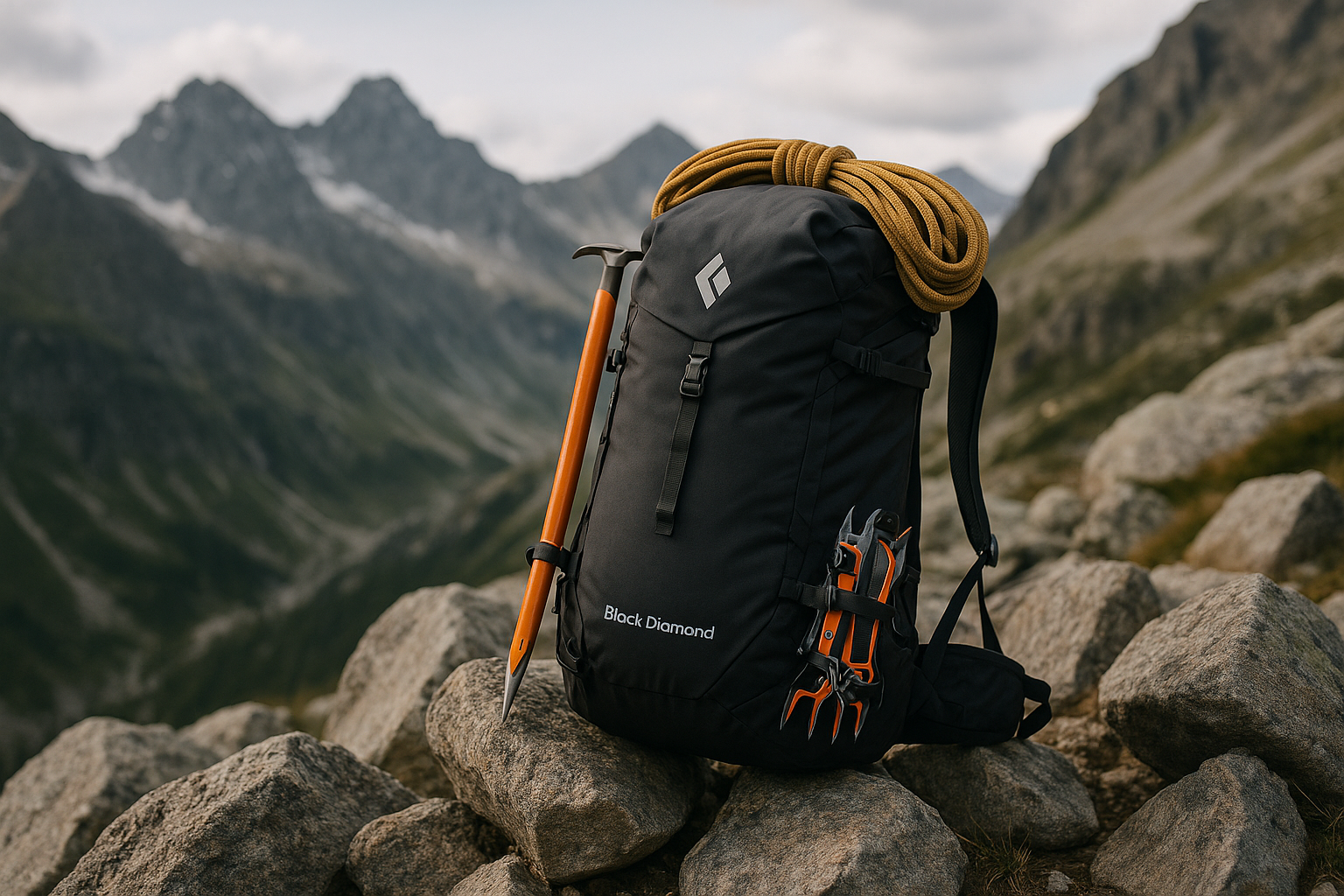
🎯 How to Choose YOUR Perfect Pack Based on Your Needs
Forget the marketing. Here are the 4 criteria that really matter after thousands of kilometers on trails:1. Capacity: More Isn't Always Better
15-20L: 2-4 hour outings, stable weather, minimalists 20-25L: Full days, photo equipment, layering changes 25-30L: Long days, technical gear, winter outings"I've seen too many hikers dragging 35L packs for a 3-hour outing. A big pack encourages you to fill it... and suffer unnecessarily."
2. Carrying System: Your Back Will Thank You
Hip belt: Mandatory for 15kg+. It transfers 80% of the weight to your hips. Shoulder straps: Look for dense padding, not thick. Avoid straps that slip. Ventilated back: Essential in Quebec with our humidity. Look for systems like AirScape (Osprey) or Contact (Deuter).
💡 Pro tip — ALWAYS test a loaded pack in the store. An empty pack tells you nothing about its real behavior. Ask them to put 5-8kg of weight in it.
3. Organization: A Place for Everything
Side pockets: Essential for water bottle and snacks. Elastic is more practical than zippers. Front pocket: Perfect for map, phone, first aid kit. Avoid models without one. Side access: Super practical for grabbing a jacket without unpacking everything. Not essential, but appreciated. External attachments: For trekking poles, sleeping pad, crampons depending on your activities.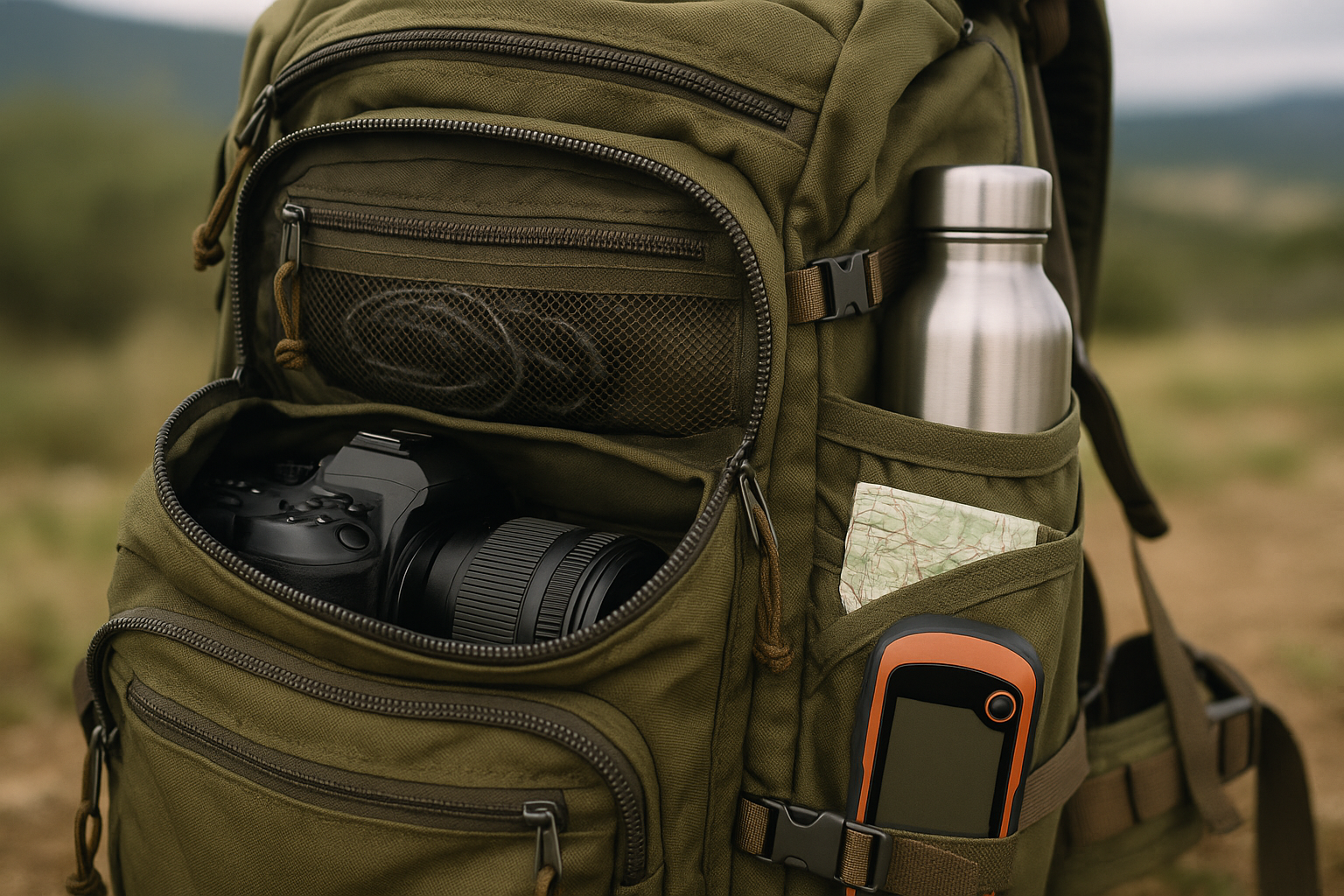
❄️ Specialized Packs: Winter, Photo and Long Distance
Winter Hiking in Quebec
Winter changes the game. You're carrying crampons, extra layers, thermos, sometimes snowshoes. Aim for 25-30L minimum. My winter recommendations:
📌 Good to know — In Quebec winters, prioritize zippers that work with mittens. Avoid fancy small pull tabs.
Photography Hiking
Camera + lenses = weight and protection required. Look for packs with:Long Distance and Fastpacking
For long trails or sections of the Sentier national, you want light AND durable:| Use | Ideal Capacity | Priorities | Recommended Model |
|---|---|---|---|
| Short outings (2-4h) | 15-20L | Lightness, simplicity | Salomon Trailblazer 20 |
| Full days | 20-25L | Comfort, versatility | Osprey Talon 22 |
| Winter hiking | 25-30L | Space, durability | The North Face Borealis |
| Photo/technical | 25-30L | Protection, quick access | Black Diamond Speed 22 |
🔧 Mistakes to Absolutely Avoid
Mistake #1: Buying Without Trying
Every back is different. What works for your buddy might not work for you. Torso/leg proportions, shoulder width, everything matters. I've seen people order online then suffer for months with an unsuitable pack. It's worth going to a store, even if you buy elsewhere afterward.Mistake #2: Ignoring Proper Fit
A poorly fitted pack turns the most beautiful hike into hell. Competent salespeople take 10-15 minutes to fit properly. If someone sells you a pack in 2 minutes, go elsewhere.
⚠️ Warning — Load lifter straps (at the top of shoulder straps) should point slightly downward. If they point upward, your pack is too big or poorly adjusted.
Mistake #3: Neglecting Durability
A hiking pack is a long-term investment. You'll drag it over rocks, through mud, in all weather. Penny-pinching often costs dearly. Look at stress zones: bottom of pack, shoulder strap attachment points, zippers. That's where it breaks first.Mistake #4: Forgetting Your Evolving Needs
If you're starting out, avoid ultra-specialized. Your tastes will evolve. Better a versatile pack that grows with you than a model perfect for your current needs but limiting.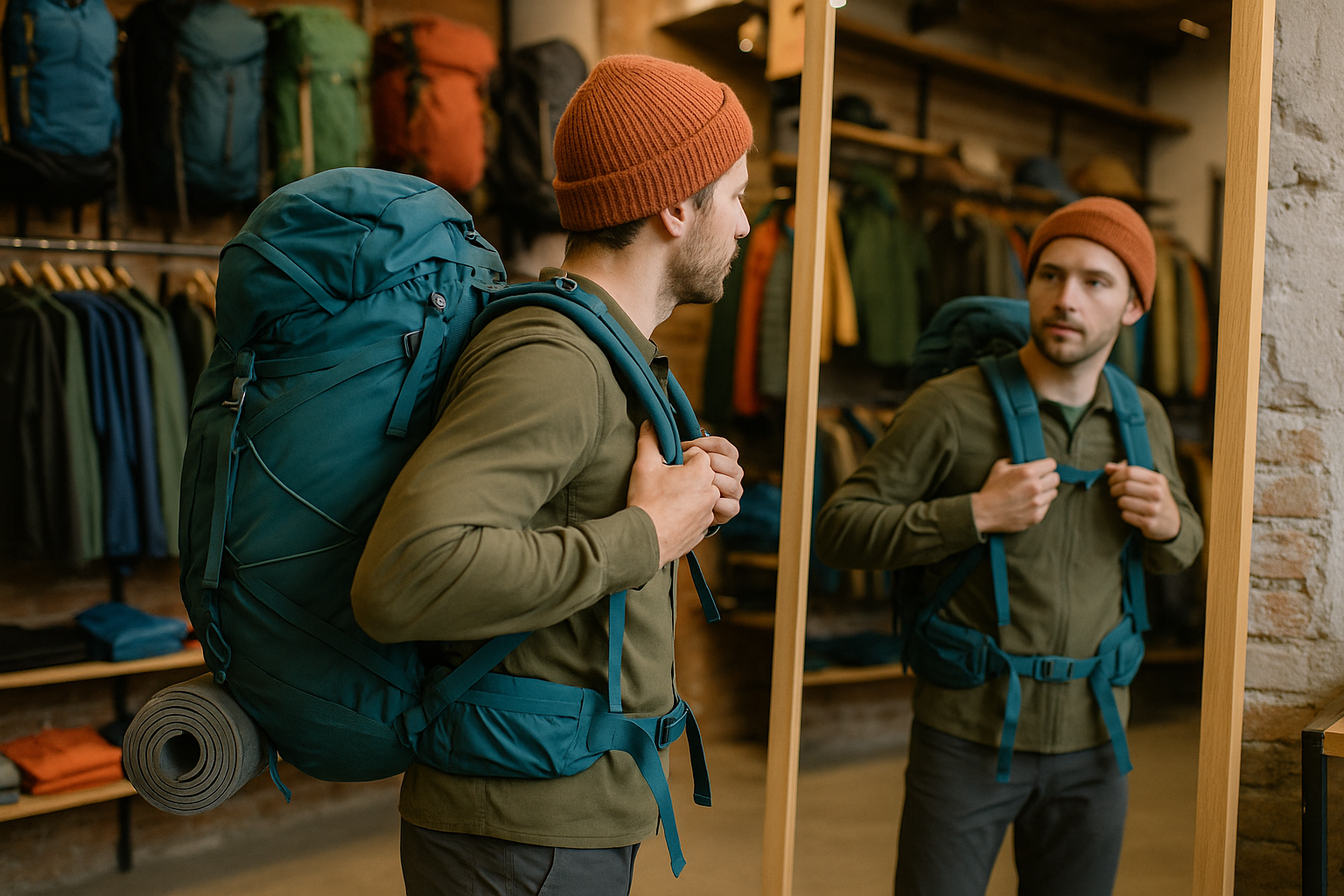
💰 Where to Buy and When to Score Deals
Best Times to Buy
End of season (September-October): Retailers liquidate stock. 20-40% savings. Boxing Day/January: Classic sale period. Limited selection but interesting prices. Spring sales (April-May): Season preparation, good deals on previous year models.Where to Shop in Quebec
Specialty stores:
💡 Pro tip — Many stores offer extended warranties or flexible exchanges. Often worth the few extra dollars vs buying online.
🧪 How to Test Your New Pack (LGPO Protocol)
Here's my protocol to validate a purchase before heading on expedition:Test #1: Urban Walk (1-2h)
Load your pack with 5-6kg and walk around the city. Observe:Test #2: Short Hike (2-3h)
First real outing with elevation gain. Ideal on a trail like Mont Saint-Bruno. Realistic load, observe behavior on varied terrain.Test #3: Full Day
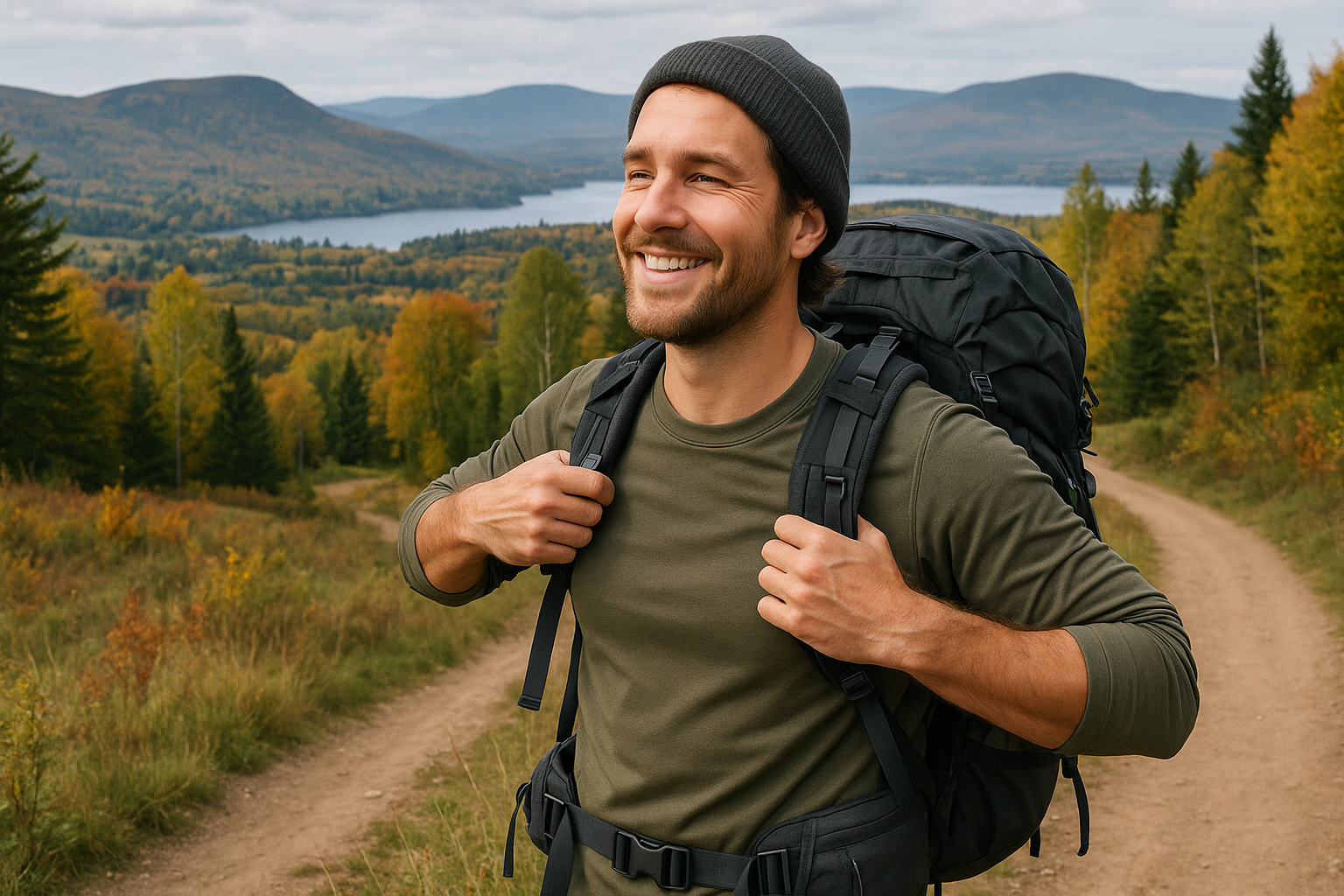
6-8 hours with maximum expected load. If it passes well, you've found your trail companion! Warning signs to watch for:"A good pack, you forget about it after 15 minutes. If you're still thinking about your pack after 1 hour of walking, it's not the right one."
🌟 Maintenance and Longevity: Making Your Investment Last
Cleaning After Each Outing
Basic routine:Deep Cleaning (2-3x per season)
Hand washing: Warm water + mild soap. Never machine wash (destroys waterproof coatings). Drying: Always in shade, fully open. Direct sun degrades technical fabrics.Common Repairs
Sticky zippers: Lubricate with dry soap or candle wax Small tears: Repair patches or quality duct tape Slipping straps: Often a fit problem, not a defect
📌 Good to know — Most manufacturers offer paid repairs. Often cheaper than replacing, and extends pack life by several years.
🎯 Final Verdict: Our 3 Top Picks for 2026
After all these tests, here are my 3 absolute recommendations based on your profile: 🥇 For most people: Osprey Talon 22 The perfect balance of comfort, durability and versatility. Yes, it's $40 more than some competitors, but it'll follow you for years. 🥈 For tight budgets: REI Co-op Trail 25 $85 for a pack that does the essentials very well. Perfect for beginners or as a backup pack. 🥉 For minimalists: Deuter Speed Lite 21 If every gram counts and you travel light, this is your ally. Robust despite its 550g.🏔️ Your Next Step Toward Adventure
Choosing the right pack is like finding a reliable hiking partner: it changes everything. Here are the key points to remember: • Test before buying — every back is unique, your pack must be fitted for YOU • Prioritize comfort over gadgets — a good carrying system beats 10 fancy pockets • Invest in quality — a durable pack costs less long-term than a succession of cheap models • Match capacity to your actual outings — not your Himalayan expedition dreams • Maintenance extends life — a few minutes after each outing saves years of wear The best pack is the one that makes you forget you're carrying anything. The one that makes you want to explore Canyon Sainte-Anne or rediscover the trails around Montreal. So, which will be your companion for the next adventures? The trail awaits, and with the right pack, every step will be a pleasure. Now, get outside and create your own stories! 🥾Newsletter
Content that makes you want to go outside
Every week, a trail idea, a reflection on nature, or a tip worth the detour. Zero spam. Only the essentials.
Joined by 12,000+ outdoor enthusiasts
Read next