Why Sleeping Outdoors Can Turn Into a Nightmare (and How to Avoid It)
I've been spending my nights under the stars for 15 years, and let me tell you one thing: 7 tips for better sleep outdoors is exactly what I would have wanted to know during my first catastrophic night at Gatineau Park. Aching back, chilled to the bone, and the sound of every cracking branch waking me up. Today, after hundreds of nights in forests, in the Rockies, and even on icy summits, I've learned that sleeping well outdoors is 80% preparation and 20% adaptation. And no, you don't need $3,000 worth of equipment to sleep like a king. In the next few minutes, you'll discover the concrete strategies that transform a miserable night into an energetic wake-up facing the mountains.
📥 Download our free gifts — The complete list of all essential camping equipment, organized by season and type of adventure. No more forgotten items!
Get my gifts →
Get my gifts →
Tip #1: Your Sleeping Pad is Your Best Friend (Not Your Sleeping Bag)
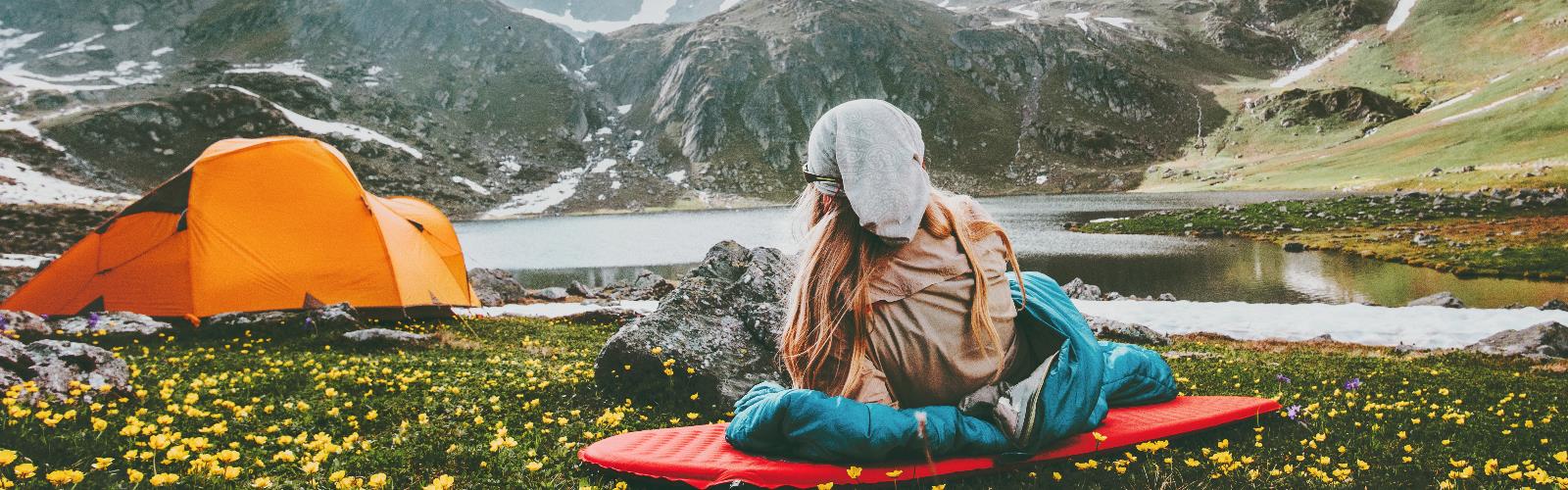
Classic mistake: we invest $400 in a high-end sleeping bag and take the $15 orange foam pad from Canadian Tire. Result? You'll be warm... but your back will hate you. The ground sucks away your body heat 25 times faster than air. I learned this the hard way during a night at -15°C near Mont du Lac des Cygnes. -20°C sleeping bag, but 1 cm foam pad. I've never been so cold in my life.The 3 criteria for a good camping pad:
💡 Pro tip — Test your pad at home before your first trip. Sleep a full night on it in your living room. If you wake up sore, imagine in the mountains!
My current setup? An inflatable pad with R-value of 4.2 and a small piece of foam under the hips. It weighs 600g more, but it's worth every gram for my 40-year-old back.
Tip #2: The Rule of 3 Layers (Even in Your Sleeping Bag)
You think your -10°C sleeping bag will keep you warm at -5°C? Not necessarily. Comfort temperatures are marketing. The real trick is to layer intelligently. Here's my 3-layer technique for sleeping:- Base layer: Merino or synthetic (never cotton!)
- Insulating layer: Your main sleeping bag
- Emergency layer: An emergency blanket or silk liner
⚠️ Warning — Never sleep in your damp hiking clothes. They'll cool your body all night long. Change, even if it's just to put on a dry t-shirt.
Tip #3: The Perfect Spot Exists (and It's Not Where You Think)
"Wow, look at this view! Let's set up the tent here!" Famous last words. I've made this mistake at least 20 times. The perfect Instagram spot often becomes nighttime hell.Perfect campsite checklist:
Ground and drainage:| Location | Advantages | Disadvantages |
|---|---|---|
| Summit/ridge | View, fewer mosquitoes | Strong wind, cold |
| Valley/bottom | Wind protection | Humidity, cold at night |
| Mid-slope | Perfect balance | May be sloped |
| Lakeside | Water available, beautiful | Mosquitoes, humidity |
📌 Good to know — Arrive at your campsite 2 hours before sunset minimum. Setting up a tent in the dark with a headlamp is guaranteed hell.
Tip #4: Master Your Body Temperature Like a Pro
Your body is a furnace that runs 24/7. The trick is to manage this heat intelligently rather than fight it.Before going to bed:
Warm yourself from the inside: A hot drink 30 minutes before bedtime is magic. Herbal tea, hot chocolate, or even just hot water. Avoid alcohol - it dilates your blood vessels and you lose heat. The hot water bottle technique: Fill your water bottle with hot water (not boiling!), wrap it in a cloth, and slip it into your sleeping bag 10 minutes before getting in. Total game changer. Warm your extremities: Cold feet = miserable night. A few jumping jacks before slipping into your bag, and your feet will thank you.During the night:
If you're too hot, open your bag rather than remove layers. You'll be able to cover yourself quickly if the temperature drops. If you're cold, contract and relax your muscles in groups. It activates circulation without fully waking you up."Camping isn't about endurance. It's about intelligence." — A Charlevoix guide who left an impression on me
Tip #5: Ventilation and Humidity - The Invisible Enemies
You breathe out about 400ml of water per night. This humidity must exit your tent, otherwise it condenses on the walls and drips back on you. Result: damp sleeping bag, feeling cold, and a crappy wake-up.How to manage humidity:
Cross ventilation: Slightly open two opposite openings of your tent. Even in cold weather, a small air current evacuates humidity without cooling you down. Avoid breathing into your sleeping bag: I know, it's tempting when it's cold, but you'll create condensation inside. Dry your clothes outside: Your damp clothes in the tent = maximum humidity. Hang them outside, even if they freeze. In the morning, a few shakes and they're dry.
💡 Pro tip — Use a small cloth to wipe morning condensation before it drips. 30 seconds that changes everything for packing a dry tent.
Tip #6: Your Stomach Dictates Your Night (Timing and Food Choices)
Eating anything at any time while camping is the perfect recipe for a restless night. Your digestive system needs predictability, especially when your body is adapting to a new environment.Perfect timing:
Last real meal: 3 hours before bedtime. Your body will spend energy digesting rather than warming you if you eat too late. Light snack 1 hour before: A few nuts, a piece of dark chocolate, or an energy bar. Just enough to avoid nighttime cravings.Foods that promote sleep while camping:
- Complex carbohydrates: Oatmeal, pasta, rice - they release energy gradually
- Light proteins: Nuts, seeds, a little cheese
- Natural magnesium: Almonds, pumpkin seeds
Absolutely avoid:
- Caffeine after 2 PM - it stays in your system 6-8 hours
- Spicy meals - your body will overheat
- Too much water 2 hours before bedtime - bathroom breaks at -5°C, no thanks
📌 Good to know — Always keep a small snack in your tent. Waking up with cravings at 3 AM is horrible. A few dates or an energy bar will do.
Tip #7: Prepare Your Mind (The 4-7-8 Technique)
The biggest enemy of outdoor sleep? Your racing brain. All these new sounds, this feeling of being vulnerable, that little voice saying "what was that noise?!"The last 15 minutes routine:
Turn off all screens 1 hour before bedtime. Your headlamp in red mode only. Blue light destroys your natural melatonin. 4-7-8 breathing technique:Manage nighttime sounds:
Identify normal sounds before nightfall. Listen for 10 minutes to the "symphony" of your campsite: wind in the trees, small animals, distant stream. Your brain will classify these sounds as "safe." Silicone earplugs - not foam ones. They block sudden noises but let important sounds through.
⚠️ Warning — If you hear unusual animal sounds, stay calm but stay alert. 99% of the time, it's a curious raccoon or porcupine. Make noise, they'll leave.
Wake Up Refreshed: The Final Details That Change Everything
Waking up is often the moment of truth. Either you emerge saying "wow, what an incredible night," or you crawl out of your tent cursing camping for the next 10 years.Optimize your wake-up:
Set your alarm 20 minutes before sunrise. You'll witness the world's most free show, and it will energize your day like nothing else. Keep dry clothes for the morning in your sleeping bag. Putting on warm clothes upon waking is psychologically huge. Hydrate gradually. Drink a little water upon waking, but not too much at once. Your body has dehydrated during the night.The secret to a campsite that packs up quickly:
Organize your equipment before going to bed. Everything you need for the morning in one corner of the tent. It avoids searching for your socks in the dark at 6 AM.| Morning Problem | Preventive Solution | Time Saved |
|---|---|---|
| Tent wet with dew | Wipe before packing | 30 min of drying later |
| Scattered equipment | Organization the night before | 15 min of searching |
| Complicated breakfast | Prepare ingredients | 20 min of preparation |
| Damp clothes | Change before sleeping | Immediate comfort |
Your Next Night Under the Stars Will Be Different
There you have it, you now have the 7 tips that transform an ordinary camping night into a memorable experience:- Invest in a good sleeping pad - it's the foundation of everything
- Master the 3-layer system to adapt to any temperature
- Choose your campsite with intelligence rather than with your eyes
- Manage your body temperature proactively
- Control humidity and ventilation in your tent
- Plan your meals and hydration to optimize your sleep
- Prepare your mind with proven relaxation techniques

About the author
François Dumaine
Founder of Let's Go Play Outside
A passionate hiker, photographer and content creator, François has been hiking the trails of Quebec and Alberta since 2014. He founded Let's Go Play Outside to give you the information he wished he had before heading out.
Newsletter
Content that makes you want to go outside
Every week, a trail idea, a reflection on nature, or a tip worth the detour. Zero spam. Only the essentials.
Joined by 12,000+ outdoor enthusiasts
Read next
Continue the journey